
Fleet operations depend on reliable power to keep vehicles and equipment running efficiently. From forklifts and automated guided vehicles (AGVs) to airport ground support equipment and warehouse machinery, choosing the right Industrial Rechargeable Batteries directly affects productivity, operating costs, and equipment lifespan.
The two most common battery technologies used in industrial fleets are lead-acid and lithium-ion. While both have their advantages, the best choice depends on your operational needs, budget, and long-term goals. In this guide, we compare these battery types to help fleet managers make informed decisions. Wiren provides high-performance industrial battery solutions tailored to a wide range of fleet applications.
Fleet equipment often operates for extended hours under demanding conditions. Battery performance influences:
· Equipment uptime
· Charging efficiency
· Maintenance requirements
· Labor costs
· Energy consumption
· Overall return on investment (ROI)
Selecting the right Industrial Rechargeable Batteries helps businesses improve efficiency while reducing operational disruptions.
Lead-acid batteries have been used in industrial applications for decades and remain a popular choice due to their affordability and proven reliability.
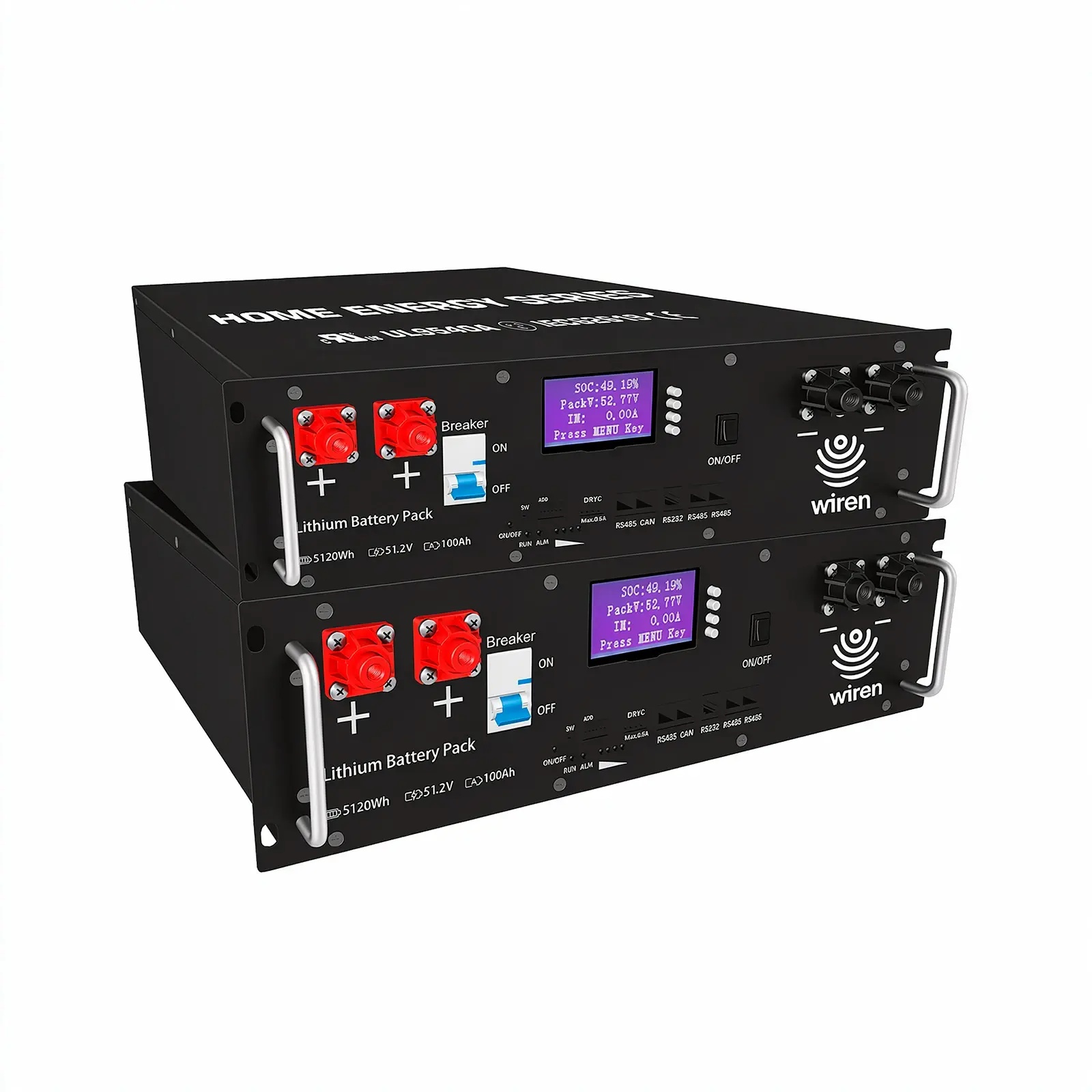
Lead-acid batteries offer several benefits:
· Lower upfront purchase cost
· Mature and well-established technology
· Widely available replacement parts
· Suitable for standard-duty industrial applications
· Highly recyclable materials
For businesses with limited budgets or single-shift operations, lead-acid batteries can be a practical solution.
Despite their affordability, lead-acid batteries have several drawbacks:
They require routine maintenance, including:
· Water refilling
· Terminal cleaning
· Equalization charging
· Ventilation monitoring
Failure to perform maintenance can shorten battery life and reduce performance.
Lead-acid batteries typically require several hours to recharge and additional cooling time before they can be used again.
This may require businesses to purchase spare batteries for continuous operations.
Compared to lithium batteries, lead-acid batteries generally have fewer charging cycles, resulting in more frequent replacements.
Lithium-ion technology has become increasingly popular for industrial fleet applications because of its high efficiency and low maintenance requirements.
Lithium Industrial Rechargeable Batteries provide numerous operational benefits.
Lithium batteries typically deliver significantly more charge-discharge cycles than traditional lead-acid batteries.
Benefits include:
· Longer service life
· Fewer battery replacements
· Lower lifetime operating costs
Lithium batteries support rapid charging, allowing equipment to return to service much sooner.
Fast charging reduces downtime and improves fleet utilization.
Unlike lead-acid batteries, lithium batteries can be charged during short breaks without damaging battery health.
This allows operators to recharge equipment during:
· Lunch breaks
· Shift changes
· Scheduled maintenance
· Idle periods
Opportunity charging minimizes interruptions and eliminates many battery changeovers.
Lithium batteries do not require:
· Water refilling
· Acid level checks
· Equalization charging
This reduces labor costs while simplifying fleet management.
Lithium batteries typically provide higher energy efficiency than lead-acid batteries.
Advantages include:
· Less energy loss during charging
· More usable battery capacity
· Consistent voltage output throughout discharge
· Improved operating efficiency
Lead-acid batteries generally experience greater energy losses and voltage drops during use.
Lithium batteries usually offer higher energy density, meaning they provide more power with less weight and occupy less space.
Lighter battery systems may improve equipment efficiency and simplify installation in certain applications.
Fleet equipment often experiences sudden power demands during:
· Heavy lifting
· Rapid acceleration
· Continuous material handling
Lithium batteries maintain stable voltage under heavy loads, helping equipment operate at peak performance throughout the discharge cycle.
Safety is a critical factor when selecting Industrial Rechargeable Batteries.
Lead-acid batteries require careful handling because they contain sulfuric acid and produce hydrogen gas during charging.
Proper ventilation and maintenance procedures are essential for safe operation.
Modern lithium batteries incorporate advanced Battery Management Systems (BMS) that monitor:
· Voltage
· Current
· Temperature
· Cell balancing
· Charging status
These intelligent systems help protect against:
· Overcharging
· Overheating
· Short circuits
· Excessive discharge
When properly designed and managed, lithium battery systems provide excellent operational safety.
Lead-acid batteries generally cost less upfront, making them attractive for businesses with limited capital budgets.
Lithium batteries require a higher initial investment.
While lithium batteries have a higher purchase price, they often reduce overall operating costs through:
· Longer service life
· Lower maintenance expenses
· Reduced electricity consumption
· Faster charging
· Less equipment downtime
· Fewer replacement batteries
For multi-shift operations, the long-term savings often outweigh the higher initial investment.
Lead-acid batteries are suitable when:
· Initial budget is the primary concern
· Equipment operates in single-shift environments
· Maintenance personnel are readily available
· Downtime has minimal operational impact
Lithium Industrial Rechargeable Batteries are ideal when:
· Equipment operates multiple shifts
· Maximum uptime is essential
· Fast charging is required
· Maintenance costs need to be minimized
· Long-term operating efficiency is a priority
Wiren delivers reliable industrial battery solutions designed for modern fleet operations.
Wiren provides high-performance battery systems that deliver stable power, excellent efficiency, and long service life.
Integrated Battery Management Systems continuously monitor battery performance to ensure safe and reliable operation.
Wiren offers customized battery configurations to meet the unique requirements of warehouses, logistics centers, manufacturing facilities, ports, airports, and construction sites.
From battery selection to installation and after-sales service, Wiren helps customers optimize fleet performance with expert guidance and dependable support.
Choosing between lead-acid and lithium Industrial Rechargeable Batteries depends on your operational priorities. Lead-acid batteries remain a cost-effective option for lighter-duty or single-shift applications, while lithium batteries excel in demanding fleet operations that require fast charging, minimal maintenance, and extended service life.
For businesses seeking greater productivity, lower lifetime costs, and reliable performance, Wiren offers advanced industrial rechargeable battery solutions designed to meet the evolving needs of modern fleet operations. By selecting the right battery technology, companies can maximize equipment uptime, improve operational efficiency, and achieve a stronger return on investment over the long term.
Previous: How to Choose Starlink Mini Power Cable Lengths to Reduce Voltage Drop in Field Installs
Next: Cycle Life, Discharge Rate, and Safety Factors in Industrial Battery Selection
Copyright:@2020-2021

Comments Please sign in or sign up to post.
0
0 of 500 characters used