
Industrial equipment relies on dependable power to maintain productivity and minimize downtime. Whether used in forklifts, automated guided vehicles (AGVs), renewable energy systems, telecommunications, or manufacturing equipment, Industrial Rechargeable Batteries represent a significant investment. Proper maintenance is essential to maximize their performance, extend service life, and reduce the total cost of ownership.
While battery technology has advanced considerably, even the most durable batteries require appropriate care to achieve their full lifespan. Wiren designs high-quality industrial battery solutions that deliver reliable performance, and following proven maintenance practices helps customers get the most from every battery.
Routine maintenance does more than prevent unexpected failures. It also improves operational efficiency and reduces replacement costs.
Proper maintenance helps:
· Extend battery cycle life
· Improve charging efficiency
· Maintain consistent power output
· Reduce equipment downtime
· Enhance workplace safety
· Lower long-term operating expenses
Neglecting maintenance can lead to reduced battery capacity, shortened lifespan, and costly interruptions to daily operations.
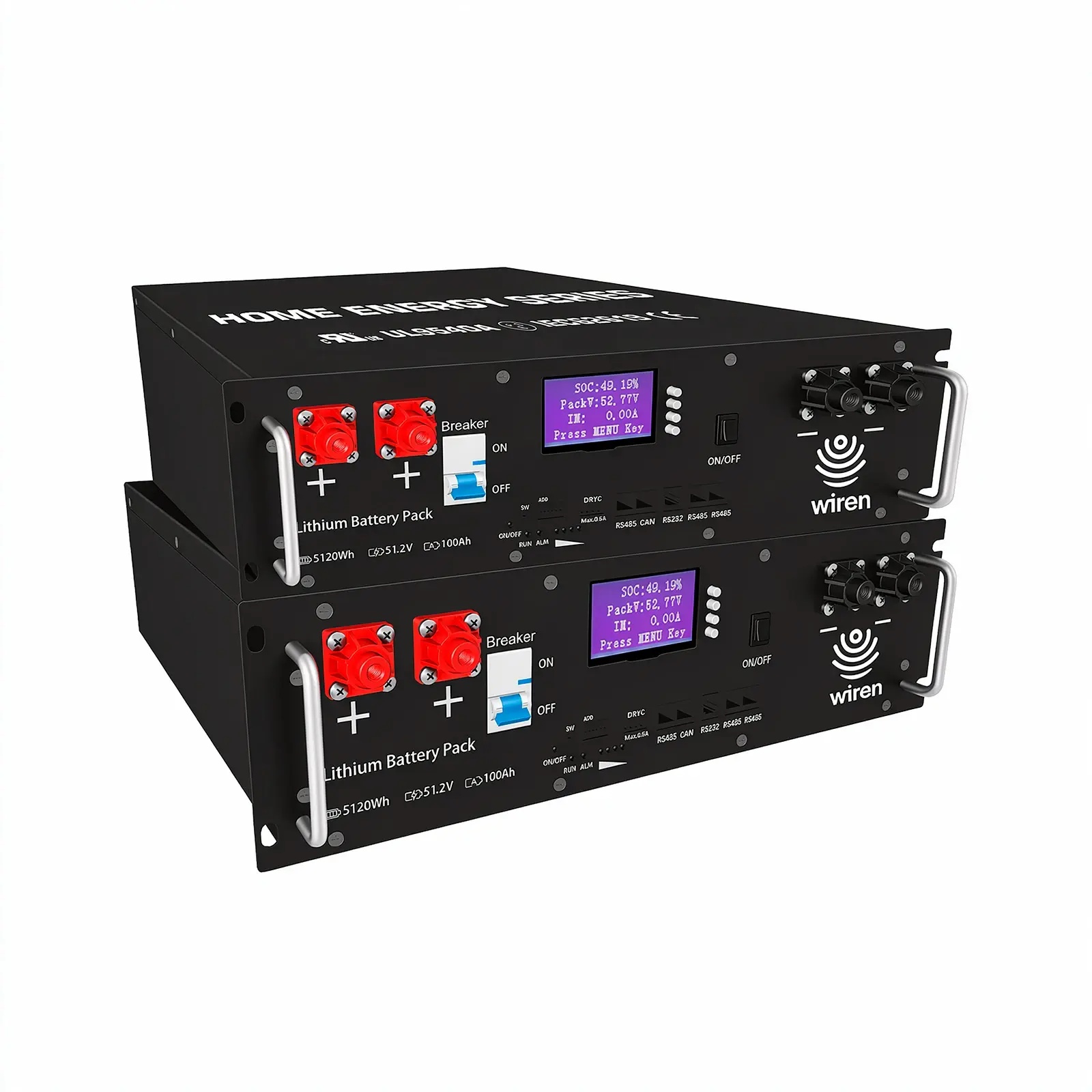
Different battery chemistries require different maintenance approaches.
Lead-acid Industrial Rechargeable Batteries require regular maintenance to ensure optimal performance.
Typical maintenance tasks include:
· Checking electrolyte levels
· Adding distilled water when necessary
· Cleaning battery terminals
· Inspecting cables and connectors
· Performing equalization charging
Failure to perform these tasks may reduce battery efficiency and accelerate wear.
Lithium-ion batteries require significantly less maintenance.
Advantages include:
· No water refilling
· No equalization charging
· Minimal terminal maintenance
· Intelligent Battery Management System (BMS)
Although maintenance requirements are lower, regular inspections are still recommended to ensure safe and reliable operation.
Charging habits have a major impact on battery lifespan.
Always use chargers designed for the specific battery chemistry and voltage.
Compatible charging systems help:
· Prevent overcharging
· Improve charging efficiency
· Reduce heat generation
· Protect battery cells
Using incorrect chargers may damage the battery and shorten its service life.
Excessive charging creates unnecessary heat and stresses battery components.
Modern charging systems automatically stop charging when the battery reaches full capacity, helping protect Industrial Rechargeable Batteries from premature aging.
Frequently allowing batteries to discharge completely can reduce their cycle life.
Whenever possible:
· Recharge batteries before reaching extremely low charge levels.
· Follow the manufacturer's recommended depth of discharge (DoD).
· Monitor battery state of charge regularly.
These practices help preserve battery capacity over time.
Temperature plays a critical role in battery health.
Excessive heat can:
· Accelerate battery aging
· Reduce charging efficiency
· Increase internal resistance
· Shorten overall battery life
Proper ventilation and climate control help minimize heat-related damage.
Low temperatures may temporarily reduce battery capacity and charging performance.
For cold environments:
· Allow batteries to warm before charging when recommended.
· Store batteries within the manufacturer's specified temperature range.
· Use battery systems designed for low-temperature operation when necessary.
Maintaining appropriate operating temperatures helps maximize battery performance.
Routine inspections can identify minor issues before they become costly failures.
Loose or damaged connections may result in:
· Voltage loss
· Increased resistance
· Excessive heat
· Reduced equipment performance
Inspect terminals, cables, and connectors regularly for signs of wear or corrosion.
Examine battery cases for:
· Cracks
· Swelling
· Leaks
· Physical damage
Any visible damage should be addressed immediately to maintain safe operation.
Track important performance indicators such as:
· Charging time
· Operating duration
· Voltage stability
· Capacity retention
Unexpected changes may indicate that maintenance or replacement is required.
Clean batteries operate more efficiently and safely.
Dust, dirt, grease, and moisture can accumulate on battery surfaces over time.
Regular cleaning helps:
· Prevent electrical leakage
· Improve heat dissipation
· Reduce corrosion
· Maintain reliable electrical connections
Use appropriate cleaning methods recommended by the battery manufacturer.
Not all batteries remain in continuous operation. Proper storage is equally important.
Long-term storage at extremely high or low charge levels may affect battery health.
Follow manufacturer guidelines regarding storage charge levels.
Store batteries in:
· Dry environments
· Well-ventilated areas
· Moderate temperatures
· Locations protected from direct sunlight
Proper storage minimizes self-discharge and preserves battery performance.
Many modern lithium Industrial Rechargeable Batteries include an advanced Battery Management System (BMS).
A BMS continuously monitors:
· Voltage
· Current
· Temperature
· Cell balancing
· State of charge
This intelligent system helps prevent:
· Overcharging
· Excessive discharge
· Short circuits
· Thermal overload
Battery management technology significantly improves both safety and service life.
Proper handling is essential for battery longevity.
Training should include:
Operators should understand:
· Correct charging schedules
· Charger compatibility
· Charging safety protocols
Simple daily inspections help identify:
· Loose connections
· Physical damage
· Warning indicators
· Abnormal battery behavior
Educated personnel can detect problems early and reduce maintenance costs.
Preventive maintenance is more cost-effective than emergency repairs.
A maintenance schedule may include:
· Weekly visual inspections
· Monthly terminal cleaning
· Periodic performance testing
· Charger inspections
· Battery health assessments
Documenting maintenance activities also helps identify long-term performance trends.
Wiren develops advanced industrial battery solutions designed for long service life and dependable performance.
Wiren batteries are manufactured using premium materials and advanced production processes to ensure exceptional durability.
Integrated Battery Management Systems optimize charging, improve safety, and extend battery lifespan.
Wiren batteries deliver stable power across demanding applications, including logistics, manufacturing, construction, energy storage, and material handling.
Wiren provides expert guidance on battery selection, maintenance, charging systems, and operational best practices to help customers maximize battery performance.
Proper maintenance is one of the most effective ways to extend the lifespan of Industrial Rechargeable Batteries. By following recommended charging practices, monitoring temperature, performing routine inspections, maintaining clean connections, and utilizing intelligent battery management systems, businesses can significantly improve battery performance while reducing operating costs.
With advanced engineering, reliable performance, and comprehensive technical support, Wiren helps industrial customers maximize the value of their battery investments. Implementing proactive maintenance practices today ensures longer battery life, greater equipment reliability, and improved productivity for years to come.
Previous: How Procurement Teams Evaluate Starlink Mini Power Supplies for Surge and Overcurrent Protection
Next: How to Set Up a Home Oxygen Concentrator Safely for COPD Patients
Copyright:@2020-2021

Comments Please sign in or sign up to post.
0
0 of 500 characters used