
Reliable connectivity depends on more than just the Starlink Mini terminal itself. The quality of Starlink Mini Power Cables plays a crucial role in ensuring stable power delivery, especially in RVs, camper vans, boats, construction sites, and off-grid installations. Poor-quality cables can lead to unexpected downtime, reduced performance, and costly replacements.
Professional buyers understand that identifying common cable failure modes before purchasing helps reduce maintenance costs and improve long-term reliability. Instead of focusing only on price, they evaluate cable materials, conductor size, connector quality, and environmental protection. Astarkits designs premium Starlink Mini Power Cables with durability and dependable performance in mind, helping users avoid many of the most common cable-related problems.
Power cables operate in demanding environments where they are exposed to continuous vibration, moisture, sunlight, temperature changes, and repeated handling. Over time, these conditions can cause cable deterioration if the product is not built to withstand them.
Understanding the most common failure modes allows buyers to choose cables that offer better durability and lower total ownership costs.
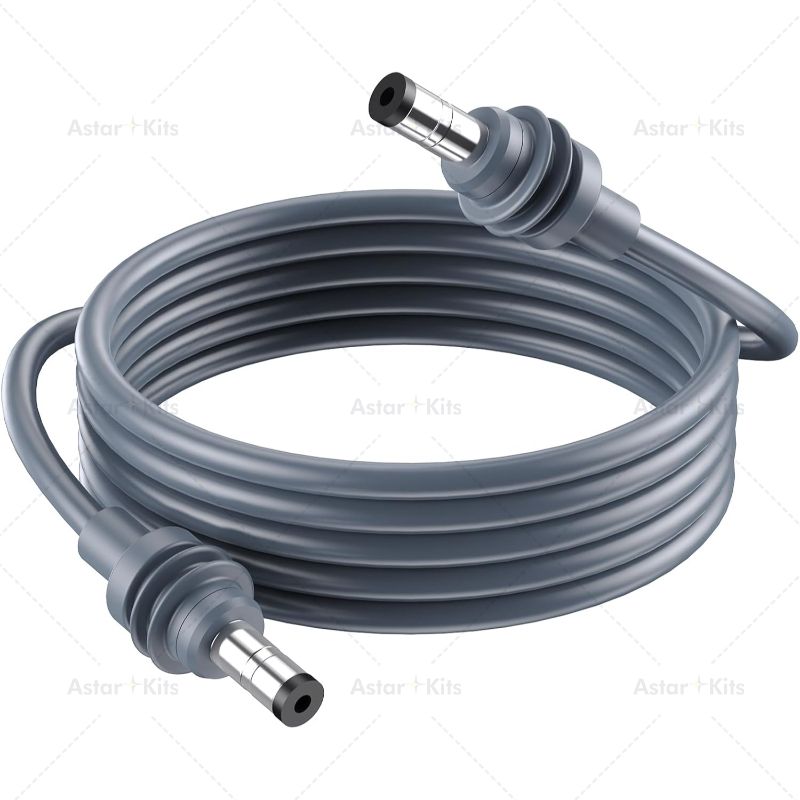
Voltage drop occurs when electrical resistance causes power loss as electricity travels through the cable. Long cable runs and undersized conductors increase resistance, reducing the voltage delivered to the Starlink Mini.
Possible symptoms include:
· Slow startup
· Random system reboots
· Intermittent power interruptions
· Reduced operating stability
Experienced buyers select Starlink Mini Power Cables with:
· 18 AWG or 20 AWG conductors
· Pure copper wiring
· Appropriate cable lengths
· Low-resistance construction
Using the shortest practical cable helps minimize unnecessary voltage loss.
Repeated bending, twisting, and pulling can eventually break the copper conductors inside the cable, even when the outer jacket appears undamaged.
This is common in:
· RV installations
· Marine applications
· Portable workstations
· Frequently moved equipment
Internal conductor damage often causes intermittent power failures that can be difficult to diagnose.
Professional buyers look for cables featuring:
· Flexible insulation
· Reinforced strain relief
· High bend-cycle durability
· Quality manufacturing standards
These features reduce mechanical stress during everyday use.
Connectors experience constant insertion, removal, and vibration. Over time, poor-quality connectors may become loose or develop increased electrical resistance.
Common issues include:
· Loose connections
· Unstable power delivery
· Connector overheating
· Unexpected disconnects
Quality Starlink Mini Power Cables typically include:
· Precision-fit connectors
· Gold-plated contacts
· Strong connector housings
· Reinforced connector attachment points
These improvements help maintain consistent electrical contact over thousands of connection cycles.
Outdoor installations expose cables to:
· Rain
· Snow
· Humidity
· Condensation
· Saltwater spray
If moisture enters the cable or connector, corrosion can develop, reducing conductivity and increasing electrical resistance.
Buyers operating outdoors prefer cables with:
· Weather-resistant connectors
· Waterproof sealing
· Durable outer jackets
· Corrosion-resistant materials
These features significantly improve cable longevity in harsh environments.
Continuous exposure to sunlight causes standard cable jackets to become brittle over time.
Typical signs include:
· Surface cracking
· Fading
· Reduced flexibility
· Insulation failure
Once the protective jacket deteriorates, the internal conductors become vulnerable to environmental damage.
For rooftop or outdoor installations, buyers choose cables with:
· UV-resistant insulation
· Outdoor-rated materials
· High-quality polymer jackets
These materials extend cable life even under prolonged sunlight exposure.
Excessive electrical resistance can generate unwanted heat inside the cable.
Contributing factors include:
· Thin conductors
· Poor-quality copper
· Loose connectors
· Excessive current load
Overheating may shorten cable lifespan and reduce system reliability.
Professional installers prefer cables that use:
· Pure copper conductors
· Appropriate wire gauge
· Secure connectors
· Quality insulation materials
Lower resistance improves electrical efficiency while reducing heat generation.
Power cables routed through vehicles or outdoor structures often contact sharp edges or rough surfaces.
Common hazards include:
· Metal brackets
· Roof racks
· Vehicle doors
· Equipment compartments
Over time, abrasion can wear through the cable jacket.
Durable Starlink Mini Power Cables often feature:
· Thick outer insulation
· Abrasion-resistant jackets
· Flexible routing characteristics
· Reinforced construction
Proper cable management and protective conduit further reduce wear.
Marine environments and humid climates accelerate corrosion on exposed metal contacts.
Corroded connectors may result in:
· Increased electrical resistance
· Poor conductivity
· Unstable operation
· Connector failure
Buyers frequently select cables with:
· Gold-plated contacts
· Corrosion-resistant connector materials
· Weatherproof connector housings
Regular inspection also helps identify corrosion before it becomes a serious problem.
Professional buyers evaluate more than individual failure modes. They also compare overall construction quality.
Pure copper offers:
· Excellent conductivity
· Lower resistance
· Better flexibility
· Longer service life
Choosing the shortest practical cable helps reduce voltage drop while maintaining installation flexibility.
Extra reinforcement near connectors protects against repeated bending and pulling.
Consistent manufacturing standards improve cable reliability and reduce the likelihood of premature failure.
Astarkits develops premium Starlink Mini Power Cables specifically for demanding outdoor and mobile applications. Every cable is engineered to withstand challenging operating conditions while providing stable and efficient power delivery.
Key features include:
· Pure copper conductors
· Low-resistance cable design
· Precision-fit connectors
· Reinforced strain relief
· UV-resistant insulation
· Weather-resistant construction
· Excellent flexibility for field installations
· Reliable performance in RV, marine, camping, and off-grid environments
These features help minimize common failure modes while extending the service life of both the cable and the connected Starlink Mini system.
Understanding common failure modes is essential when selecting Starlink Mini Power Cables. Problems such as voltage drop, broken conductors, connector wear, moisture intrusion, UV damage, overheating, abrasion, and corrosion can all affect system performance if low-quality cables are used.
By choosing premium products with pure copper conductors, proper wire gauge, durable insulation, weather-resistant connectors, and reinforced construction, buyers can significantly reduce maintenance requirements and improve long-term reliability. Astarkits provides high-quality Starlink Mini Power Cables that are designed to perform consistently in demanding indoor, outdoor, and mobile environments, making them an excellent choice for users who depend on reliable satellite connectivity.
Previous: How PUR for Flat Lamination Solves the Bond Strength and Heat Resistance Challenge
Next: What Cable Gauge and Connector Specs Buyers Look for in Starlink Mini Power Cables
Copyright:@2020-2021

Comments Please sign in or sign up to post.
0
0 of 500 characters used