
Selecting the right pipe fitting material is essential for ensuring the safety, efficiency, and longevity of any piping system. While both ductile iron and malleable iron fittings are widely used across various industries, they are designed to meet different performance requirements. In applications involving high pressure, heavy loads, and demanding environmental conditions, ductile iron often delivers superior results.
As a leading ductile iron pipe fittings manufacturer, HuLu provides durable, high-performance fittings that meet the needs of municipal infrastructure, industrial facilities, and large-scale utility projects. This article explores the application scenarios where ductile iron pipe fittings outperform malleable iron alternatives and explains why they are the preferred choice for critical piping systems.
Although both materials are iron-based, their manufacturing processes and mechanical properties differ significantly.
Ductile iron is produced by adding magnesium during the casting process, causing graphite to form spherical nodules instead of flakes. This unique microstructure gives the material exceptional strength, flexibility, and toughness.
Key characteristics include:
· High tensile strength
· Excellent yield strength
· Superior impact resistance
· Outstanding fatigue performance
· Excellent pressure-bearing capacity
An experienced ductile iron pipe fittings manufacturer ensures these properties are maintained through strict quality control and advanced manufacturing techniques.
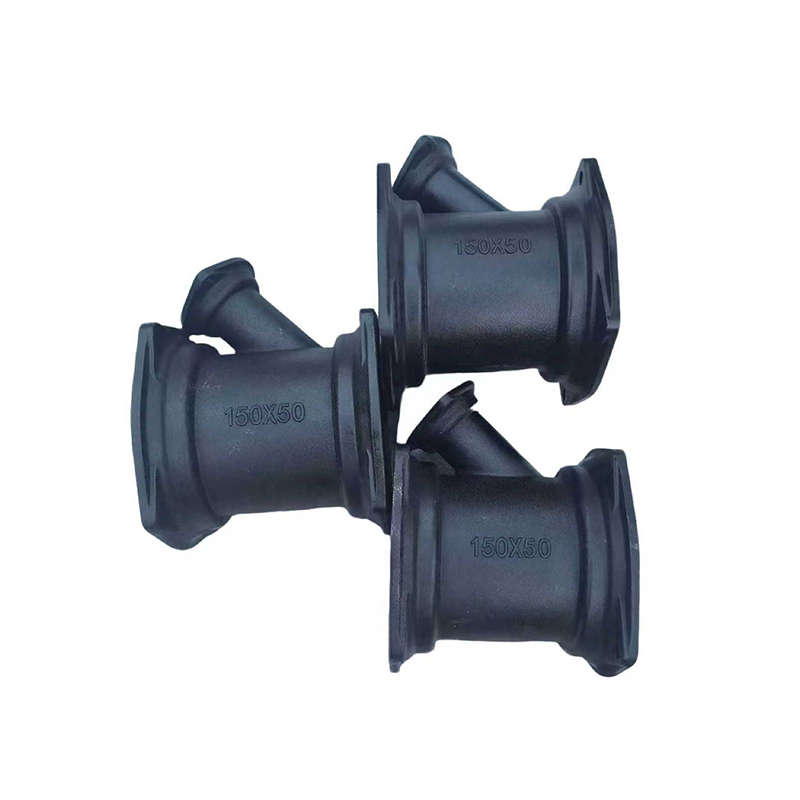
Malleable iron is created by heat-treating white cast iron to improve ductility and machinability. It performs well in threaded piping systems used for moderate-pressure applications, including commercial plumbing, gas lines, and HVAC installations.
While malleable iron offers reliable performance, it is generally not designed for the demanding conditions where ductile iron excels.
One of the most common applications for ductile iron fittings is municipal water infrastructure.
Water transmission systems often operate under significant pressure, especially in urban networks and pumping stations.
Ductile iron offers:
· Higher pressure ratings
· Greater structural stability
· Excellent resistance to pressure fluctuations
· Long-term dimensional integrity
These advantages reduce the likelihood of leaks and system failures.
Municipal infrastructure is expected to operate for decades with minimal maintenance.
Ductile iron fittings provide:
· Outstanding durability
· Excellent fatigue resistance
· Low maintenance requirements
· Reliable long-term performance
This makes them a cost-effective solution despite a higher initial investment.
Buried pipelines experience constant external forces that require materials with superior mechanical properties.
Underground pipelines are affected by:
· Soil expansion
· Ground settlement
· Vehicle traffic loads
· Seismic activity
Compared with malleable iron, ductile iron better absorbs these stresses without cracking or permanent deformation.
The nodular graphite structure allows ductile iron to withstand sudden impacts during installation and long-term operation, reducing the risk of structural failure.
Gas distribution systems require fittings capable of maintaining safe, leak-free performance under continuous pressure.
As a trusted ductile iron pipe fittings manufacturer, HuLu produces fittings designed to perform under demanding gas transmission conditions.
Benefits include:
· Superior mechanical strength
· Excellent crack resistance
· Stable sealing performance
· High resistance to vibration
These qualities enhance the overall safety of gas distribution systems.
Gas networks frequently experience changes in operating pressure.
Ductile iron accommodates these fluctuations more effectively than malleable iron, reducing material fatigue and extending service life.
Industrial plants often expose piping systems to harsh operating conditions.
Manufacturing facilities may subject pipelines to:
· Continuous vibration
· Heavy equipment movement
· Thermal expansion
· High operating pressures
Ductile iron's superior strength helps maintain reliable system performance even under these demanding conditions.
Industrial facilities often require larger pipe diameters that generate greater mechanical stresses.
Ductile iron's higher load-bearing capacity makes it better suited for these installations than malleable iron.
Fire protection systems demand dependable performance when needed most.
Ductile iron fittings provide:
· Excellent pressure resistance
· Stable joint performance
· Strong mechanical integrity
· Long-term durability
These characteristics help ensure reliable water delivery during emergency situations.
Although malleable iron fittings are commonly used in smaller fire sprinkler systems, ductile iron is often preferred for larger municipal fire water networks.
Wastewater infrastructure presents additional challenges due to moisture, chemicals, and varying operating pressures.
Ductile iron performs exceptionally well because it offers:
· High impact resistance
· Excellent fatigue strength
· Superior load-bearing capacity
· Reliable long-term operation
When combined with protective coatings, ductile iron fittings can withstand aggressive underground environments for many years.
Water treatment facilities rely on components capable of handling demanding hydraulic conditions.
Rapid valve closures and pump startups can generate water hammer, producing sudden pressure spikes.
Ductile iron effectively absorbs these transient forces due to its:
· High tensile strength
· Excellent ductility
· Superior fatigue resistance
This reduces the risk of pipeline damage.
Pipelines installed near coastal environments face additional corrosion risks and mechanical stress.
A professional ductile iron pipe fittings manufacturer offers multiple corrosion protection options, including:
· Fusion-bonded epoxy coatings
· Zinc coatings
· Bituminous coatings
· Polyurethane finishes
These coatings help extend service life in harsh marine environments.
Ductile iron is the preferred choice for:
· Municipal water transmission
· Underground utility pipelines
· High-pressure gas networks
· Industrial processing plants
· Water treatment facilities
· Wastewater systems
· Pumping stations
· Large infrastructure projects
Malleable iron remains an excellent solution for:
· Residential plumbing
· Commercial buildings
· HVAC systems
· Threaded gas piping
· Compressed air systems
· Light industrial applications
Choosing the appropriate material ensures both performance and cost efficiency.
Partnering with an experienced supplier is essential for achieving long-term pipeline reliability.
HuLu manufactures a complete selection of ductile iron fittings, including:
· Elbows
· Tees
· Reducers
· Flanged fittings
· Couplings
· Adaptors
· End caps
· Cross fittings
These products are available in various sizes and pressure classes to meet international project requirements.
HuLu utilizes modern casting and machining processes to ensure:
· High dimensional accuracy
· Excellent mechanical strength
· Reliable pressure performance
· Consistent product quality
Each fitting undergoes comprehensive inspections, including:
· Pressure testing
· Dimensional verification
· Material analysis
· Coating inspection
· Surface quality evaluation
This commitment to quality ensures dependable performance across demanding applications.
While both malleable iron and ductile iron pipe fittings play valuable roles in modern piping systems, ductile iron consistently outperforms malleable iron in high-pressure, high-impact, and heavy-duty applications. Its exceptional strength, superior ductility, excellent fatigue resistance, and outstanding structural reliability make it the preferred material for municipal water systems, gas distribution networks, industrial facilities, wastewater infrastructure, and underground utility projects.
As a trusted ductile iron pipe fittings manufacturer, HuLu delivers high-quality fittings engineered to meet the challenges of today's most demanding piping applications. By selecting ductile iron for critical infrastructure projects, engineers, contractors, and distributors can achieve greater system reliability, lower maintenance costs, and a longer operational lifespan.
Copyright:@2020-2021

Comments Please sign in or sign up to post.
0
0 of 500 characters used