
In construction and municipal engineering, harsh soil conditions can present significant challenges, including soil corrosion, shifting terrain, and environmental stressors. These issues often lead to pipeline failures, increased maintenance costs, and infrastructure downtime. Enter the ductile iron pipe, a pivotal solution designed to address these pain points. Unlike other materials, ductile iron pipe offers remarkable tensile strength, resistance to corrosion, and longevity, making it ideal for environments plagued with harsh soil conditions. In this article, we will explore the factual reasons why ductile iron pipe is the preferred choice for underground utilities and municipal applications.
The advantages of ductile iron pipe for harsh soil conditions are manifold and supported by data. For instance, it demonstrates a tensile strength of approximately 60,000 psi, making it significantly stronger than traditional cast iron (approximately 25,000 psi) and PVC pipes, which have lower impact resistance. This remarkable strength ensures that ductile iron pipes can withstand the lateral earth pressures prevalent in unstable or expansive soils.
Additionally, ductile iron pipes are coated with protective layers, such as epoxy or polyethylene, which enhance their corrosion resistance—proving advantageous in corrosive soil environments. According to the American Water Works Association, corrosion can decrease the lifespan of unprotected metal pipes by up to 40%. However, ductile iron pipes can last upwards of 100 years when adequately coated and maintained, thus reducing long-term costs associated with replacements and repairs.
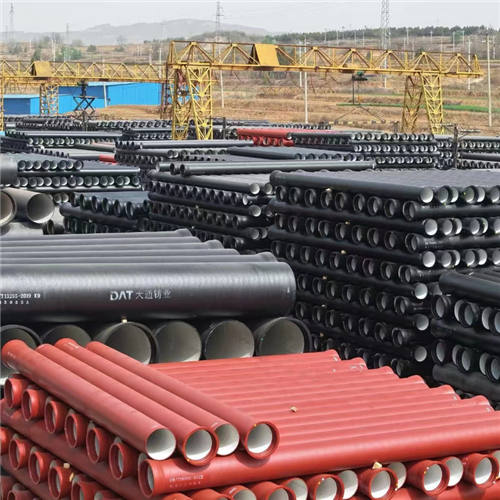
When comparing ductile iron pipe with other materials such as PVC or traditional steel, the difference is striking:
Ductile Iron Pipe vs. PVC: PVC pipes, while lightweight and easy to install, lack the robustness to withstand heavy loads and are significantly prone to cracking under stress. The failure rates for PVC pipes due to soil movement are noted to be around 15%, compared to less than 2% for ductile iron pipes.
Ductile Iron Pipe vs. Steel: While steel pipes also offer excellent strength, they are heavily susceptible to corrosion without appropriate treatment, often resulting in increased maintenance costs over time. Research shows that galvanized steel pipes lose 27% of their wall thickness within an 8-year period in acidic soils, whereas ductile iron retains its thickness and integrity.
The value proposition of ductile iron pipe in harsh soil conditions is clear. With a combination of impressive tensile strength, exceptional corrosion resistance, and a lifespan of over 100 years, this pipe type addresses significant challenges faced by municipalities and construction projects in adverse environments. Ductile iron pipe not only minimizes potential infrastructure damage but also reduces overall lifecycle costs, securing it as the optimal choice for underground utility installations.
If you’re exploring robust solutions for your infrastructure needs, consider the ductile iron pipe from Datong. With outstanding performance in harsh soil conditions and a long-lasting lifecycle, our pipes can help you build a resilient and sustainable infrastructure. For further information or trial usage, connect with Datong today.
Previous: Ti/Al Ratio in TiAl Alloy Targets: How Composition Affects Hardness and Oxidation Resistance
Next: Steel Wire Rope Solutions for Extreme Temperature Environments
Copyright:@2020-2021

Comments Please sign in or sign up to post.
0
0 of 500 characters used