
Yarn shrinkage is one of the most critical quality concerns in knitwear manufacturing. Excessive shrinkage can lead to inconsistent sizing, poor garment fit, customer complaints, and costly product returns. For fashion brands and apparel wholesalers sourcing from a reliable Women's Knit Crewneck Sweater Supplier, understanding how manufacturers control yarn shrinkage is essential to ensuring consistent product quality.
Professional manufacturers implement strict quality control measures throughout the production process—from yarn selection to final finishing—to minimize shrinkage and maintain dimensional stability. Zefeng Sweater Factory follows advanced production standards and quality management systems to help global apparel brands receive premium knit sweaters that retain their shape and fit after repeated washing.
Shrinkage occurs when yarn fibers relax after exposure to water, heat, or mechanical agitation. During spinning and knitting, yarns are placed under tension. Once washed, these fibers naturally return toward their original state, causing the fabric to contract.
The amount of shrinkage depends on several factors, including:
· Fiber type
· Yarn construction
· Knitting density
· Dyeing process
· Washing method
· Finishing techniques
Proper control of these variables is the key to producing high-quality knitwear.
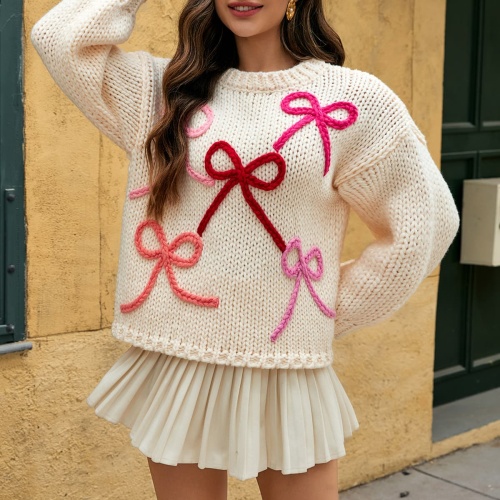
The first step in reducing shrinkage is selecting stable, high-quality yarns from trusted suppliers. As an experienced Women's Knit Crewneck Sweater Supplier, Zefeng Sweater Factory carefully sources yarns that meet strict quality standards for strength, elasticity, and dimensional stability.
Common yarn options include:
· Cotton
· Merino wool
· Cashmere blends
· Acrylic
· Viscose
· Nylon blends
· Recycled fibers
Each fiber has different shrinkage characteristics, so material selection should match the garment's intended performance and care requirements.
Before bulk production begins, manufacturers conduct laboratory tests to evaluate:
· Moisture absorption
· Yarn strength
· Elastic recovery
· Wash shrinkage
· Colorfastness
Testing helps identify potential problems before large-scale manufacturing starts.
Uneven yarn tension is one of the most common causes of inconsistent shrinkage.
Modern computerized knitting machines monitor yarn feeding to maintain uniform tension throughout production. Stable tension ensures:
· Even stitch formation
· Consistent garment dimensions
· Better shape retention
· Reduced fabric distortion
Regular machine calibration also helps minimize production variations.
Knitting density directly affects shrinkage performance.
If stitches are too loose, garments may deform after washing. If stitches are too tight, excessive internal stress may lead to greater shrinkage.
Professional manufacturers carefully adjust:
· Gauge selection
· Stitch length
· Machine speed
· Yarn feeding rate
These settings help produce sweaters with balanced elasticity and dimensional stability.
Before approving bulk production, manufacturers wash sample garments according to international testing standards.
The evaluation includes:
· Length shrinkage
· Width shrinkage
· Sleeve measurements
· Neckline stability
· Overall appearance
Any necessary adjustments are made before full production begins.
Many experienced manufacturers use controlled washing or steam treatments to relax fibers before final garment finishing.
Pre-shrinking offers several advantages:
· Improved size consistency
· Better shape retention
· Reduced post-purchase shrinkage
· Enhanced customer satisfaction
This process is especially important for natural fibers such as wool and cotton.
Steam blocking allows fibers to relax while setting the garment to its intended dimensions.
Benefits include:
· Improved garment shape
· Stable measurements
· Better drape
· Enhanced appearance
Proper steam temperature and exposure time are carefully controlled to prevent fiber damage.
Synthetic and blended yarns often benefit from heat-setting processes.
Heat setting helps:
· Stabilize fabric structure
· Improve elasticity recovery
· Minimize future shrinkage
· Increase durability
The exact process varies depending on the fiber composition.
A professional Women's Knit Crewneck Sweater Supplier does not wait until final inspection to check sizing.
Measurements are typically verified during:
· Knitting
· Linking
· Washing
· Finishing
· Final packaging
This multi-stage inspection process helps identify deviations early, reducing waste and production delays.
Finished sweaters undergo repeated washing tests to verify:
· Dimensional stability
· Fabric recovery
· Surface appearance
· Pilling resistance
· Seam durability
Only products meeting established quality standards proceed to shipment.
Even after production, improper storage can affect sweater dimensions.
Manufacturers should use:
· Moisture-resistant packaging
· Folded storage methods
· Protective polybags
· Temperature-controlled warehouses
These practices help preserve garment quality during transportation.
Overpacking cartons may distort knitted garments during shipping.
Proper carton sizing reduces pressure on sweaters and helps maintain their original shape upon delivery.
When selecting a Women's Knit Crewneck Sweater Supplier, buyers should evaluate more than price alone.
Consider suppliers that offer:
· Yarn testing reports
· Fabric shrinkage data
· Wash test certifications
· Sample approval before bulk production
· Consistent quality control systems
· Modern computerized knitting equipment
· Experienced technical teams
Long-term partnerships with reliable manufacturers often result in fewer quality issues and lower overall sourcing costs.
Zefeng Sweater Factory is committed to delivering premium knitwear with exceptional consistency and durability. As a trusted Women's Knit Crewneck Sweater Supplier, the company combines advanced manufacturing technology with rigorous quality management to ensure every sweater meets international standards.
Key advantages include:
Only carefully selected yarns from reputable suppliers are used to ensure stability and long-lasting performance.
Modern knitting equipment provides precise stitch control, consistent tension, and uniform garment dimensions.
Every production stage is monitored, from raw material inspection to final garment measurement and wash testing.
Zefeng Sweater Factory supports OEM and ODM projects, offering customized designs, yarn selections, colors, patterns, and private labeling for fashion brands and wholesalers worldwide.
Controlling yarn shrinkage is essential for producing high-quality knitwear that meets customer expectations and reduces costly returns. By selecting premium raw materials, maintaining consistent knitting tension, applying effective pre-shrinking and finishing techniques, and implementing rigorous quality control, manufacturers can significantly improve the dimensional stability of their products.
For brands seeking a dependable Women's Knit Crewneck Sweater Supplier, Zefeng Sweater Factory offers the expertise, advanced production capabilities, and strict quality assurance needed to deliver wholesale knit sweaters with consistent sizing, excellent durability, and reliable wash performance. Partnering with an experienced manufacturer ensures your knitwear collection maintains its quality from production to the end customer's wardrobe.
Previous: What Are the Common Defects in Wholesale Turtleneck Sweater Manufacturing and How to Prevent Them?
Copyright:@2020-2021

Comments Please sign in or sign up to post.
0
0 of 500 characters used