
WPC Decorative Panels have become a popular choice for both residential and commercial construction because they combine the natural appearance of wood with the durability of modern composite materials. Their resistance to moisture, insects, and rot makes them ideal for exterior cladding, interior feature walls, fences, ceilings, and decorative facades.
Although WPC Decorative Panels are far less susceptible to mold and mildew than natural timber, they are not completely immune. Dirt, organic debris, standing water, and poor ventilation can create conditions where mold and mildew develop on the panel surface. Fortunately, with proper installation and regular maintenance, these issues can be easily prevented.
As a professional manufacturer, Lupan designs premium WPC products with excellent moisture resistance and long-term durability, helping customers maintain clean and attractive installations in various climates.
Mildew is typically a thin, gray or white fungal growth that appears on damp surfaces. Mold, on the other hand, is usually darker and can appear black, green, or brown. Both thrive in warm, humid environments where moisture and organic matter are present.
While WPC Decorative Panels do not provide nutrients like natural wood, dust, pollen, leaves, and other debris that accumulate on the surface can support fungal growth if left untreated.
Preventing mold and mildew helps:
· Maintain the panel's original appearance
· Reduce cleaning frequency
· Extend product lifespan
· Improve outdoor hygiene
· Protect the aesthetic value of your property
Regular care is much easier and more cost-effective than removing established mold colonies.
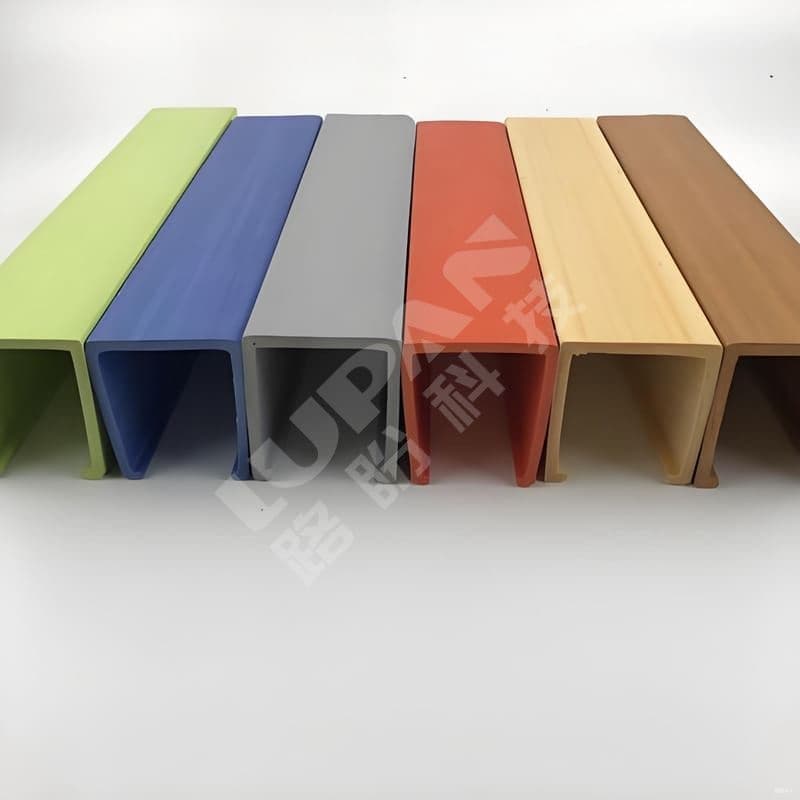
Not all composite panels offer the same level of moisture resistance.
Premium WPC Decorative Panels manufactured by Lupan are produced using carefully selected wood fibers, high-quality polymers, and advanced additives that improve resistance to water absorption and microbial growth.
These features help reduce the likelihood of mold developing, even in humid environments.
High-density extrusion technology creates a more uniform panel structure with fewer pores where moisture can accumulate.
Benefits include:
· Lower water absorption
· Better dimensional stability
· Improved weather resistance
· Longer service life
Investing in quality materials provides long-term protection against environmental damage.
One of the most effective ways to prevent mold is to allow air to circulate behind the panels.
Proper ventilation helps:
· Remove trapped moisture
· Reduce condensation
· Keep surfaces dry
· Lower humidity levels
Ventilated cladding systems significantly reduce the risk of mold growth compared to fully enclosed installations.
Expansion gaps are essential for both thermal movement and moisture drainage.
Following the manufacturer's installation guidelines ensures that water can escape instead of becoming trapped between panels.
Leaves, pollen, dust, bird droppings, and soil create ideal conditions for mold when combined with moisture.
Cleaning your WPC Decorative Panels every few months helps prevent these materials from accumulating.
Areas beneath trees or near gardens may require more frequent cleaning.
Routine cleaning is simple.
Recommended cleaning materials include:
· Mild detergent
· Warm water
· Soft sponge
· Microfiber cloth
· Soft-bristle brush
Avoid steel brushes or harsh abrasive cleaners that may damage the panel surface.
After washing, rinse thoroughly with clean water.
Standing water is one of the primary causes of mildew development.
When designing your project:
· Ensure proper slope for drainage
· Keep gutters functioning properly
· Avoid blocked drainage channels
· Prevent water from pooling near wall panels
Keeping surfaces dry dramatically reduces fungal growth.
Landscape sprinklers should not continuously spray water onto exterior WPC Decorative Panels.
If necessary, adjust sprinkler direction to minimize unnecessary moisture exposure.
For indoor decorative walls, mold prevention focuses on humidity control.
Maintain indoor humidity between 30% and 60% by using:
· Air conditioners
· Exhaust fans
· Dehumidifiers
· Proper ventilation
Bathrooms, kitchens, and laundry rooms especially benefit from improved airflow.
Avoid placing large furniture tightly against decorative wall panels, as restricted airflow may trap moisture.
Small ventilation gaps allow surfaces to dry more efficiently.
Inspect your WPC Decorative Panels several times a year, especially after rainy seasons.
Look for:
· Dark spots
· Surface discoloration
· Persistent moisture
· Debris buildup
· Blocked drainage areas
Addressing these issues early helps prevent mold from spreading.
If mold begins to appear, remove it promptly using mild soap and water or a cleaner specifically approved for composite materials.
Quick action prevents deeper staining and preserves the panel's appearance.
Some strong chemicals may damage the protective surface layer of composite panels.
Avoid products containing:
· Highly concentrated bleach
· Strong solvents
· Acidic cleaners
· Abrasive powders
Always test any cleaning solution on a small, inconspicuous area before applying it to the entire surface.
Choosing a trusted manufacturer plays an important role in long-term performance.
Lupan develops WPC Decorative Panels that combine attractive designs with advanced engineering for superior durability.
High-quality raw materials and optimized manufacturing processes help minimize water absorption, reducing conditions that encourage mold growth.
Lupan panels are designed to withstand rain, humidity, UV exposure, and changing temperatures, making them suitable for a wide range of climates.
Unlike traditional wood, Lupan's composite panels require no painting, staining, or sealing. Routine cleaning is typically all that is needed to maintain their appearance.
By resisting moisture, insects, decay, and weathering, Lupan WPC Decorative Panels provide a durable and cost-effective solution for residential and commercial projects.
Although WPC Decorative Panels are naturally more resistant to mold and mildew than traditional wood products, proper installation and routine maintenance remain essential for achieving the best long-term results. Keeping panels clean, promoting ventilation, preventing standing water, controlling humidity, and performing regular inspections will help maintain a clean and attractive surface for years to come.
When paired with premium products from Lupan, these preventive measures ensure outstanding performance, minimal maintenance, and lasting visual appeal. Whether for exterior facades or interior decorative walls, choosing high-quality WPC Decorative Panels is a smart investment in durability, hygiene, and architectural beauty.
Previous: what are the benefits of foam skirting board
Next: Top 5 Glass Mosaic Tile Trends for Bathroom Walls in 2026
Copyright:@2020-2021

Comments Please sign in or sign up to post.
0
0 of 500 characters used