
Selecting the right Electrical Wire Cable for export projects involves more than comparing prices or specifications. Different countries and industries require cables to comply with specific safety, performance, and environmental standards. Purchasing non-compliant products can result in customs delays, project rejection, costly replacements, and legal liabilities.
Understanding how to verify compliance before placing an order helps importers, EPC contractors, distributors, and procurement managers reduce risks and ensure successful project delivery. As a trusted manufacturer, Biaobang supplies high-quality electrical wire and cable solutions that meet international standards for global markets.
Electrical cables are critical components in power distribution and electrical systems. Their quality directly affects safety, operational reliability, and system performance.
Using a compliant Electrical Wire Cable offers several advantages:
· Ensures electrical safety
· Meets local building regulations
· Simplifies customs clearance
· Improves project acceptance rates
· Reduces maintenance costs
· Protects equipment from electrical failures
· Enhances long-term reliability
Failure to meet required standards can lead to project delays, failed inspections, or even complete product rejection.
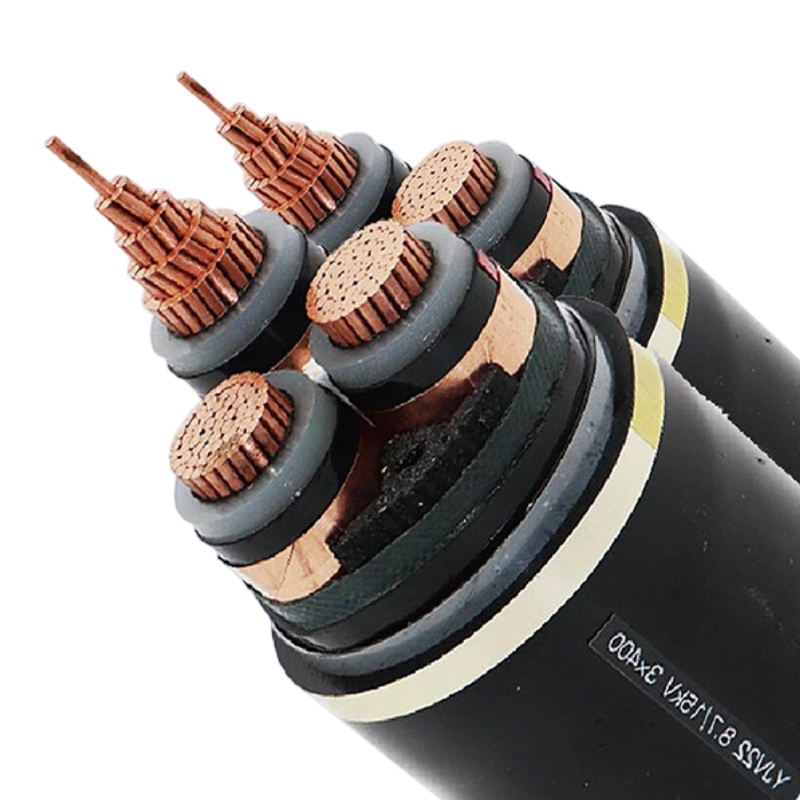
Before purchasing any Electrical Wire Cable, identify the regulations and standards required in the destination country.
Many countries adopt their own cable standards, including:
· IEC (International Electrotechnical Commission)
· UL (United States)
· CSA (Canada)
· BS (United Kingdom)
· VDE (Germany)
· AS/NZS (Australia and New Zealand)
· JIS (Japan)
The required standard depends on the project's location and industry.
Certain sectors require additional certifications, including:
· Oil and gas
· Renewable energy
· Marine engineering
· Mining
· Railway infrastructure
· Data centers
· Healthcare facilities
Always confirm the project specifications before selecting a cable.
Reliable manufacturers provide documentation demonstrating compliance with applicable standards.
A Certificate of Conformity confirms that the Electrical Wire Cable has been manufactured according to the required technical standards.
This document often accompanies export shipments.
Independent laboratory testing provides additional confidence that cable performance matches published specifications.
Typical tests include:
· Electrical performance
· Flame resistance
· Insulation resistance
· Tensile strength
· Aging performance
· Voltage withstand testing
Third-party verification increases buyer confidence during international procurement.
Choose manufacturers with recognized quality management systems such as:
· ISO 9001
· ISO 14001
· ISO 45001
These certifications demonstrate consistent manufacturing processes and quality control.
Compliance involves more than possessing certificates. The technical specifications should also match project requirements.
Verify whether the cable uses:
· High-purity copper
· Aluminum
· Tinned copper
Ensure the conductor meets the specified conductivity and construction requirements.
Common insulation options include:
· PVC
· XLPE
· PE
· LSZH (Low Smoke Zero Halogen)
· Rubber
The selected insulation should satisfy both electrical performance and environmental requirements.
Confirm that the cable's rated voltage matches the intended application.
Examples include:
· Low voltage
· Medium voltage
· High voltage
Using an incorrect voltage class may compromise safety and regulatory compliance.
The conductor size should safely carry the required electrical load while maintaining acceptable operating temperatures.
A reliable manufacturer follows strict production procedures to ensure consistent product quality.
Quality cables begin with premium raw materials.
Manufacturers should inspect:
· Copper purity
· Aluminum quality
· Insulation compounds
· Jacket materials
Modern manufacturing facilities use automated production lines to maintain consistent:
· Conductor dimensions
· Insulation thickness
· Cable concentricity
· Finished cable quality
Before shipment, finished cables should undergo comprehensive inspections, including:
· Dimensional verification
· Electrical testing
· Mechanical testing
· Visual inspection
· Packaging inspection
Comprehensive quality control reduces the likelihood of defects reaching customers.
Export projects often require complete traceability.
Reliable manufacturers assign batch numbers that allow buyers to trace:
· Production dates
· Raw material sources
· Inspection records
· Test reports
Traceability simplifies future maintenance and warranty support.
Every compliant Electrical Wire Cable should display clear identification on its outer jacket.
Typical markings include:
· Manufacturer name
· Cable type
· Conductor size
· Voltage rating
· Production standard
· Manufacturing date or batch number
Permanent, legible markings improve installation accuracy and inspection efficiency.
Proper export packaging protects cable quality during transportation.
Essential export documents may include:
· Commercial invoice
· Packing list
· Certificate of Origin
· Certificate of Conformity
· Test reports
· Shipping documents
Complete documentation helps avoid customs clearance issues.
Before finalizing an order, buyers should discuss the following with the supplier:
Request confirmation that the cable complies with all required regulations.
Many export projects require customized solutions, including:
· Special conductor sizes
· Custom insulation colors
· Private labeling
· Project-specific packaging
· Custom cable lengths
A reputable supplier should clearly explain its inspection process and provide supporting documentation when requested.
Choosing an experienced manufacturer is essential for successful international procurement.
Biaobang specializes in manufacturing premium Electrical Wire Cable products for residential, commercial, industrial, and infrastructure applications worldwide. Every cable is produced using high-quality raw materials, advanced manufacturing equipment, and strict quality control procedures to ensure reliable performance and compliance with international standards.
With extensive export experience, Biaobang supports customers through every stage of the purchasing process, from product selection and technical consultation to certification documentation and customized manufacturing solutions, helping global buyers complete projects with confidence.
Verifying compliance standards before purchasing Electrical Wire Cable is one of the most important steps in any export project. Buyers should carefully review destination market regulations, technical specifications, certifications, manufacturing quality, testing procedures, product traceability, and export documentation before placing an order.
Working with an experienced manufacturer like Biaobang ensures access to compliant, high-quality cable solutions that meet international requirements, reduce procurement risks, and deliver dependable performance across a wide range of global electrical applications.
Previous: Understanding Water Heater Control Boards: Key Functions Explained
Next: Indoor vs Outdoor Electrical Wire Cable: Insulation and Jacket Type Differences Explained
Copyright:@2020-2021

Comments Please sign in or sign up to post.
0
0 of 500 characters used