
Outdoor plastics, coatings, and polymer products face constant exposure to ultraviolet (UV) radiation, heat, oxygen, and moisture. These environmental factors gradually degrade materials, causing discoloration, cracking, loss of gloss, and reduced mechanical strength. To extend product lifespan, manufacturers rely on advanced stabilization technologies, among which Hindered Amine Light Stabilizers (HALS) are recognized as one of the most effective solutions.
Unlike UV absorbers that block ultraviolet radiation, Hindered Amine Light Stabilizers protect polymers by interrupting the degradation process itself. Their unique regenerative mechanism provides long-lasting protection, making them essential in automotive, construction, agricultural, and industrial applications. As a trusted supplier of specialty additives, Onelead offers high-performance HALS solutions that help manufacturers improve weather resistance and enhance product durability.
Hindered Amine Light Stabilizers are a class of polymer additives designed to protect materials from photo-oxidative degradation caused by prolonged exposure to sunlight.
Although their name suggests they absorb light, HALS do not directly absorb UV radiation. Instead, they act as highly efficient free radical scavengers that prevent the chain reactions responsible for polymer aging.
This unique working mechanism enables HALS to provide exceptional long-term stabilization even under severe outdoor conditions.
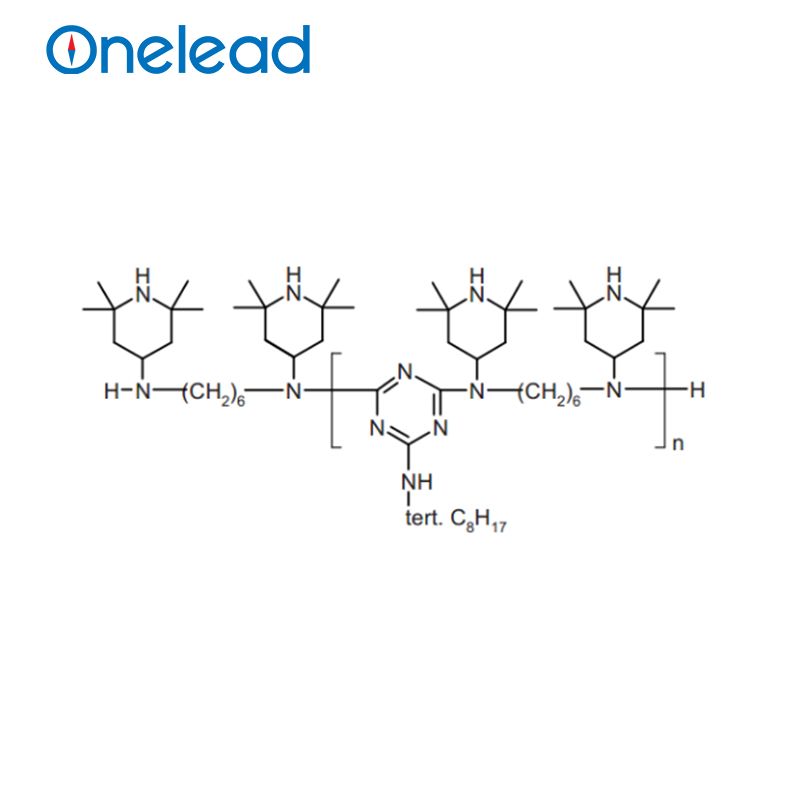
Modern polymers are expected to perform reliably for many years despite continuous environmental exposure.
Without proper stabilization, products may experience:
· Surface chalking
· Color fading
· Gloss loss
· Brittleness
· Cracking
· Reduced impact strength
· Premature failure
Adding Hindered Amine Light Stabilizers significantly delays these degradation processes, extending product service life while reducing maintenance costs.
When UV radiation strikes a polymer surface, it generates highly reactive free radicals within the material.
These radicals trigger oxidation reactions that progressively break polymer chains, leading to physical and aesthetic deterioration.
Without stabilization, the degradation accelerates over time.
The primary function of Hindered Amine Light Stabilizers is to neutralize these free radicals before they can damage the polymer.
HALS convert reactive radicals into more stable compounds, effectively stopping the oxidation chain reaction.
This process protects the polymer's molecular structure and preserves its original properties.
One of the greatest advantages of HALS is their regenerative behavior.
Unlike many additives that are gradually consumed during use, HALS continuously regenerate their active form during oxidation cycles.
As a result, relatively small amounts of HALS can provide long-term protection throughout the product's service life.
This regenerative capability explains why HALS are among the most efficient polymer stabilizers available today.
HALS provide exceptional protection during prolonged outdoor exposure.
Benefits include:
· Improved color retention
· Reduced chalking
· Better gloss preservation
· Enhanced mechanical strength
· Longer product lifespan
These advantages are particularly valuable for products exposed to direct sunlight year-round.
Many polymer products are processed at elevated temperatures during extrusion, injection molding, or coating curing.
High-quality Hindered Amine Light Stabilizers maintain excellent stability during processing, ensuring consistent performance after manufacturing.
HALS are compatible with numerous polymer systems, including:
· Polypropylene (PP)
· Polyethylene (PE)
· Polyurethane (PU)
· Polyvinyl chloride (PVC)
· Engineering plastics
· Coatings
· Adhesives
· Elastomers
Their versatility makes them suitable for a wide variety of industries.
Because HALS operate through catalytic regeneration, relatively low loading levels often provide highly effective stabilization.
This allows manufacturers to achieve superior weather resistance without significantly increasing formulation costs.
HALS are frequently combined with UV absorbers, such as benzotriazole or triazine derivatives, to maximize weather resistance.
Each additive performs a different function:
· UV absorbers capture harmful ultraviolet radiation before it damages the polymer.
· Hindered Amine Light Stabilizers eliminate free radicals generated during oxidation.
This dual-protection approach significantly extends the durability of outdoor products.
In modern coating systems, combining HALS with UV absorbers results in:
· Longer gloss retention
· Reduced cracking
· Better color stability
· Improved resistance to chalking
This combination has become the industry standard for premium exterior coatings.
Automotive components must maintain appearance and structural integrity for many years.
HALS are widely used in:
· Exterior plastic trim
· Bumpers
· Interior panels
· Automotive coatings
· Under-the-hood components
They help preserve color, gloss, and impact resistance despite continuous UV exposure.
Construction materials require excellent resistance to sunlight and changing weather conditions.
HALS improve the durability of:
· Window profiles
· Exterior wall panels
· Roofing membranes
· Composite decking
· Protective coatings
These applications benefit from reduced maintenance and longer service life.
Greenhouse and mulch films operate under intense sunlight throughout growing seasons.
Adding Hindered Amine Light Stabilizers helps maintain film strength and transparency while preventing premature degradation.
Plastic packaging used outdoors or during long-term storage benefits from HALS by maintaining appearance and mechanical integrity.
Applications include:
· Industrial containers
· Chemical packaging
· Bulk storage systems
Industrial equipment often operates in harsh outdoor environments.
HALS improve coating performance by minimizing:
· Surface erosion
· Color fading
· Gloss reduction
· Cracking
This reduces maintenance frequency and extends equipment life.
As a professional supplier of specialty chemical additives, Onelead delivers advanced HALS solutions designed for demanding industrial applications.
Strict manufacturing standards ensure reliable stabilization performance across every production batch.
Onelead provides HALS grades suitable for numerous polymers, coatings, adhesives, and engineering materials.
Experienced specialists assist customers with:
· Product selection
· Formulation optimization
· Dosage recommendations
· Compatibility testing
· Weatherability improvements
Onelead supports customers worldwide with dependable production capacity, consistent quality, and responsive technical service.
Choosing the appropriate Hindered Amine Light Stabilizers depends on several factors:
Different polymers require different HALS chemistries for optimal compatibility and performance.
Products exposed to continuous sunlight generally require higher-performance stabilization systems.
Manufacturing temperature, curing methods, and processing time influence additive selection.
Applications designed for extended outdoor use often benefit from combining HALS with advanced UV absorbers for maximum protection.
Hindered Amine Light Stabilizers play a vital role in protecting polymers against long-term environmental degradation. By scavenging free radicals and continuously regenerating during oxidation cycles, HALS provide outstanding weather resistance, excellent thermal stability, and extended product durability across a wide range of industries.
Whether used in automotive parts, construction materials, agricultural films, packaging, or industrial coatings, HALS help manufacturers improve product performance while reducing maintenance costs. With high-quality stabilization technologies and professional technical support, Onelead enables customers to develop durable, weather-resistant products that meet the evolving demands of global markets.
Copyright:@2020-2021

Comments Please sign in or sign up to post.
0
0 of 500 characters used