
Agricultural films play a critical role in modern farming by improving crop yield, conserving water, controlling weeds, and extending growing seasons. However, these films are continuously exposed to harsh environmental conditions, including intense ultraviolet (UV) radiation, high temperatures, oxygen, pesticides, and moisture. Without effective stabilization, they can quickly become brittle, lose transparency, and fail before the end of their intended service life.
To address these challenges, manufacturers widely use Hindered Amine Light Stabilizers (HALS). Unlike conventional UV absorbers, HALS provide long-lasting protection by preventing the photo-oxidation process that causes polymer degradation. As a leading supplier of polymer additives, Onelead offers high-performance Hindered Amine Light Stabilizers designed to improve the durability and weather resistance of agricultural films used around the world.
Agricultural films are typically manufactured from polyethylene (PE), one of the most widely used polymers in farming applications. While PE offers excellent flexibility and cost-effectiveness, it is highly susceptible to UV degradation.
Without proper stabilization, prolonged sunlight exposure can lead to:
· Yellowing and discoloration
· Reduced transparency
· Surface cracking
· Brittleness
· Loss of tensile strength
· Premature film failure
These problems reduce crop protection and increase replacement costs for growers. Incorporating Hindered Amine Light Stabilizers significantly extends the useful life of agricultural films.
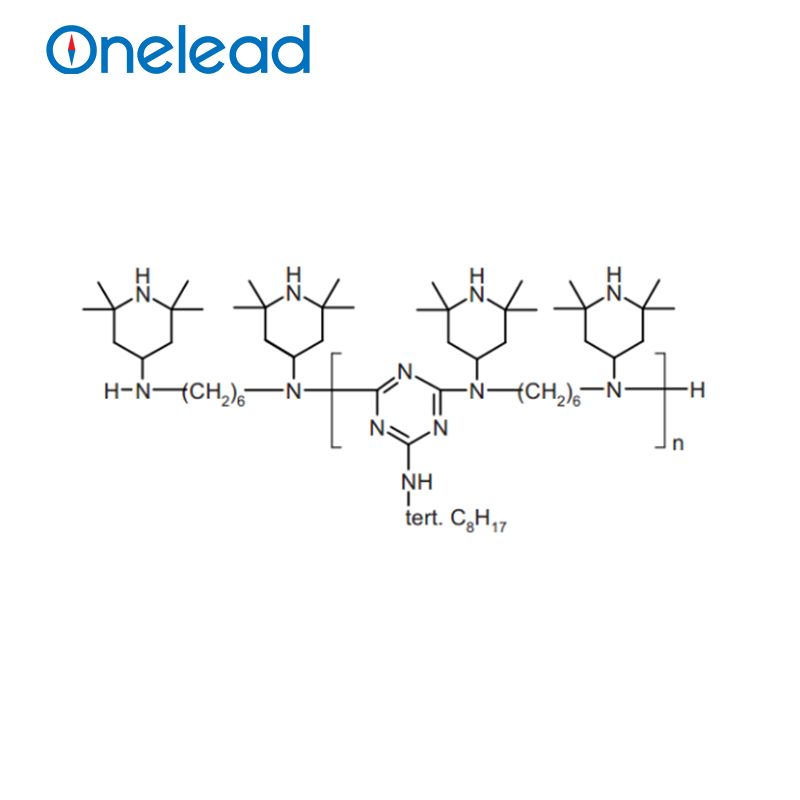
Unlike UV absorbers that simply absorb ultraviolet radiation, Hindered Amine Light Stabilizers protect polymers through a chemical stabilization process.
When UV radiation initiates oxidation, free radicals are generated inside the polymer structure. These highly reactive molecules attack polymer chains, causing gradual degradation.
HALS interrupt this chain reaction by neutralizing free radicals before they can damage the material.
As a result, the polymer maintains its physical properties for a much longer period.
One of the unique advantages of HALS is their regenerative capability.
Rather than being consumed during the stabilization process, HALS continuously regenerate their active form through cyclic chemical reactions.
This regenerative behavior allows relatively low concentrations of Hindered Amine Light Stabilizers to provide long-lasting protection throughout the film's service life.
The primary benefit of HALS is significantly improved weather resistance.
Properly stabilized agricultural films can remain functional through multiple growing seasons while maintaining their mechanical integrity.
This reduces replacement frequency and lowers operating costs.
UV degradation weakens polymer chains, making films more susceptible to tearing during installation and use.
HALS help preserve:
· Tensile strength
· Elongation
· Tear resistance
· Flexibility
This ensures reliable field performance throughout the product lifecycle.
Greenhouse films require high light transmission for optimal crop growth.
Hindered Amine Light Stabilizers help minimize yellowing and haze formation, maintaining excellent transparency over extended periods.
Improved optical clarity supports healthy plant development and consistent agricultural productivity.
Agricultural films are often exposed to:
· Fertilizers
· Pesticides
· Herbicides
· Sulfur-containing chemicals
Modern HALS formulations are designed to provide better resistance against chemical interactions that could otherwise reduce stabilization efficiency.
Selecting the appropriate HALS grade is especially important in chemically demanding agricultural environments.
Greenhouse covers require long-term UV resistance while maintaining maximum light transmission.
HALS help preserve film performance by reducing:
· Brittleness
· Gloss loss
· Yellowing
· Mechanical degradation
Mulch films protect soil moisture and suppress weed growth.
By incorporating Hindered Amine Light Stabilizers, manufacturers can ensure that films remain durable throughout the intended crop cycle without premature failure.
Silage wrapping films must maintain strength during storage and outdoor exposure.
HALS improve durability while helping preserve film elasticity and puncture resistance.
Low tunnel and high tunnel films experience continuous sunlight exposure throughout the growing season.
HALS extend service life and reduce maintenance costs by improving long-term weatherability.
For general-purpose agricultural films with moderate outdoor exposure, HALS loading typically ranges from:
0.10%–0.30% of the polymer formulation.
This dosage provides effective UV stabilization for seasonal applications.
Films designed for multiple years of outdoor service generally require higher stabilization levels.
Recommended dosage:
0.30%–0.60%
The exact loading depends on:
· Geographic location
· UV intensity
· Film thickness
· Expected service life
Agricultural films used in tropical, desert, or high-altitude environments often require enhanced stabilization systems.
In these cases, formulators frequently combine HALS with UV absorbers to maximize protection.
Typical total stabilization packages are optimized through laboratory weathering tests and field evaluations.
Several variables influence the optimal concentration of Hindered Amine Light Stabilizers, including:
Different polyethylene grades may require different stabilization strategies.
Thicker films generally provide greater UV resistance, while thinner films may require higher additive efficiency.
Areas with stronger sunlight demand more robust stabilization systems.
A film designed for one growing season requires less stabilization than a greenhouse cover expected to last several years.
Many premium agricultural films combine Hindered Amine Light Stabilizers with UV absorbers for superior protection.
This combination works through complementary mechanisms:
These additives absorb harmful UV radiation before it reaches the polymer.
HALS eliminate free radicals generated during oxidation, preventing further degradation.
Together, these technologies provide:
· Longer film lifetime
· Better transparency
· Improved mechanical properties
· Reduced maintenance costs
This synergistic approach has become the preferred solution for high-performance agricultural films.
As a trusted supplier of specialty polymer additives, Onelead provides advanced HALS solutions tailored for agricultural film manufacturers.
Every production batch undergoes strict quality control to ensure stable performance and reliable weather resistance.
Onelead offers HALS grades suitable for:
· Greenhouse films
· Mulch films
· Silage films
· Tunnel films
· General outdoor polyethylene applications
Onelead's experienced technical team assists customers with:
· Product selection
· Dosage optimization
· Formulation development
· Compatibility evaluation
· Weathering performance improvement
With stable manufacturing capacity and efficient logistics, Onelead supports agricultural film producers worldwide with dependable product availability and technical service.
Hindered Amine Light Stabilizers are essential additives for extending the service life of agricultural films exposed to challenging outdoor environments. Their unique free radical scavenging mechanism, regenerative behavior, and excellent long-term weather resistance make them the preferred stabilization technology for greenhouse films, mulch films, silage wraps, and tunnel covers.
By selecting the appropriate HALS grade and optimizing dosage according to climate, polymer type, and expected service life, manufacturers can significantly improve film durability and crop protection. With high-quality stabilization solutions and comprehensive formulation support, Onelead helps agricultural film producers develop reliable, high-performance products that meet the evolving demands of modern agriculture.
Previous: What Is Ethyl Chloroacetate In Agrochemical Synthesis
Next: A look at ongoing research in lithium fluorides, lithium sulfates, and other new chemistries
Copyright:@2020-2021

Comments Please sign in or sign up to post.
0
0 of 500 characters used