
Lighting plays a crucial role in interior and exterior design, influencing how a space looks and feels. When selecting mosaic tiles, many homeowners, architects, and designers ask an important question: Which tile reflects light better—glass or ceramic mosaic? The answer depends on the material's composition, surface finish, and intended application.
As a professional Glass Tile Manufacturer, Ralart Mosaic produces premium glass and ceramic mosaic tiles that combine exceptional aesthetics with long-lasting performance. This guide compares the light-reflecting properties of both materials to help you choose the ideal option for your next project.
Light reflection can significantly affect the appearance of a room. Tiles with higher reflectivity can:
· Make small spaces appear larger
· Increase brightness in low-light areas
· Enhance natural sunlight
· Create luxurious visual effects
· Improve the overall atmosphere of a room
Whether designing a residential kitchen or a luxury hotel lobby, understanding how different tile materials interact with light is essential.
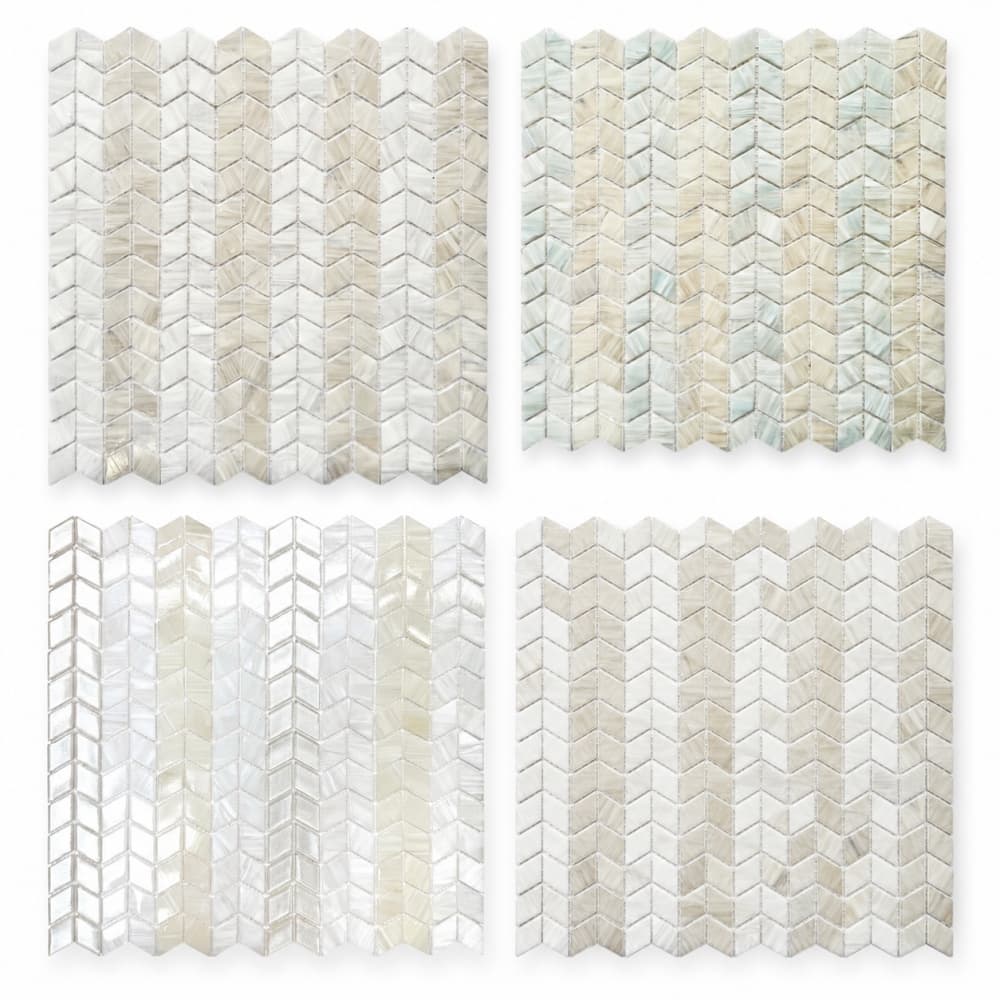
Glass is naturally translucent and highly reflective. Unlike many other tile materials, light can penetrate the surface before being reflected back, creating depth and brilliance.
As an experienced Glass Tile Manufacturer, Ralart Mosaic manufactures glass mosaics using high-quality materials that maximize clarity, color vibrancy, and reflective performance.
Glass mosaic tiles offer several lighting benefits:
· High-gloss finish
· Excellent light reflection
· Rich color brilliance
· Enhanced visual depth
· Sparkling appearance under natural and artificial lighting
These characteristics make glass mosaics particularly popular in modern interior design.
Ceramic mosaics are produced from clay and finished with a protective glaze. Their ability to reflect light depends largely on the type of glaze applied.
Glossy ceramic tiles reflect more light than matte finishes, while textured surfaces scatter light to produce a softer appearance.
Ceramic mosaics are available in:
· Glossy glaze
· Matte finish
· Satin finish
· Textured glaze
· Handmade-look surfaces
This variety allows designers to control how much light is reflected in different environments.
Glass mosaic tiles outperform ceramic tiles in terms of brightness.
Because of their transparent structure, glass tiles create multiple layers of reflection, giving walls and decorative surfaces a luminous appearance.
Ceramic mosaics provide a more subtle reflection, especially when finished with matte or textured glazes.
Winner: Glass Mosaic Tiles
Light reflection directly affects color appearance.
Glass mosaics amplify surrounding light, making colors appear more vibrant and dynamic throughout the day.
Ceramic mosaics present colors in a softer, more consistent manner without dramatic changes under different lighting conditions.
· Brilliant jewel-like colors
· Greater depth
· Dynamic visual effects
· Luxury aesthetics
· Warm, natural tones
· Balanced appearance
· Traditional elegance
· Comfortable atmosphere
Glass mosaics excel in rooms with abundant natural light.
Sunlight reflects through the glass surface, creating sparkling effects that enhance feature walls, backsplashes, and swimming pools.
Ceramic mosaics absorb more light, producing a calmer and less reflective appearance.
LED lighting, pendant lights, and spotlights further enhance the reflective qualities of glass mosaics.
Restaurants, hotels, spas, and retail stores often use glass mosaics to create sophisticated lighting effects after dark.
Ceramic mosaics still perform well but generally provide a softer ambiance.
As a trusted Glass Tile Manufacturer, Ralart Mosaic recommends glass mosaics for projects where light enhancement is a priority.
Ideal applications include:
Glass reflects under-cabinet lighting beautifully, making kitchens appear cleaner and more spacious.
Reflective surfaces brighten bathrooms while complementing mirrors and modern fixtures.
Glass mosaics interact with sunlight and moving water to create stunning visual effects that ceramic tiles cannot easily replicate.
Accent walls finished with glass mosaics become focal points in residential and commercial interiors.
Although glass offers superior reflectivity, ceramic mosaics remain an excellent choice for many applications.
They are particularly suitable for:
· Floor installations
· Rustic interiors
· Minimalist designs
· Traditional homes
· Areas requiring reduced glare
Matte ceramic finishes create comfortable environments where excessive reflections are undesirable.
Ralart Mosaic offers glass mosaics in numerous styles, including:
· Subway mosaics
· Hexagon mosaics
· Penny rounds
· Herringbone patterns
· Iridescent finishes
· Metallic glass mosaics
· Customized decorative designs
Ceramic mosaics are available in:
· Glossy finishes
· Matte textures
· Stone-look surfaces
· Handmade-inspired glazes
· Geometric patterns
· Contemporary color palettes
Both materials provide exceptional creative flexibility for architects and designers.
As a leading Glass Tile Manufacturer, Ralart Mosaic supplies premium mosaic solutions to distributors, wholesalers, architects, contractors, and interior designers worldwide.
Every product is manufactured using modern production technology to ensure:
· Precise dimensions
· Uniform color consistency
· Excellent surface quality
· Reliable durability
· Outstanding visual performance
Ralart Mosaic offers:
· Glass mosaic tiles
· Ceramic mosaics
· Stone mosaics
· Metal mosaics
· Mixed-material mosaics
· Customized mosaic solutions
The company supports global customers with customized product development, private label packaging, bespoke colors, and tailored designs to meet diverse market requirements.
To achieve the brightest and most visually appealing results:
Glossy surfaces reflect more light than matte textures, regardless of the material.
White or light gray grout enhances the reflective effect and creates a seamless appearance.
Combine natural daylight with LED accent lighting to highlight the brilliance of glass mosaics.
Feature walls, backsplashes, shower surrounds, and reception areas benefit most from reflective tile surfaces.
If your primary goal is to maximize light reflection, glass mosaic tiles are the clear winner. Their translucent structure, glossy finish, and exceptional brilliance make them ideal for brightening interiors, enhancing color, and creating luxurious visual effects. Ceramic mosaics, while less reflective, offer understated elegance, versatile finishes, and a timeless aesthetic that suits a wide range of design styles.
By partnering with an experienced Glass Tile Manufacturer like Ralart Mosaic, you gain access to high-quality glass and ceramic mosaic collections that combine innovative design, superior craftsmanship, and lasting performance for residential and commercial projects alike.
Copyright:@2020-2021

Comments Please sign in or sign up to post.
0
0 of 500 characters used