
Installing a Flake Ice Machine correctly is just as important as selecting the right model. Even the most advanced ice-making equipment can experience reduced efficiency, increased maintenance costs, or premature component failure if installation requirements are overlooked. Whether you're operating a seafood processing plant, concrete cooling facility, food processing factory, or commercial refrigeration system, proper planning ensures reliable ice production and long equipment life.
This guide explains the key installation requirements for a Flake Ice Machine, focusing on space planning, power supply, water connection, and other essential considerations. It also highlights why Daxtro is a trusted manufacturer of high-performance flake ice solutions for industrial and commercial applications.
A Flake Ice Machine is designed to operate continuously under demanding conditions. Correct installation helps maximize efficiency while minimizing downtime.
Proper installation provides several benefits:
· Stable ice production
· Lower energy consumption
· Longer equipment lifespan
· Reduced maintenance costs
· Improved operational safety
· Consistent ice quality
By following the manufacturer's installation guidelines, businesses can protect their investment and ensure optimal performance.
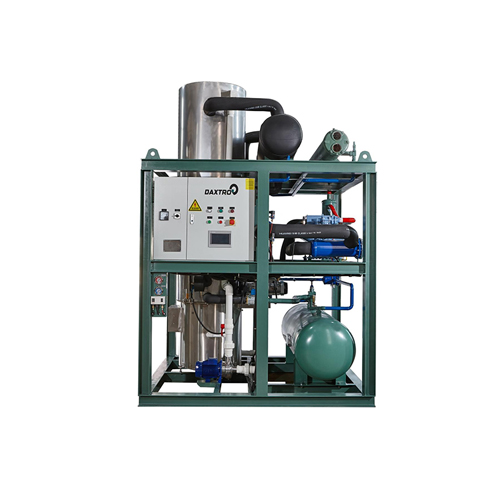
Adequate installation space is one of the first considerations before purchasing a Flake Ice Machine.
Air-cooled ice machines require unrestricted airflow around the condenser to dissipate heat efficiently.
Leave adequate clearance around the machine, especially:
· At the rear
· On both sides
· Above the unit
Poor ventilation can cause higher condensing temperatures, reduced ice production, and increased power consumption.
Technicians need easy access for routine inspections and servicing.
Maintenance space should allow access to:
· Compressor
· Evaporator
· Electrical control panel
· Water pump
· Refrigeration components
Proper access significantly reduces maintenance time.
The equipment should be installed on a flat, solid, and vibration-resistant foundation.
An uneven surface may lead to:
· Excessive vibration
· Increased mechanical wear
· Poor drainage
· Reduced operational stability
For large industrial models, reinforced concrete foundations are often recommended.
Whenever possible, install the Flake Ice Machine in a clean, well-ventilated indoor location.
Avoid areas exposed to:
· Direct sunlight
· High ambient temperatures
· Dust
· Corrosive chemicals
· Heavy rain
· Flooding
A controlled environment improves overall system efficiency.
A stable electrical supply is essential for safe and reliable machine operation.
Before installation, verify that the local power supply matches the machine's specifications.
Depending on the model, industrial Flake Ice Machines may require:
· Single-phase power
· Three-phase power
· Different voltage ratings based on regional standards
Using an incorrect voltage may damage electrical components or void the manufacturer's warranty.
The ice machine should operate on its own dedicated electrical circuit.
This prevents voltage fluctuations caused by sharing power with other heavy-duty equipment.
Dedicated circuits also improve safety and operational stability.
Reliable grounding protects both operators and electrical components.
Grounding helps prevent:
· Electric shock
· Equipment damage
· Control system failures
· Electrical interference
Always comply with local electrical regulations.
Install appropriate protective devices such as:
· Circuit breakers
· Overload protection
· Leakage protection switches
These safety measures protect the Flake Ice Machine during abnormal operating conditions.
Water quality directly affects ice quality and equipment longevity.
The water supply should maintain consistent pressure throughout operation.
Excessively low pressure may reduce ice production, while excessive pressure can damage internal components.
Pressure-regulating valves may be installed when necessary.
Clean water minimizes scale formation and improves ice quality.
Depending on local water conditions, treatment systems may include:
· Sediment filters
· Activated carbon filters
· Water softeners
· Reverse osmosis systems
Cleaner water extends evaporator service life and reduces maintenance.
Lower inlet water temperatures generally improve ice-making efficiency.
Although most Flake Ice Machines operate across a wide temperature range, extremely warm water may reduce production capacity.
Proper drainage is equally important.
The drain line should:
· Flow freely
· Prevent backflow
· Avoid standing water
· Resist freezing in cold environments
Good drainage prevents sanitation issues and water accumulation around the equipment.
Many industrial Flake Ice Machines use advanced refrigeration systems that require careful installation.
Air-cooled machines require unrestricted airflow around the condenser.
Regular condenser cleaning is also necessary to maintain cooling efficiency.
Water-cooled systems require:
· Stable cooling water supply
· Proper water circulation
· Adequate heat rejection capacity
These models are often selected for high-temperature environments.
Large industrial installations may utilize remote condensers to reduce indoor heat and noise.
Proper refrigerant piping installation should always follow manufacturer recommendations.
Ambient conditions significantly affect machine performance.
For best results:
· Keep ambient temperatures within the manufacturer's recommended operating range.
· Avoid excessive humidity whenever possible.
· Protect electrical components from moisture.
· Minimize dust accumulation around ventilation openings.
Maintaining suitable environmental conditions helps preserve cooling efficiency and extend equipment life.
Several additional factors contribute to reliable long-term operation.
If the Flake Ice Machine is connected to an ice storage bin or automatic delivery system, ensure proper alignment and secure connections to prevent ice loss or blockages.
Position the machine where operators can easily inspect:
· Ice production
· Water flow
· Electrical controls
· Safety alarms
Easy access simplifies daily operation and troubleshooting.
Industrial facilities may benefit from installing vibration isolation pads beneath the machine to reduce operational noise and vibration.
Improper installation often leads to reduced efficiency and unnecessary repairs.
Common mistakes include:
· Insufficient ventilation space
· Incorrect electrical voltage
· Poor grounding
· Low-quality water supply
· Inadequate drainage
· Uneven foundations
· Ignoring routine maintenance access
Avoiding these issues helps maximize machine reliability.
Daxtro specializes in designing and manufacturing high-performance Flake Ice Machines for commercial and industrial applications worldwide.
Daxtro machines deliver continuous, high-capacity flake ice production while maintaining excellent energy efficiency.
Premium stainless steel components and corrosion-resistant materials ensure long service life, even in demanding environments.
Modern PLC-based controls provide:
· Automatic operation
· Real-time monitoring
· Fault diagnosis
· Safety protection
· User-friendly operation
Daxtro offers a wide range of production capacities suitable for:
· Seafood processing
· Meat processing
· Supermarkets
· Fisheries
· Chemical industries
· Concrete cooling
· Mining operations
· Medical applications
Daxtro provides installation guidance, commissioning assistance, operator training, and responsive after-sales service to ensure customers achieve maximum equipment performance.
Once the Flake Ice Machine is installed, routine maintenance helps maintain peak efficiency.
Best practices include:
· Clean water filters regularly.
· Inspect electrical connections periodically.
· Remove condenser dust and debris.
· Check water pressure and drainage.
· Monitor refrigerant system performance.
· Sanitize the ice-making system according to recommended schedules.
Preventive maintenance reduces downtime and extends equipment lifespan.
Proper installation is the foundation of reliable Flake Ice Machine performance. By carefully planning installation space, ensuring a stable power supply, providing clean and consistent water connections, and maintaining suitable environmental conditions, businesses can maximize ice production while reducing operating costs and maintenance requirements.
Whether for food processing, seafood preservation, concrete cooling, or industrial refrigeration, choosing a high-quality Flake Ice Machine from Daxtro ensures dependable performance, energy efficiency, and long-term reliability. Combined with professional installation and regular maintenance, Daxtro ice machines provide a dependable solution for businesses that require continuous, high-quality flake ice production.
Copyright:@2020-2021

Comments Please sign in or sign up to post.
0
0 of 500 characters used