
Steel wire ropes are indispensable in construction, marine, offshore, mining, and industrial applications. However, when exposed to harsh environments such as saltwater, chemicals, extreme humidity, or high temperatures, standard steel ropes can suffer from corrosion, reducing their lifespan and compromising safety. Selecting the right corrosion-resistant steel wire rope material is critical to ensure operational efficiency, safety, and cost-effectiveness. This guide explores the types of corrosion-resistant steel wire ropes, material considerations, and best practices for maintaining performance in challenging environments.
Corrosion occurs when steel reacts with oxygen and moisture, forming rust and weakening the rope. Environmental factors such as saltwater, industrial chemicals, acidic atmospheres, and high humidity accelerate this process. Corroded ropes lose tensile strength, flexibility, and fatigue resistance, increasing the risk of failure.
Key issues caused by corrosion include:
Reduced load-bearing capacity
Increased risk of wire breakage
Shortened service life
Higher maintenance and replacement costs
Operational downtime due to safety concerns
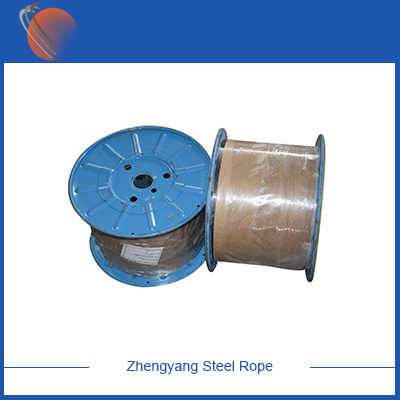
Choosing the right material and rope type is crucial for minimizing corrosion and maximizing performance in harsh conditions.
Material: Carbon steel with a zinc coating.
Advantages:
Protects against surface corrosion
Moderate cost compared to stainless steel
Suitable for outdoor or marine environments with moderate exposure
Limitations:
Zinc coating wears over time, especially under friction
Not suitable for highly acidic or alkaline conditions
Applications: Construction cranes, general outdoor lifting, docks, and ports
Material: High-grade stainless steel (commonly 304 or 316).
Advantages:
Excellent corrosion resistance, including in saltwater
High tensile strength and fatigue resistance
Minimal maintenance required
Limitations:
Higher initial cost
Less flexible than some coated carbon steel ropes
Applications: Marine rigging, offshore lifting, chemical plants, food and pharmaceutical industries
Material: Steel rope coated with PVC or other polymer.
Advantages:
Prevents direct contact with corrosive elements
Provides smoother surface, reducing abrasion
Adds color coding for identification in complex systems
Limitations:
Coating may wear or peel under heavy friction
Less effective in extreme chemical environments compared to stainless steel
Applications: Outdoor hoists, cable cars, landscaping lifts, and recreational equipment
Material: Galvanized or stainless ropes with specialized internal lubricants.
Advantages:
Lubrication penetrates core, reducing internal corrosion
Improves fatigue life and reduces friction
Applications: Cranes, mining hoists, and elevators operating in humid or corrosive environments
Selecting the right corrosion-resistant steel wire rope requires evaluating the project environment, load requirements, and operational constraints.
Marine/Offshore: High salt content requires stainless steel or heavily galvanized ropes.
Industrial/Chemical: Exposure to acids, alkalis, or solvents may require stainless steel or special coatings.
Outdoor Construction: Galvanized ropes or PVC-coated ropes provide adequate protection.
Determine maximum load, dynamic loads, and shock factors.
Higher tensile ropes may be needed for heavy lifting, which may favor stainless steel IWRC constructions.
Ropes bending over sheaves or drums frequently need flexible constructions like Lang lay ropes.
Coated or lubricated ropes reduce friction and wear during repetitive bending.
Corrosion-resistant ropes still require periodic inspection for broken wires, coating wear, and lubrication depletion.
Lubrication and cleaning can prolong rope life even in harsh environments.
Stainless steel ropes have higher upfront costs but lower maintenance and replacement expenses.
Galvanized ropes are cost-effective for moderate exposure but may require earlier replacement in highly corrosive environments.
Implementing proper maintenance and operational practices ensures optimal rope performance:
Regular Cleaning: Remove salt deposits, dirt, or chemical residues to prevent surface corrosion.
Proper Lubrication: Use rope-specific lubricants to reduce internal friction and prevent internal corrosion.
Avoid Overloading: Ensure lifting operations stay within rated capacity to reduce stress and abrasion.
Inspect Frequently: Check for coating wear, wire breaks, and abnormal wear patterns.
Proper Storage: Keep ropes in dry, ventilated areas when not in use to minimize environmental exposure.
Anchoring, mooring, and lifting equipment must resist saltwater corrosion.
Stainless steel or galvanized ropes with high abrasion resistance are preferred.
Outdoor cranes, tower lifts, and hoists benefit from coated or galvanized ropes to resist rain, humidity, and industrial pollutants.
Exposure to dust, chemicals, and moisture necessitates ropes with corrosion-resistant coatings or stainless steel.
Cable cars, ski lifts, and outdoor amusement equipment benefit from coated or stainless steel ropes for both safety and longevity.
In harsh environments, the right corrosion-resistant steel wire rope can dramatically improve operational safety, reduce maintenance costs, and extend service life. By carefully considering environmental conditions, load requirements, flexibility needs, and maintenance capabilities, project managers can select ropes that meet both performance and budget requirements.
For high-quality corrosion-resistant steel wire ropes engineered to withstand the toughest environments, Zhengyang Steel Rope Co., Ltd. offers reliable and durable solutions for construction, marine, offshore, mining, and industrial applications.
Previous: Ti vs Zr PVD Sputtering Target: Which Produces Better Corrosion-Resistant Films?
Next: Decorative Wire Mesh
Copyright:@2020-2021

Comments Please sign in or sign up to post.
0
0 of 500 characters used