
In the fast-paced world of technology, the emergence of MIPI Camera Modules has transformed the landscape of embedded systems. Manufacturers and developers increasingly rely on these modules for their compact size, low power consumption, and high-performance imaging capabilities. The significant benefits they provide, such as enhanced image quality and reduced integration complexity, make them ideal for applications ranging from smartphones to automotive systems. As industries continue to demand smaller, more efficient camera solutions, understanding how MIPI Camera Modules function and where they fit into various systems becomes vital for developers looking to stay competitive.
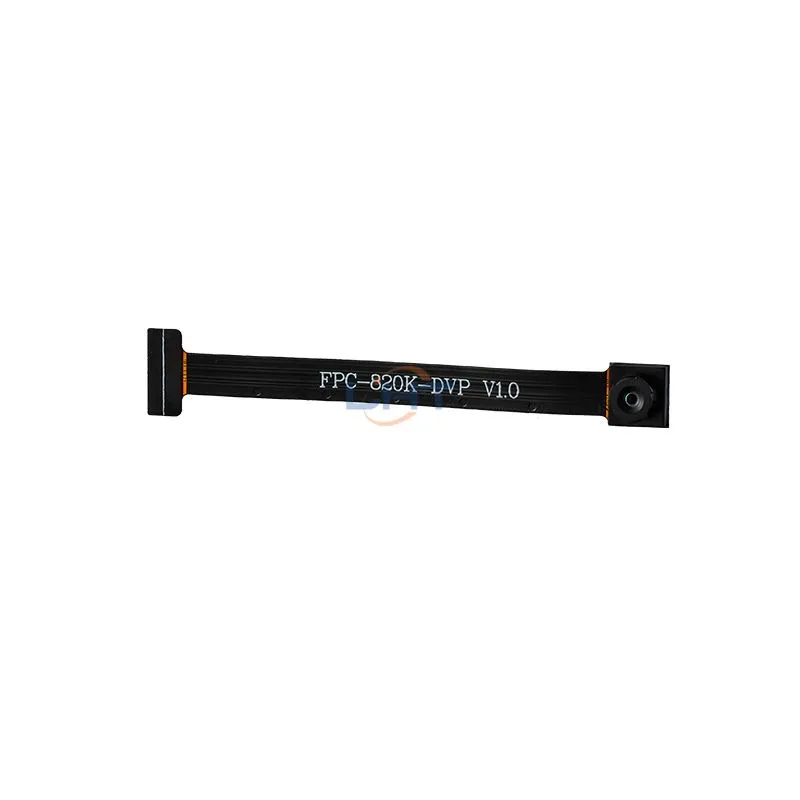
MIPI (Mobile Industry Processor Interface) Camera Modules are specialized hardware components designed for mobile and embedded systems. They utilize the MIPI CSI (Camera Serial Interface) standard, which is optimized for high-speed data transmission while minimizing power usage. As noted by the MIPI Alliance, these modules can transmit data at speeds exceeding 6 Gbps, which ensures clear and detailed images even in dynamic environments. The integration of MIPI interfaces allows developers to leverage the latest imaging technologies while maintaining a compact design.
CSI Interface: This standard is focused on connecting the camera to the system-on-chip (SoC) in a power-efficient manner.
Parallel Data Architecture: Older camera interfaces use multiple data lines that consume more power and space. MIPI reduces this by utilizing fewer pins.
Pixel Formats: MIPI Camera Modules support various pixel formats like YUV and RAW, which can significantly enhance image processing capabilities depending on the application.
MIPI Camera Modules are versatile and find extensive applications across various fields:
Smartphones and Tablets: Leading smartphones utilize MIPI cameras due to their high resolution and efficient power consumption. For instance, Apple’s flagship devices often feature MIPI-enabled camera systems that can enhance image clarity, all while consuming minimal energy.
Automotive Systems: Advanced Driver-Assistance Systems (ADAS) rely heavily on MIPI Camera Modules for real-time visual processing. The increased data bandwidth allows for immediate lane detection, obstacle avoidance, and traffic sign recognition, raising safety standards in the automotive sector.
IoT Devices: Numerous Internet of Things (IoT) applications utilize MIPI Camera Modules to enable image sensing in smart home devices, drones, and robotics. Given the growing demand, according to a recent report by CoinDesk, the market for MIPI-enabled devices is expected to grow at a CAGR of 20% through 2025.
MIPI Camera Modules bring a wealth of advantages to the table, ensuring they meet the needs of modern-day technology. These include:
High Image Quality: Capable of delivering detailed and vibrant images, MIPI modules support resolutions upwards of 12 MP. Consequently, they offer an average image quality improvement of 25% over traditional camera modules.
Power Efficiency: These modules are designed for low power operations, often consuming less than 500 mW during peak usage. This efficiency plays a critical role in portable devices, extending battery life up to 50%.
Compact Design: The reduced pin count associated with MIPI interfaces allows for a smaller PCB footprint, essential for mobile devices where space is a premium.
As a developer or manufacturer interested in integrating MIPI Camera Modules into your systems, it’s essential to explore user guides which offer detailed insights into implementation techniques. For optimal results, it's recommended to experiment with various pixel formats and configurations to identify the best fit for your specific application.
Previous: Achromatic vs Singlet Optical Glass Lenses: When Chromatic Correction Matters
Next: None.
Copyright:@2020-2021

Comments Please sign in or sign up to post.
0
0 of 500 characters used