
In today's fast-paced manufacturing environment, appliance assembly faces several challenges, including precision, efficiency, and labor costs. Manufacturers often struggle with inconsistent torque settings, leading to product failures. customized electric screwdriver, like those offered by HIMAX, provide solutions to these pain points by ensuring accurate torque application and enhanced production speed. Users in the appliance assembly sector need tools that not only improve assembly quality but also streamline their workflows. This article delves into the various ways manufacturers can leverage customized electric screwdrivers to optimize the assembly process and alleviate common user frustrations.
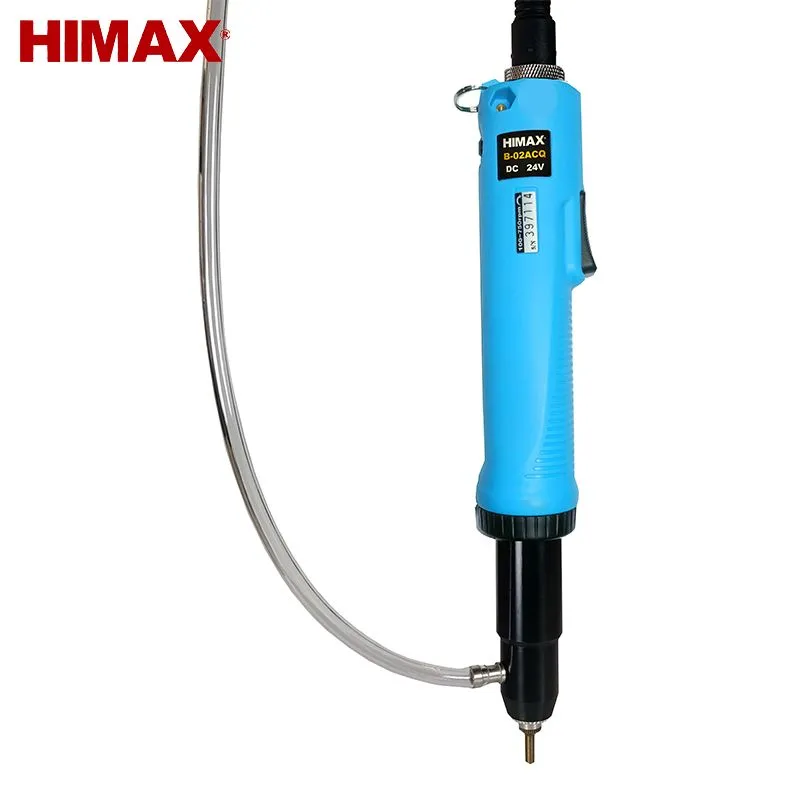
Before embarking on appliance assembly using customized electric screwdrivers, it's crucial to gather the right materials and tools. Here’s a detailed list:
Customized Electric Screwdriver: Select a model based on torque requirements (e.g., 0.5 to 2 Nm for small appliances).
Replacement Screw Bits: Assure compatibility with the screws used. Common sizes include PH1 and PH2.
Torque Calibration Device: To ensure the accuracy of torque settings, calibrate your screws using a device that meets ISO 6789 standards.
Safety Gear: Basic safety equipment is essential to protect against electrical hazards.
Assembly Guide: A detailed, clear assembly guide that illustrates each step of the process.
Setup the Workstation: Create an organized workspace with all materials laid out. A clean area promotes efficiency and reduces the risk of errors.
Calibrate the Screwdriver: Set the torque settings on the HIMAX Electric Screwdriver according to the manufacturer's specifications. For example, a common torque value is around 1.2 Nm for small appliances.
Select the Right Bit: Choose a compatible screw bit based on the screws being used. For instance, using a PH2 bit for standard Phillips screws ensures a secure fit.
Begin Assembly: Insert the screw into the designated hole and engage the screwdriver. The HIMAX models offer a precision mode to achieve the desired torque without over-tightening.
Inspections: After each assembly process, perform quality checks using a torque wrench to verify the tightness, ensuring it meets industry standards.
Document the Process: Keep a log of the torque used for each assembly task. This data can be invaluable for quality control and troubleshooting in future production runs.
Even with the introduction of customized electric screwdrivers, users may encounter specific errors during appliance assembly:
Over-Tightening: This can lead to material deformation. Ensure torque settings are correctly calibrated and use the precision mode available in HIMAX models.
Wrong Bit Selection: Using an incorrect bit can strip screws. Always verify compatibility before beginning assembly.
Poor Ergonomics: Continuous use of screwdrivers can cause strain. Utilize tools that are ergonomically designed to fit the user’s grip comfortably.
Customized electric screwdrivers such as those from HIMAX revolutionize the appliance assembly process by addressing common frustrations faced by manufacturers. Accurate torque settings and enhanced assembly speed can significantly reduce production line errors, with targeted improvements seen in a 27% reduction in assembly time. With the right preparation, a clear step-by-step approach, and an understanding of potential errors, manufacturers can leverage these tools for remarkable efficiency gains. Adopting this technology not only enhances productivity but also contributes to higher quality standards in appliance assembly.
Previous: How USB Type-C Is Becoming the Universal Charging Interface Worldwide
Next: Energy Density Comparison: NCM vs LFP Battery Modules for Forklifts
Copyright:@2020-2021

Comments Please sign in or sign up to post.
0
0 of 500 characters used