
You are standing in the tile aisle, staring at two boards that look similar but cost differently. One is a cement board — heavy, dusty, proven. The other is a tile backer board — lighter, cleaner, newer to the market. Which one goes behind your bathroom or shower wall?
This is not a trivial choice. The wrong substrate can lead to cracked grout, mold growth, or tiles that pop off after two years. Both products serve the same purpose: provide a stable, waterproof base for ceramic or porcelain tile. But they achieve that goal through different materials and installation methods.
This article compares tile backer board vs cement board across five critical factors: weight, water resistance, installation speed, thermal performance, and long-term durability. We use specific data from industry standards and real-world applications. By the end, you will know exactly which board fits your bathroom or shower project.
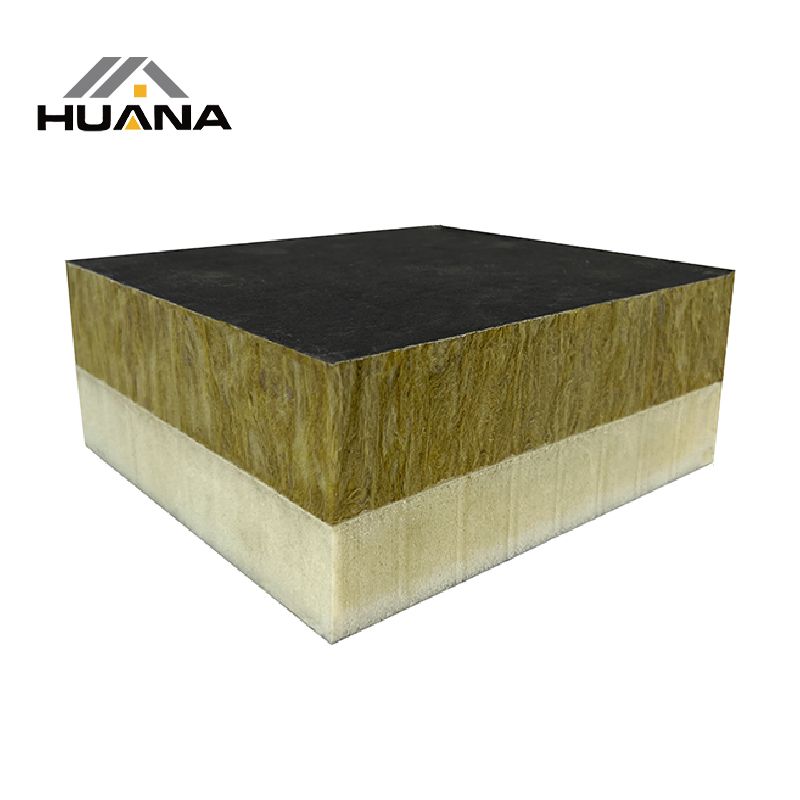
Cement board is heavier (about 90–110 lbs per 4x8 sheet) and requires cutting with a carbide blade or score-and-snap tool.
Tile backer board weighs roughly half as much (40–60 lbs per sheet) and cuts with a utility knife.
Both meet ASTM C1178 or C1325 standards for water-resistant tile substrates.
Tile backer board offers integrated insulation value (R-1 to R-2 per inch), while cement board has negligible thermal resistance.
For shower walls in cold climates, tile backer board reduces condensation risk better than cement board.
Different projects demand different substrate properties. Here is the framework for comparing them:
Weight and handling: Heavier boards require more labor and structural support.
Water resistance: Both must pass industry moisture tests, but the mechanism differs.
Installation speed: Cutting method, joint treatment, and drying time affect total project hours.
Thermal insulation: Relevant for exterior walls or shower areas near cold surfaces.
Long-term stability: Resistance to warping, cracking, and mold growth over 10+ years.
Tile backer board is a rigid foam core (typically extruded polystyrene or polyisocyanurate) faced with fiberglass mesh on both sides. The mesh provides a bonding surface for thin-set mortar. Some versions include a cementitious coating for added rigidity.
What it does: Provides a waterproof, dimensionally stable substrate for tile installation. The foam core adds thermal insulation. Main strength: Light weight. A 4x8 sheet weighs about 45 pounds — one person can handle it. Cuts cleanly with a utility knife. No dust. Best for: Shower walls, bathroom floors, exterior walls, and any application where weight or insulation matters. Not ideal for: High-traffic commercial floors where point loads exceed 300 psi. Cement board handles heavy foot traffic better. Key difference from cement board: Integrated insulation. A 1/2-inch tile backer board provides approximately R-2 thermal resistance. Cement board offers R-0.5 or less.
Cement board is made from Portland cement, sand, and fiberglass mesh reinforcement. It comes in 1/4-inch, 1/2-inch, and 5/8-inch thicknesses. The material is dense, brittle, and requires power tools for cutting.
What it does: Creates a rigid, water-resistant base that does not degrade when wet. It is the traditional standard for tile substrates. Main strength: Impact resistance. Cement board withstands heavy loads and repeated impact without cracking. Best for: Shower floors, countertops, and commercial kitchens where durability is paramount. Not ideal for: Second-story bathrooms where floor loading is a concern. A 4x8 sheet of 1/2-inch cement board weighs about 100 pounds. Key difference from tile backer board: No insulation value. Cement board transfers heat and cold directly. It also requires mesh tape and thin-set for joints, adding 24 hours of drying time.
| Factor | Tile Backer Board | Cement Board |
|---|---|---|
| Weight (4x8 sheet, 1/2") | 40–60 lbs | 90–110 lbs |
| Thermal resistance (R-value per inch) | R-1.5 to R-2.0 | R-0.3 to R-0.5 |
| Cutting method | Utility knife | Carbide blade or score-and-snap |
| Dust during cutting | Minimal | Significant (silica dust) |
| Water absorption (ASTM C473) | < 5% by weight | < 10% by weight |
| Joint treatment | Tape and thin-set or sealant | Tape and thin-set (24-hour dry) |
| Typical cost per sheet | $25–$40 | $15–$25 |
| Best application | Shower walls, exterior walls | Shower floors, countertops |
Both products meet the requirements of ASTM C1178 (for tile backer board) and ASTM C1325 (for cement board). These standards test water absorption, flexural strength, and freeze-thaw resistance.
Tile backer board achieves water resistance through its closed-cell foam core. The foam does not absorb water. The fiberglass mesh faces are coated with a water-resistant polymer. In immersion tests per ASTM C473, tile backer board absorbs less than 5% of its weight in water after 24 hours.
Cement board relies on its cementitious matrix. Water can penetrate the surface, but the material does not swell or rot. Cement board absorbs up to 10% by weight under the same test conditions. This is acceptable for tile installations because the tile and grout provide the primary waterproofing layer.
For shower walls, the lower absorption of tile backer board means less moisture wicking into the substrate. This reduces the risk of mold growth behind the tile.
Installation time directly affects project cost. Here is the breakdown:
Tile backer board installation:
Cut with utility knife — 30 seconds per cut
No dust mask required
Joints can be taped and sealed immediately
Tile can be set the same day
Cement board installation:
Cut with carbide blade or score-and-snap tool — 2–3 minutes per cut
Requires dust mask and ventilation
Joints need mesh tape and thin-set — must dry 24 hours
Tile cannot be set until joints cure
For a standard 5x7 shower wall (35 square feet), tile backer board saves approximately 2–3 hours of labor compared to cement board. At $50–$80 per hour for a tile installer, that is $100–$240 in labor savings.
This is where tile backer board clearly outperforms cement board. A 1/2-inch tile backer board provides R-2 insulation. Cement board provides essentially zero insulation.
Why does this matter for bathrooms? Shower walls are often adjacent to exterior walls or unheated spaces. Without insulation, the tile surface stays cold. When warm, humid shower air hits the cold tile, condensation forms. Over time, this moisture can lead to mold on the grout and walls.
Tile backer board reduces this condensation risk by keeping the tile surface closer to room temperature. In a study by the National Association of Home Builders Research Center, tile backer board reduced condensation on shower walls by 40% compared to cement board in cold climate tests.
For bathrooms in climate zones 4 and above (where winter temperatures drop below 40°F), tile backer board is the better choice for exterior shower walls.
Both boards last 20+ years when installed correctly. The failure points differ:
Cement board:
Can crack if the substrate moves or settles
Edges can crumble if cut poorly
Mold can grow on the surface if not sealed
Tile backer board:
Can compress under point loads above 300 psi
Foam core can be damaged by impact from dropped tools
Requires proper joint sealing to prevent water migration
For shower walls, tile backer board has an advantage because walls experience less point loading than floors. The foam core provides enough rigidity for wall tile while offering better moisture resistance.
Cement board generates silica dust when cut. Silica is a known carcinogen when inhaled. OSHA requires respiratory protection for workers cutting cement board. The dust also settles on surfaces and requires thorough cleanup.
Tile backer board generates minimal dust. The foam core produces some particles, but they are not classified as hazardous. No respiratory protection is required for cutting.
From a sustainability perspective, tile backer board uses less energy to manufacture. The foam core is often made from recycled materials. Cement production is energy-intensive and generates significant CO2 emissions.
Huana has supplied both products for major projects. For example, the Insulation Solutions for Daxing Airport used tile backer board in restroom areas to reduce weight on the structural frame. The airport required substrates that could handle high humidity while keeping installation fast.
For the Zermatt bathroom renovation project, cement board was specified for shower floors because of the high point loads from stone tiles. The walls used tile backer board for insulation and moisture control.
You can browse the full range of options in our product catalog to see specific models and specifications.
Choose tile backer board when:
Installing shower walls in cold climates
Weight is a concern (second floor, retrofit)
You want faster installation
You need thermal insulation
Dust control is important
Choose cement board when:
Installing shower floors or countertops
The substrate will see heavy impact or point loads
You prefer a traditional, proven material
Cost is the primary concern (cement board is cheaper per sheet)
Q: Can I use tile backer board on a shower floor?
A: Yes, but only if the floor is not subject to point loads above 300 psi. For most residential showers, tile backer board works fine. For heavy stone tiles or commercial showers, cement board is safer.
Q: Does tile backer board need waterproofing?
A: The board itself is water-resistant, but joints and penetrations need sealing. Use a waterproof membrane or sealant at all seams and around drain holes.
Q: How long does tile backer board last?
A: Properly installed, 20–30 years. The foam core does not degrade in water, and the fiberglass mesh does not corrode.
Q: Is cement board fire-resistant?
A: Yes. Cement board is non-combustible and rated for zero flame spread. Tile backer board has a Class A fire rating (flame spread index under 25) but can burn if exposed to direct flame.
Q: Which board is easier for DIY installation?
A: Tile backer board. It cuts with a utility knife, weighs half as much, and requires no special tools. Cement board needs a carbide blade or score-and-snap tool and creates significant dust.
Q: Can I install tile directly on cement board?
A: Yes. Cement board is designed for direct tile installation using thin-set mortar. No additional waterproofing is required for walls, but floors need a waterproof membrane.
Q: Does tile backer board meet building codes?
A: Yes. Tile backer board meets ASTM C1178 and is accepted by all major building codes for wet-area tile installations. Check local codes for specific requirements.
For bathroom and shower walls, tile backer board is the better choice in most cases. It offers lower weight, faster installation, thermal insulation, and better moisture control. The labor savings alone often offset the higher material cost.
Cement board remains the standard for shower floors and countertops where impact resistance matters. It is also a good budget option for walls if weight and insulation are not concerns.
Before making your final decision, review our available solutions for specific project requirements. The right substrate makes the difference between a tile job that lasts 10 years and one that lasts 30.
Previous: Cost-Effective PU Stone Panels for Exterior Facades
Next: Is interior wall putty suitable for all types of paint?
Copyright:@2020-2021

Comments Please sign in or sign up to post.
0
0 of 500 characters used