
An anti-clogging screen must work in perfect harmony with the vibratory equipment. This involves ensuring the screen deck is uniformly tensioned to transmit vibration effectively across the entire panel, eliminating dead spots where material can accumulate. Furthermore, selecting the correct vibration parameters is key. A combination of high amplitude and relatively low frequency is often most effective, providing the aggressive "bouncing" action needed to dislodge sticky particles and keep apertures clear.
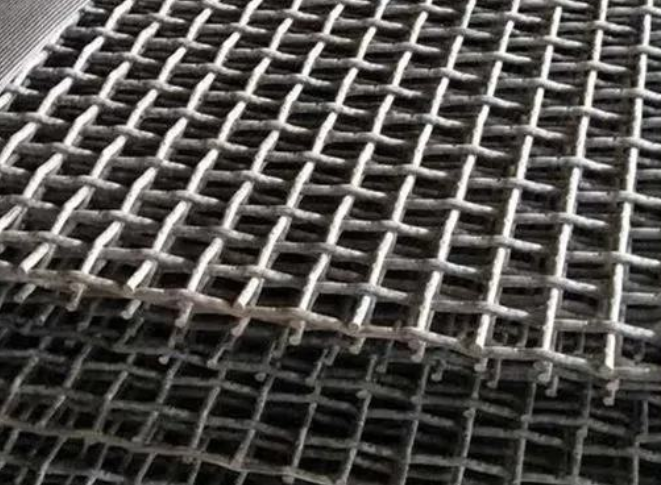
Effective anti-clogging design of welded screen mesh is a holistic system. It combines intelligent aperture geometry, specialized materials, and precise mechanical integration to create a self-cleaning screening surface. For potash processors, investing in this tailored approach translates directly to sustained efficiency, higher product quality, and a major reduction in the costly downtime associated with screen blinding, ensuring a more reliable and profitable operation.
Previous: How to Balance Aperture Size and Strength for Metal Woven Screens in Coarse Screening
Next: Aligning Spacing of Wedge Wire Screen with Material Behavior
Copyright:@2020-2021

Comments Please sign in or sign up to post.
0
0 of 500 characters used