
When it comes to material handling solutions, determining between plastic pallets and wooden pallets can significantly affect your logistics costs. Both options present compelling advantages, but understanding the financial implications is crucial for buyers and distributors. By comparing cost-efficiency related to plastic and wooden pallets, we can uncover substantial insights into their durability, maintenance, and overall sustainability.
Cost is often the primary concern for businesses. Here’s a detailed breakdown of the overall expenses associated with each pallet type:
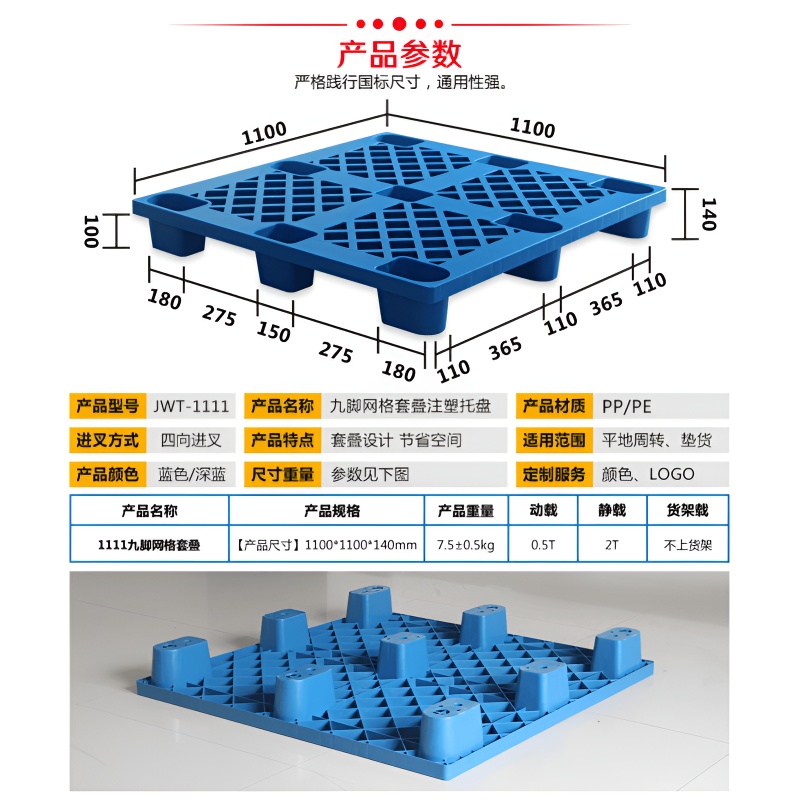
Plastic pallets generally range from $10 to $60 each, depending on size and quality, while wooden pallets cost between $5 and $30. The initial investment for plastic may seem high, but consider:
Plastic pallets last about 5-10 years while wooden pallets last only 3-5 years. This extended lifespan means you may need fewer replacements, yielding overall savings.
Durability lies at the core of cost-efficiency. Here’s how they stack up:
Plastic pallets are resistant to moisture, mold, and decay, whereas wooden pallets can splinter and rot, requiring more frequent replacements. A comparison table illustrates this further:
| Aspect | Plastic Pallets | Wooden Pallets |
|---|---|---|
| Moisture Resistance | High | Low |
| Weight Capacity (lbs) | 3000+ | 1500-2000 |
| Expected Lifespan | 5-10 years | 3-5 years |
Understanding maintenance costs can also reveal hidden savings:
Plastic pallets can be easily cleaned with water and detergent, making them ideal for strict hygiene standards. Wooden pallets require more intensive maintenance to avoid pest infestations.
Plastic pallets usually cannot be repaired once damaged, while wooden pallets can often be repaired or refurbished at a lower cost.
In today’s eco-conscious world, sustainability plays a significant role in decision-making:
Plastic pallets are recyclable, reducing landfill waste, while wooden pallets can contribute to deforestation. Assessing the environmental impact may alter long-term business strategies.
Some industries have stringent regulations for hygiene and safety, which favor plastic pallets. The safety and density of plastic help them comply with international shipping standards more easily.
The comparison between plastic and wooden pallets is clear in many aspects of cost efficiency. Although plastic pallets command a higher upfront price, their durability, ease of maintenance, and sustainability benefits create a compelling financial argument for long-term use. For overseas buyers and distributors like those aligned with Zobonsol, investing in plastic pallets can mean significant savings and enhanced operational efficiency over time. Choosing the right pallet type can also contribute to a company’s long-term success.
Copyright:@2020-2021

Comments Please sign in or sign up to post.
0
0 of 500 characters used