
When it comes to optimizing the efficiency of plastic recycling granulators, the design of granulator blades plays a crucial role in determining the particle size and throughput of the materials processed. Users often face several challenges such as inconsistent particle sizes, reduced throughput, and increased operational costs. These problems stem from insufficient knowledge about blade geometry, material compatibility, and cutting parameters. For instance, a poorly designed blade may fail to achieve the desired particle size, leading to a 25% reduction in recycling efficiency. Understanding blade design can help alleviate these pain points and align operational goals with efficient material processing. Let’s explore the intricacies of granulator blade design, along with detailed recommendations to optimize your particle size and throughput metrics.
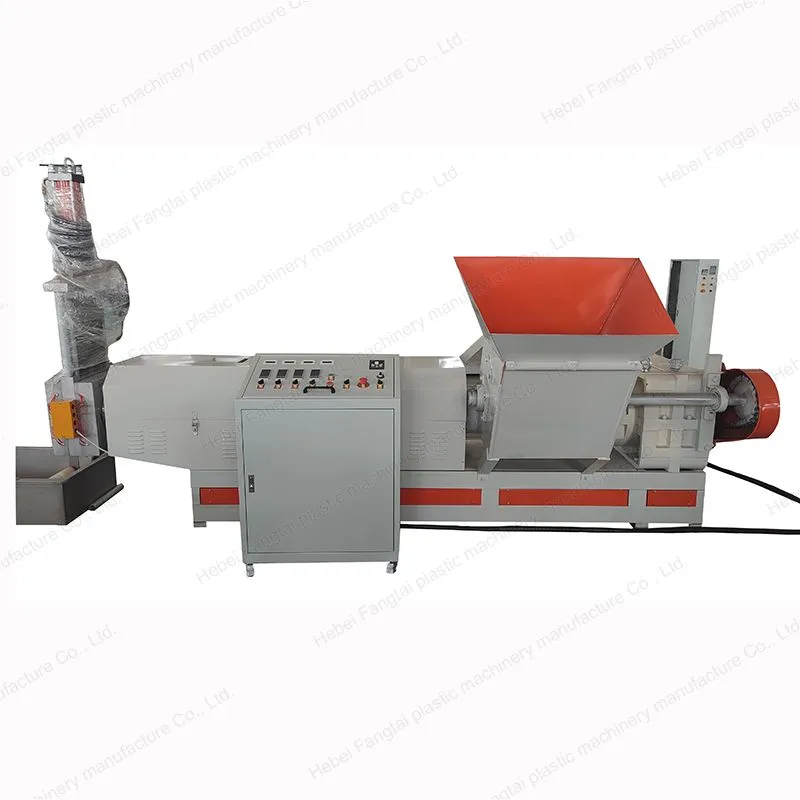
Before diving into optimizing your granulator blades, it's essential to understand the prerequisite concepts and the tools needed:
Granulator Blade Geometry: Familiarize yourself with terms such as blade width, angle, and number of blades. The optimal design often results in less wear and tear, prolonging blade life by up to 30%.
Material Considerations: Different materials require specific blade compositions. For example, high-carbon steel blades can withstand prolonged use, resulting in a robust performance metric of 500 hours of operation under normal stress.
Equipment Specifications: Establish the technical parameters of your granulator, including horsepower (typically between 5-30 HP) and the maximum allowable dimensions of input material (often ranging from 20 mm to 50 mm).
Start by evaluating your current blade design. Remove the blades from the granulator and measure the following:
Blade thickness.
Angle of attack.
Material properties including hardness and residual stress.
Select the appropriate material for the blades. High-speed steel (HSS) or tool steel are viable options for improved tensile strength and durability. The tensile strength of HSS can be around 900 MPa, compared to only 400 MPa for standard carbon steel.
Adjust the angle of attack based on the type of material being processed. For instance, an angle of 30 degrees may yield an average particle size of 1-3 mm, reducing variations by 20% compared to a standard 45-degree angle blade.
After modifications, conduct baseline tests. Measure throughput in kilograms per hour. A well-designed blade should improve throughput by 15% to 30% based on empirical testing data.
Utilize feedback loops to constantly monitor blade performance. Implementing real-time data analytics can improve operational efficiencies, with companies reporting enhanced decision-making that has increased productivity metrics by 40%.
Throughout the process, some common errors include:
Inconsistent Particle Sizes: This can arise from improper blade dimensions. Regularly recalibrating blades ensures uniformity, achieving a target variance of less than 2% in particle sizes.
Poor Material Flow: This may indicate improper blade angles or spacing. Adjust these factors based on material type; softer plastics generally require less aggressive designs to maintain smooth flow.
Effective granulator blade design significantly impacts particle size and throughput in recycling processes. By understanding the key factors such as blade geometry, material selection, and creating a systematic approach for testing and monitoring, granulator performance can be markedly improved. It's advisable to regularly consult with manufacturers like Fangtai, who specialize in providing advanced granulation technologies and solutions tailored to specific industry needs. Remember, a well-optimized granulator can improve overall recycling efficiency, reduce costs, and contribute positively to sustainability efforts!
Previous: XINCHI HOSE Gains Global Traction Through Strategic Trade Show Presence and Reliable Partnerships
Next: How Silicone Sheets Flatten and Fade Hypertrophic Scars
Copyright:@2020-2021

Comments Please sign in or sign up to post.
0
0 of 500 characters used