
A circular stapler is a specialized surgical instrument widely used in gastrointestinal, colorectal, and thoracic surgeries to create end-to-end, end-to-side, or side-to-side anastomoses. Its primary function is to simultaneously cut and staple tissue, enabling surgeons to reconnect hollow organs quickly, precisely, and securely.
The main function of a circular stapler is to form a circular row of staples while excising excess tissue, resulting in a uniform, leak-resistant anastomosis. This process significantly improves surgical efficiency and consistency compared to traditional hand-sewn sutures.
When fired, the circular stapler:
• Compresses tissue evenly
• Deploys one or two concentric rings of surgical staples
• Cuts a circular opening between the joined tissues using an integrated circular blade
This ensures proper tissue approximation and patency of the anastomosis.
Circular staplers are most commonly used in low anterior resection (LAR) procedures to reconnect the colon and rectum after tumor removal. They allow safe anastomosis in deep pelvic areas that are difficult to access manually.
In procedures involving the esophagus, stomach, and intestines, circular staplers facilitate:
Esophagogastric anastomosis
Gastrojejunal anastomosis
Intestinal reconnections after resections
Circular staplers are used in esophageal surgeries to restore continuity following esophagectomy, ensuring consistent staple formation in delicate tissues.
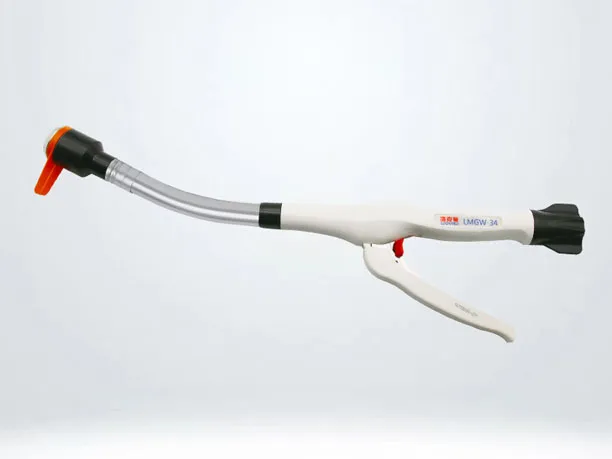
Using a circular stapler offers several clinical and operational benefits:
Reduced operative time compared to hand suturing
Consistent staple formation, minimizing human error
Improved anastomotic integrity, lowering leak risk
Enhanced access in confined surgical fields
Standardized outcomes, especially in minimally invasive surgery
These advantages contribute to improved patient recovery and reduced complication rates.
A typical circular stapler consists of:
Staple housing with circular staple cartridges
Detachable anvil
Central shaft
Firing mechanism
Integrated circular knife
During use, the anvil and stapler body are positioned on opposite ends of the tissue. Once aligned and compressed, the device is fired to complete the anastomosis in a single action.
While circular staplers are highly effective, proper size selection, tissue alignment, and compression time are critical to avoid complications such as:
Anastomotic leakage
Stricture formation
Bleeding at the staple line
Surgeons must be trained in correct handling and follow manufacturer guidelines and surgical protocols.
Copyright:@2020-2021

Comments Please sign in or sign up to post.
0
0 of 500 characters used