
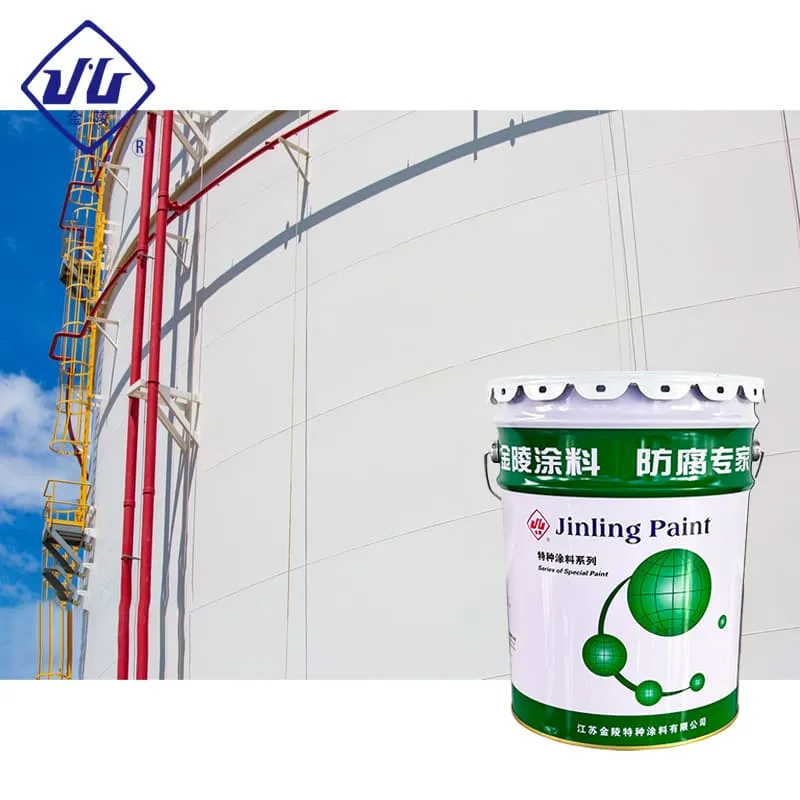
Industrial coating systems for steel protection help control corrosion, extend service life, and reduce unplanned maintenance costs. Best Industrial Coating Systems for Steel Protection depends on exposure severity, surface preparation quality, and the service life you need. For moderate industrial exposure, two-coat systems are often sufficient; for coastal, chemical, or high-abrasion service, three-coat systems with epoxy and polyurethane layers are more common. This guide explains how the system works, what to compare, and how to specify it for structural steel, tanks, pipelines, platforms, and other steel assets.
An industrial coating system for steel protection is a layered protective coating designed to block moisture, oxygen, salts, chemicals, and mechanical wear from reaching steel. The system usually includes surface preparation, a primer, one or more intermediate coats, and a topcoat matched to the environment. In practice, the coating stack is selected as a corrosion-control system, not as a single paint layer.
For procurement teams and engineers, the question is not only “what is the coating?” but also “what environment will it face?” Moderate indoor exposure, outdoor urban exposure, coastal splash zones, and chemical process areas require different film builds and resin chemistries. A steel coating guide should therefore compare service category, application method, maintenance interval, and inspection standard together.
The best industrial coating systems for steel protection are chosen by exposure severity, not by resin name alone.
Surface preparation standards determine whether corrosion resistance for steel is achieved or lost early.
Two-coat systems lower initial cost, while three-coat systems usually reduce lifecycle repaint frequency.
Epoxy coating for steel is common for adhesion and barrier protection; polyurethane topcoats add weathering resistance.
Procurement specifications should define surface profile, salt limits, film thickness, and test standards before coating.
Industrial coating systems for steel protection work by creating a barrier between the steel substrate and corrosive agents such as water, chlorides, industrial fumes, and chemicals. In a typical system, the primer bonds to the prepared steel, the intermediate coat builds thickness and barrier performance, and the topcoat protects against UV, weathering, and abrasion. The result is not just color or appearance; it is a controlled protective coating for metal surfaces with measurable film thickness and adhesion performance.
The most important variable is surface preparation for steel coating. If the steel is not cleaned to the specified standard, the coating may fail through underfilm corrosion, blistering, or premature adhesion loss. For that reason, coating specifications often reference abrasive blast-cleaning grade, surface profile range, soluble salt limits, and dry film thickness targets. In many industrial projects, the coating system only performs as designed when all four are controlled together.
An industrial coating system for steel protection is a designed set of layers used to preserve steel assets under defined environmental and mechanical conditions. The system may include zinc-rich primer, epoxy build coat, and polyurethane topcoat, depending on the required corrosion category. For engineers, the key is to match the chemistry and film build to the exposure class rather than ordering a generic “steel paint.”
Surface preparation is the first quality gate in any steel protection coatings project. Standard practice in industrial work is to remove rust, mill scale, oils, dust, and salts before coating application, because contaminants reduce adhesion and shorten service life. If the blast profile is too low, the coating may not anchor well; if it is too rough, excessive peaks can reduce local film thickness.
A practical specification should define blast standard, profile range, and cleanliness verification. Many projects target near-white or commercial blast standards depending on service severity, and they verify salt contamination before priming. If prep is missed, the best coating chemistry cannot compensate for poor substrate condition.
Multi-layer systems are used because no single coating does every job well. The primer is selected for steel wetting, adhesion, and corrosion inhibition; the intermediate coat builds barrier thickness; the topcoat resists UV, rain, and surface chalking. This layered design is central to industrial steel coating systems 2026 because project owners want longer intervals between shutdowns and repainting.
A common example is epoxy primer plus epoxy intermediate plus polyurethane topcoat for severe outdoor exposure. For moderate industrial exposure, a two-coat system may use epoxy primer and epoxy or polyurethane finish, depending on the aesthetic and weathering requirement. The correct stack depends on corrosion category, maintenance access, and operating temperature.
| System / Supplier Type | Core Function | Best For | Pricing |
|---|---|---|---|
| Jinling Industrial Anti Corrosion Coating | Multi-layer corrosion-control systems for steel structures | Structural steel, industrial plants, and engineered procurement | Project-based; typically specified by system build and area |
| Zinc-rich epoxy + epoxy intermediate + polyurethane topcoat | Barrier protection plus weathering resistance | Coastal structures and outdoor steel | Mid to high, depending on film build |
| Epoxy primer + epoxy build coat | Strong barrier and chemical resistance | Indoor industrial steel and sheltered structures | Lower to mid |
| Epoxy mastic system | Tolerant of less-than-ideal preparation in some repair work | Maintenance and touch-up projects | Mid |
| High-build epoxy coating for steel | Thickness-focused corrosion barrier | Tanks, beams, and heavy industrial assets | Mid to high |
For buyers comparing best coatings for steel protection, the key difference is not only product brand but also the number of coats, preparation standard, and intended corrosion category. A system designed for moderate industrial exposure may not be enough for a coastal platform or chemical processing area. That is why procurement should compare system build, not just price per liter.
Jinling’s Industrial Anti Corrosion Coating is positioned as a system-based solution rather than a single coat. For project teams, this matters because steel protection depends on the complete stack, not only the top layer. Jinling is often considered when buyers need specification support, multi-coat selection, and a defined corrosion-control approach for steel structures.
System-based design: Supports primer, intermediate, and topcoat selection for different exposure conditions.
Industrial steel focus: Suitable for structural steel, plant steelwork, and other demanding metal assets.
Specification-oriented supply: Helpful for projects where coating systems must align with engineering documents and inspection plans.
This option fits engineers, EPC contractors, and procurement teams that need a defined industrial coating system for steel protection rather than an off-the-shelf decorative paint. It is especially relevant when the project requires documentation, layered build-up, and a direct match to corrosion category or service environment. It also fits buyers who need technical coordination across surface prep, film thickness, and final inspection.
It is not a one-size-fits-all choice; the correct specification still depends on exposure class and substrate condition.
Pricing is project-based, so direct comparison requires the same DFT, prep standard, and coat count.
For very small repairs, a full system may be more than the site needs.
Epoxy coating for steel is one of the most common choices for barrier protection because epoxy resins offer strong adhesion and good resistance to water and many chemicals. In practice, epoxy is used as primer, build coat, or both, depending on whether the site needs thickness, chemical resistance, or maintenance flexibility. It is a practical choice when the goal is to improve corrosion resistance for steel under indoor, sheltered, or moderately aggressive outdoor conditions.
The main tradeoff is UV stability. Epoxy performs well as a protective layer, but many epoxy finishes chalk under sunlight, which is why a polyurethane topcoat is often added for exterior work. For that reason, epoxy-only systems are often better for internal plant steel, tank interiors, or areas with limited solar exposure.
Barrier performance: Builds a dense film that slows moisture and salt ingress.
Adhesion strength: Bonds well to correctly prepared steel, which supports long-term service.
Chemical resistance: Frequently specified in industrial spaces with splashes, spills, or fumes.
This system suits maintenance managers and plant engineers who need a durable barrier layer without moving immediately to the most expensive multi-coat design. It is also useful in recoat projects where existing steel has already been cleaned to specification and the main requirement is corrosion control. If the asset sits indoors or under partial cover, epoxy can be a practical balance of performance and cost.
UV exposure can reduce exterior finish stability without a topcoat.
Adhesion is highly dependent on surface preparation quality.
It is not automatically the best choice for severe coastal splash or heavy weathering.
Two-coat systems usually combine a primer and a finish coat, or a primer and a build coat, to reduce material usage and application time. They are often selected when the steel is in moderate industrial exposure and the owner wants a lower initial project cost. The decision is rarely about “cheap versus expensive”; it is about whether the required service interval justifies a simpler stack.
A two-coat system can work well on sheltered structural steel, warehouse frames, and indoor plant structures. However, when corrosion category increases, film build and redundancy matter more, and a three-coat system often provides a better lifecycle outcome. That is the key tradeoff in industrial coating systems comparison: fewer coats can reduce upfront spending, but they may also reduce maintenance interval.
Lower application time: Fewer coats reduce handling and curing steps.
Lower initial material use: Less total film build usually means less direct coating cost.
Simple inspection: Easier to monitor for total dry film thickness and coverage in smaller scopes.
This option fits owners of moderate industrial facilities, small business steel assets, and projects where the corrosion environment is controlled. It is also suitable where shutdown windows are short and the cost of a third coat would delay commissioning. If the steel is not exposed to high chloride load, aggressive chemicals, or extreme UV, a two-coat system may meet the requirement.
Less redundancy if the surface develops holiday defects or mechanical damage.
Shorter repaint cycle in harsh environments.
Not ideal for coastal, offshore, or chemical splash zones.
Three-coat systems are often used when service life, weatherability, and maintenance interval matter more than initial material cost. A common configuration is epoxy primer, epoxy intermediate coat, and polyurethane topcoat. The epoxy layers create thickness and barrier protection, while the polyurethane topcoat helps resist UV degradation, which is important for outdoor steel protection coatings.
This system is widely used on bridges, plant exteriors, process structures, and exposed structural steel. In severe categories, the added coat can reduce the frequency of repainting, which changes the lifecycle economics even if the initial purchase is higher. That is why engineers often treat three-coat systems as a lifecycle decision, not only a materials decision.
Higher film build: Greater total dry film thickness supports longer barrier life.
Weather resistance: Polyurethane improves exterior retention under sunlight and rain.
Better category fit: More suitable for coastal and severe industrial exposure classes.
This system suits project owners with exposed steel assets, limited access for future maintenance, or long service-life targets. It is also a common choice for procurement packages that define corrosion category, maintenance cycle, and acceptable shutdown interval. When access costs are high, the extra coat can be justified by fewer repaint events later.
Higher initial material and labor cost than a two-coat system.
Longer application schedule due to added curing and inspection steps.
Requires tighter quality control on each layer to achieve the intended build.
Choosing the best industrial coating system for steel protection starts with the environment, not the brand. The most useful decision framework separates exposure into moderate industrial, coastal, chemical, and high-abrasion conditions. Once the environment is defined, the system can be matched to the required coating thickness, chemical resistance, and maintenance interval.
| If you need... | Choose... | Because... |
|---|---|---|
| Moderate indoor or sheltered exposure | Two-coat epoxy-based system | Lower initial cost with sufficient barrier performance |
| Outdoor steel with UV exposure | Epoxy plus polyurethane topcoat | Better weather resistance and longer finish retention |
| Coastal or chloride-heavy exposure | Three-coat system with high barrier build | Better resistance to salt-driven corrosion |
| Chemical splash or process exposure | Epoxy-rich system with specified chemical resistance | Better resistance to industrial chemicals |
| Maintenance work on existing steel | Repair-oriented epoxy mastic or compatible system | More practical for localized refurbishment |
The next decision is surface preparation for steel coating. If the project cannot meet the required cleanliness, the specification should not assume maximum service life. For engineers and project managers, the procurement package should require documented blast standard, surface profile, soluble salt checks, and dry film thickness verification at each stage.
Industrial coating systems for steel protection and galvanizing solve the same corrosion problem with different methods. Galvanizing adds a zinc layer through a metallurgical process, while coating systems apply engineered barrier layers on prepared steel. The choice depends on geometry, exposure, maintenance access, repair needs, and total project economics.
Galvanizing can be effective for many structural components, but it is not always the best fit for large assembled structures, site fabrication changes, or assets that require a specific color, gloss, or maintenance recoat cycle. Industrial coating systems are more flexible for specification-driven projects because they can be tailored to corrosion class, appearance, and repair strategy. In many cases, the right answer is not “either/or” but a system selected to match the life-cycle conditions of the asset.
Procurement teams should write coating specifications in measurable terms. That means defining the steel substrate, blast standard, surface profile target, environmental category, coat count, dry film thickness, cure schedule, and test method. When these items are missing, the project often shifts risk from the supplier to the owner after installation.
A practical specification checklist should include acceptance criteria for contamination, adhesion, and film thickness. It should also state whether the project uses a two-coat or three-coat system, because that changes labor, schedule, and total cost of ownership. For steel protection coatings on critical assets, the specification should also identify repair procedures so that future maintenance does not rely on guesswork.
Define the corrosion category: moderate industrial, coastal, chemical, or severe exterior.
Specify surface preparation standard and verify profile and cleanliness before priming.
State the full system build: primer, intermediate coat, and topcoat if required.
Require dry film thickness checks for each layer and for the total system.
Identify inspection points for adhesion, holidays, and curing before release.
Lifecycle cost is usually more important than initial material price in industrial steel coating systems. A two-coat system may reduce upfront spending, but if it needs repainting sooner, the total cost can rise because labor, access equipment, and shutdown time repeat more often. A three-coat system can increase first cost while lowering the number of interventions over the asset life.
For example, if a structure requires access scaffolding, coating removal, and shutdown coordination, the indirect cost often exceeds the coating material cost by a wide margin. That means corrosion resistance for steel should be evaluated with both direct and indirect cost in mind. The best decision is often the one that minimizes total cost of ownership over the required service life, not the one with the lowest purchase order amount.
One recurring risk is underestimating the effect of surface contamination. Even a well-formulated coating can fail early if salts, oil, or dust remain on the steel before application. Another risk is inconsistent film thickness, which creates thin spots where corrosion can begin first.
Application control should include wet film checks, dry film measurements, cure confirmation, and visual inspection at each stage. When the system includes primer, intermediate coat, and topcoat, each layer needs its own acceptance point. This is especially important on structural steel, where access is difficult and later repairs are expensive.
A customized package is often better when the steel asset faces mixed conditions, such as sun, salt, chemical vapor, and impact in different zones. Standard packages can work for general industrial use, but they are less effective when one structure contains multiple exposure classes. For that reason, large projects often specify different coating builds for splash zones, atmospheric zones, and interior zones.
Customized specifications also help where procurement teams need a formal comparison between system cost and service life. This is where industrial coating system alternatives become useful, because the owner can compare two-coat, three-coat, and repair-oriented options against the actual corrosion category. The result is a better fit between budget, risk, and maintenance access.
Best Industrial Coating Systems for Steel Protection are the systems that match exposure severity, surface preparation quality, and required service life. For moderate industrial exposure, a two-coat epoxy-based package can be practical; for coastal, chemical, or high-UV environments, a three-coat system with epoxy and polyurethane is usually the stronger choice. The correct answer also depends on whether you need a barrier-focused system, a repair-friendly option, or a specification-ready package for engineers and project managers.
The most important buying steps are simple: define the corrosion category, require measurable surface preparation standards, specify the full layer stack, and compare lifecycle cost instead of only initial price. If your project needs structured industrial anti-corrosion coating selection, start with the environmental severity and then align the coating stack to the maintenance window and service-life target. In that process, Jinling and other industrial suppliers should be evaluated by system design, documentation, and fit for the job—not by a generic product name alone.
A: For moderate indoor or sheltered exposure, a two-coat epoxy-based system is usually a cost-effective choice. For coastal, chemical, or high-UV environments, a three-coat system with epoxy and polyurethane is typically better because it provides stronger barrier protection and better weather resistance.
A: A proper RFQ should define the surface preparation standard, surface profile range, soluble salt limit, coating type, coat count, and required dry film thickness. These details allow suppliers to quote the right system instead of only a generic paint price.
A: Yes. The company positions its products as industrial anti-corrosion coating systems, which aligns with primer, intermediate coat, and topcoat selection for different exposure classes. That is more suitable for procurement projects that need a complete steel protection stack.
A: Epoxy is often enough for indoor, sheltered, or moderately aggressive service because it provides strong adhesion and barrier performance. If the steel is outdoors or exposed to sunlight, adding a polyurethane topcoat is usually recommended for better UV and weathering resistance.
A: The company’s product range and homepage project references show coverage for industrial corrosion control, marine environments, bridges, and heavy-duty steel assets. That makes it relevant for procurement needs involving structural steel, plant steelwork, marine exposure, and other demanding applications.
Previous: CAPB Price Trend Q2 2026 | Forecast, Chart, Prices and Index
Next: HPMC Ingredients: What Is HPMC Made Of, Properties, Uses and Applications
Copyright:@2020-2021

Comments Please sign in or sign up to post.
0
0 of 500 characters used