
Modern vehicles are often subjected to minor dents and dings, causing frustration among vehicle owners. Fortunately, small dent repair techniques can effectively address these issues without expensive auto body shop visits. Learning these techniques can save time and money while preserving the vehicle's aesthetics. Below, we explore various methods to remove dents, addressing common concerns such as cost, effectiveness, and convenience.
Various techniques are available for repairing small dents in modern vehicles. Here are the most commonly used methods:
This technique involves gently pushing the dent from behind the panel to restore the original shape without damaging the paint. PDR is effective for small, shallow dents and often completed in less than an hour.
Utilizing suction cups, this method pulls out the dent from the surface. It's best suited for larger, shallow dents. Ensure the surface is clean for the strongest suction effect.
The combination of heat and cold can effectively remove some dents. Heat makes the metal pliable, while cold contracts it, helping to pop out the dent.
These kits come with specific tools designed for DIY repairs. They typically include a glue gun, pulling tabs, and more. They are user-friendly and suitable for anyone looking to repair small dents without professional help.
Applying heat with a hair dryer followed by ice or cold water can stimulate the metal and cause the dent to pop out. Cover the area with aluminum foil to protect the paint from heat damage.
When selecting a dent repair technique, consider the following factors:
The nature and size of the dent will dictate the most appropriate method. PDR works best for small, shallow dents, while vacuum pulling is better for larger ones.
Dents located on flat surfaces are easier to repair than those on curves or edges. Assess the damage before deciding on a method.
Your experience level with DIY repairs will influence your choice. Beginners may prefer simpler methods or products designed for ease of use.
Consider what tools you currently have. Some methods require specific equipment, while others may allow for improvisation with household items.
Evaluate how much time you have and how much you're willing to spend. Some methods are quick but may require more initial investment in tools.
PDR is one of the most effective techniques for small dent repairs. Follow this step-by-step guide:
Carefully examine the dent to determine if PDR is suitable.
Use soap and water to clean the area around the dent, ensuring it is free of debris and dirt.
If possible, access the back of the panel where the dent is located. This allows you to push the dent out effectively.
With specialized PDR tools, gently apply pressure to push the dent back into shape.
After pushing out the dent, inspect the area for any imperfections. If necessary, make minor adjustments with the tool.
| Technique | Pros | Cons | Time Required |
|---|---|---|---|
| Paintless Dent Repair | No repainting needed, quick | Not effective for deep dents | 30 minutes to 1 hour |
| Vacuum Dent Pulling | Good for large dents | Requires clean surfaces | 20 to 40 minutes |
| Hot and Cold Treatment | Simple and inexpensive | May not work on all dents | 15 to 30 minutes |
| Specialized Kits | Easy for DIY enthusiasts | Some kits may be low quality | 30 minutes to several hours |
| Hair Dryer and Aluminum Foil | Common household items | Effectiveness varies | 15 to 30 minutes |
Here are some frequently asked questions regarding small dent repair techniques:
Yes! Many dent repair methods can be performed by novices at home, such as using dent repair kits or the hot and cold technique.
Correctly repairing dents can actually improve your vehicle's resale value by maintaining its aesthetic appeal.
PDR is safe for most vehicles, but it is essential to assess the type of dent to determine its effectiveness.
Costs can vary widely based on the repair method and location, but DIY methods can be significantly cheaper than professional services.
Most small dent repairs can be completed within an hour, especially when using efficient techniques like PDR.
Finding the right small dent repair technique for your modern vehicle can alleviate common frustrations associated with minor damage. With various methods available, you can choose one that fits your skill level and resources, ensuring your vehicle maintains its pristine appearance. Remember to take your time, assess the dent correctly, and select the appropriate method for the best results.
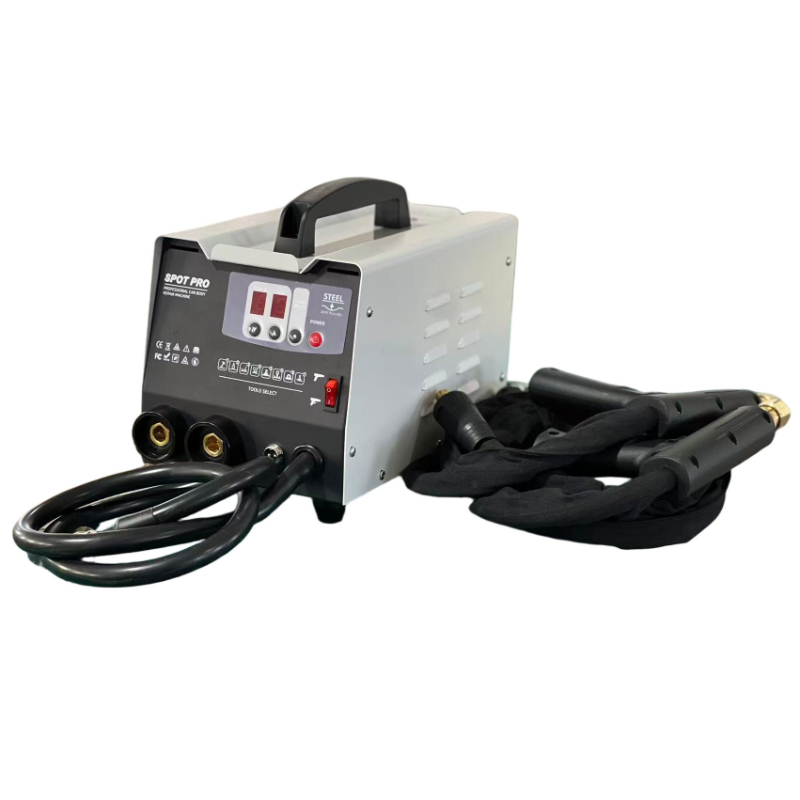
For more effective dent repair solutions, consider professional services or quality equipment from FUNISI to ensure the best possible outcome for your vehicle.
If you would like more information about this product, please feel free to contact us. Recommend other popular products for you.: Car Dent Puller Machine
A: Effective methods include Paintless Dent Repair (PDR), vacuum dent pulling, hot and cold treatment, specialized dent repair kits, and using a hair dryer with aluminum foil. Each method suits different dent types and sizes.
A: Consider the dent's size, location, and your skill level. PDR is ideal for small, shallow dents, while vacuum dent pulling suits larger ones. Assess the damage to select the most appropriate method.
A: Many small dent repairs can be done at home using DIY methods like PDR or specialized kits. However, for deep or complex dents, professional services are recommended to ensure optimal results.
A: After repairing, regularly wash and wax your vehicle to protect the paint and prevent future damage. Promptly addressing new dents will also help maintain its aesthetic appeal.
A: Quality dent repair tools and kits are available at automotive supply stores and online retailers. Ensure you choose products compatible with your vehicle's specifications and repair needs.
Previous: How to Start a Paintless Dent Repair Business
Next: Why Standard Rubber Hoses Fail Where PTFE Metal Flexible Hoses Excel
Copyright:@2020-2021

Comments Please sign in or sign up to post.
0
0 of 500 characters used