
In the evolving landscape of construction and manufacturing, the emergence of advanced materials like FRP (Fiber Reinforced Polymer) mortar pipes is revolutionizing the underground pipeline industry. As a leading FRP Mortar Pipe manufacturer, we recognize that the need for durable, lightweight, and corrosion-resistant materials is paramount. Traditional materials often succumb to environmental pressures, leading to costly repairs and replacements. The introduction of FRP mortar pipes addresses key pain points such as durability, weight, and installation complexity, providing a comprehensive solution for industries reliant on underground pipelines. By implementing FRP mortar technology, businesses can witness an increase in operational efficiency and significant cost savings, making it crucial for industry stakeholders to consider this innovation.
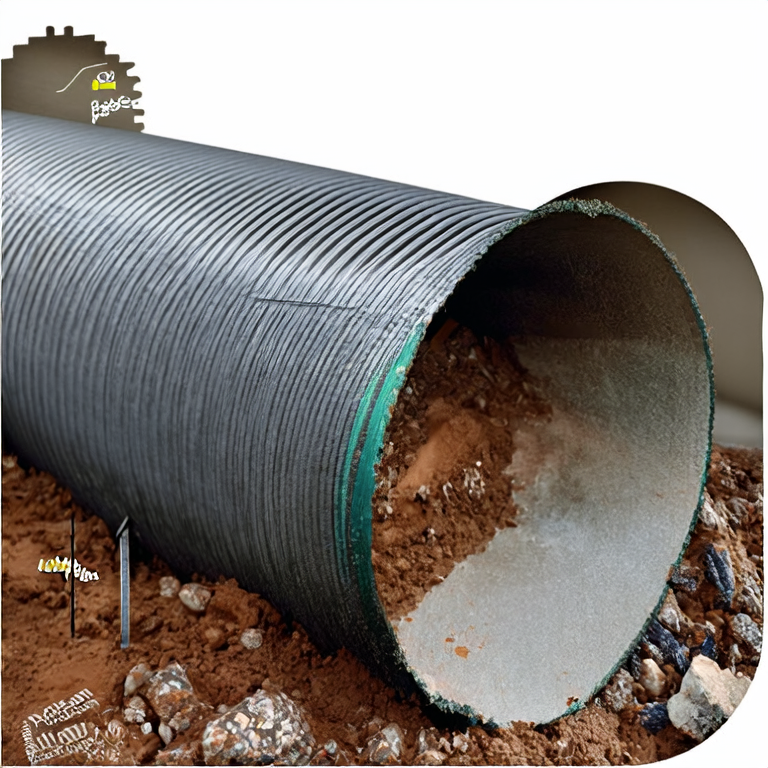
FRP mortar pipes are composite materials constructed from a blend of resins and fiber reinforcements. These materials not only contribute to the pipe's strength but also enhance its resistance to harsh environmental factors. The combination results in a lightweight yet robust pipe that boasts a tensile strength often exceeding that of traditional materials. In industry-specific terms, the tensile strength of FRP pipes can reach values of 200-300 MPa, ensuring longevity and reliability under pressure.
FRP mortar pipes have diverse applications across various industries. They are particularly valuable in:
Water Management: These pipes are highly effective in sewage and stormwater systems due to their resistance to chemical corrosion and lower permeability rates.
Telecommunications: The lightweight nature of FRP facilitates easy installation in complex infrastructure for fiber optic cables.
Oil and Gas Industry: The durability against high temperatures and pressures makes FRP preferred for transporting oil and gas without risk of leaks.
The versatility of FRP mortar pipes is a testament to their design, catering to both necessity and practicality in modern construction.
The importance of FRP mortar pipes cannot be overstated. Here are some of their key advantages:
Corrosion Resistance: FRP materials resist rot and degradation, even in aggressive chemical environments. A study by the American Concrete Institute showed that traditional concrete can degrade within 20 years, while FRP pipes can last over 50 years.
Weight Efficiency: FRP pipes are approximately 50-70% lighter than conventional steel pipes, allowing for easier handling and reduced transportation costs.
Cost-Effectiveness: Although the initial investment may be higher, FRP pipes lead to lower overall maintenance costs. Reports indicate that companies using FRP pipes can save up to 30% on maintenance due to their durability.
Easy Installation: The low weight also translates into simplified installation processes, reducing the need for heavy machinery and thus lowering labor costs.
For industries considering the transition to FRP mortar pipes, it is recommended to consult the user guide accompanying your product. Understanding the specifics of installation and maintenance will enhance the benefits of this innovative material. Brands like Pipezy offer comprehensive user manuals to facilitate this process. Ready to make the change? Explore the various options available and select a product that suits your operational needs.
Q: Are FRP mortar pipes suitable for drinking water applications?
A: Yes, FRP pipes are often used in potable water applications due to their non-reactive nature and resistance to biofilm growth, ensuring safe water delivery.
Q: What is the expected lifespan of FRP mortar pipes?
A: Properly installed and maintained FRP pipes can last over 50 years, offering a long-term solution compared to traditional materials.
Q: Can FRP pipes handle high temperatures?
A: Yes, FRP pipes maintain their structural integrity at temperatures up to 90°C (194°F), making them suitable for various applications in hot climates.
In summary, the integration of FRP mortar pipes into pipeline projects not only augments durability but also significantly enhances cost efficiency and operational performance. For further understanding or to trial Pipezy products, explore our offerings and take the next step in modernizing your underground pipeline infrastructure.
Previous: What Are the Types of Pot Magnets?
Copyright:@2020-2021

Comments Please sign in or sign up to post.
0
0 of 500 characters used