
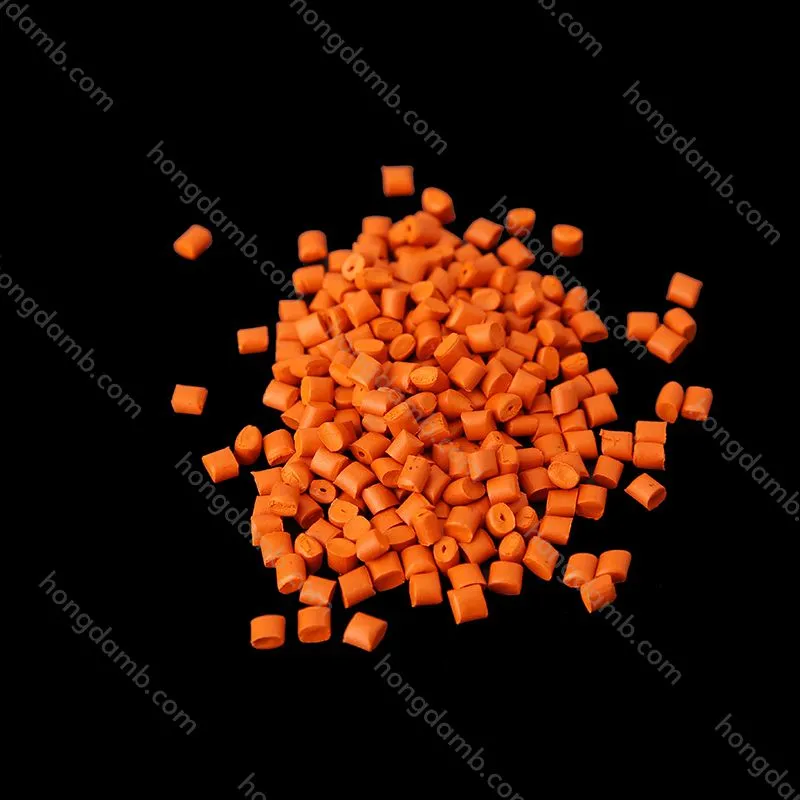
Desiccant masterbatch is a specialized additive used in the plastic manufacturing process, particularly for polymers like polyethylene and polypropylene. Its primary function is to absorb moisture and minimize humidity levels, making it an essential component in applications involving sensitive products. By integrating desiccant masterbatch into woven sack production, manufacturers can significantly enhance the durability and shelf-life of the packaging. This article will explore the practical implications of using desiccant masterbatch in woven sack manufacturing, addressing common queries and pain points from industry stakeholders.
The use of desiccant masterbatch in woven sack production offers several advantages:
Enhanced Moisture Control: Helps in preventing moisture-related degradation of the packed products.
Improved Shelf Life: Prolongs the lifespan of goods by maintaining optimal humidity levels.
Cost-Effective: Reduces the need for additional moisture barrier packaging.
Versatility: Suitable for various applications including food, chemicals, and pharmaceuticals.
Desiccant masterbatch operates through the following mechanisms:
Once added to the resin during the extrusion process, desiccant masterbatch absorbs moisture from the environment.
By maintaining a low humidity environment within the sack, the desiccant masterbatch ensures that the contents are protected from moisture damage.
The following table outlines the main differences between conventional masterbatch and desiccant masterbatch:
| Characteristic | Conventional Masterbatch | Desiccant Masterbatch |
|---|---|---|
| Function | Coloring and UV stabilization | Moisture absorption |
| Usage | General plastic products | Woven sacks, sensitive packaging |
| Cost Efficiency | Average | High due to long-term savings |
The addition of desiccant masterbatch in woven sack production can be summarized in the following steps:
Material Selection: Choose the right base resin.
Masterbatch Addition: Integrate the desiccant masterbatch into the resin.
Extrusion Process: Process the material through an extruder to form yarns.
Weaving: Weave the yarn into sacks.
Quality Control: Test the moisture control capacity.
For a visual representation of the application process, see the flowchart below:
Several manufacturers have reported substantial improvements in product longevity when using desiccant masterbatch. For example:
A leading manufacturer in the food industry noted a 35% reduction in spoilage rates after integrating desiccant masterbatch into their woven sacks.
Another study revealed that packed chemicals maintained optimal quality for 20% longer when using sacks infused with desiccant masterbatch.
In conclusion, desiccant masterbatch can effectively be used in woven sack production, yielding significant benefits related to moisture control and product longevity. By understanding its functionality and applying it correctly, manufacturers can enhance their product offerings. For more information on desiccant masterbatch options and to see how HongDa can assist you in your production needs, feel free to reach out.
Previous: Is desiccant masterbatch suitable for recycling plastics?
Next: Why Temporary Glass Protection Film Is Essential for Construction Safety
Copyright:@2020-2021

Comments Please sign in or sign up to post.
0
0 of 500 characters used