
Steel wire ropes are vital components in construction, mining, lifting, and industrial operations. Choosing the right rope type is critical for ensuring safety, efficiency, and longevity of equipment. The performance of a steel wire rope depends on its strand pattern and core type, which determine flexibility, strength, load-bearing capacity, and resistance to wear. This guide provides a comprehensive overview of the different types of steel wire ropes, helping engineers, procurement managers, and project planners make informed decisions.
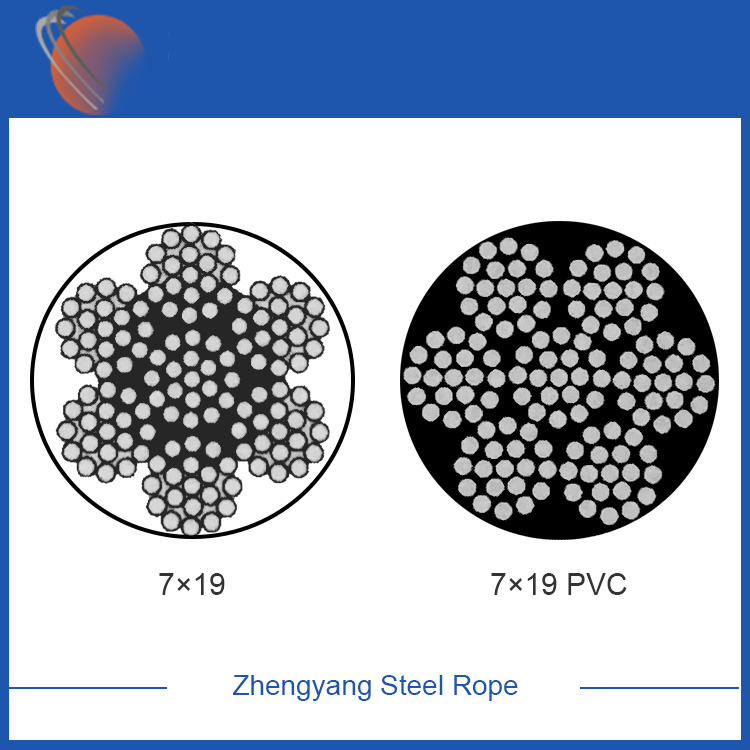
Basics of Steel Wire Rope Construction
A steel wire rope consists of multiple individual wires twisted together to form strands, which are then twisted around a core. This design provides high tensile strength while maintaining flexibility. Understanding the construction of the rope is essential for selecting the correct type for your project.
Key Components
Wires: Individual steel wires form the basic building blocks. The diameter, alloy composition, and surface finish affect rope strength and wear resistance.
Strands: Groups of wires twisted together, forming the outer structure. The number of wires per strand and the pattern impact flexibility and fatigue resistance.
Core: The central element supporting the strands. It can be a fiber core (FC), independent wire rope core (IWRC), or other materials, affecting load capacity, flexibility, and resistance to crushing.
Strand Patterns of Steel Wire Ropes
Strand patterns refer to the arrangement of wires in a strand and strands in a rope. Choosing the right pattern is crucial for balancing strength, flexibility, and abrasion resistance.
1. Ordinary Lay (Right or Left Lay)
Description: Strands are twisted in one direction, wires within strands twisted in the opposite direction.
Features: Balanced rope; reduces tendency to untwist under load.
Applications: General lifting, hoists, and cranes.
2. Lang Lay
Description: Strands and wires are twisted in the same direction.
Features: More flexible, higher fatigue resistance, improved wear life.
Applications: Draglines, elevators, winches, and situations requiring high bending over sheaves.
3. Seale Strand Pattern
Description: Outer wires are larger than inner wires.
Features: High abrasion resistance; less flexible than Warrington or Lang lay.
Applications: Heavy lifting, crane ropes, mining hoists.
4. Warrington Strand Pattern
Description: Alternating large and small wires on the strand surface.
Features: Better flexibility than Seale; balanced strength and abrasion resistance.
Applications: Cranes, elevators, and marine applications.
5. Filler Wire Pattern
Description: Smaller wires fill gaps between larger wires.
Features: Smooth surface, good wear resistance, moderate flexibility.
Applications: General lifting and industrial machinery.
6. Rotation-Resistant Patterns
Description: Specialized lay to minimize rope spinning under load.
Features: Prevents load rotation and twisting.
Applications: Crane lifts, heavy hoisting, elevator systems.
Core Types of Steel Wire Ropes
The core provides internal support, influencing rope flexibility, load capacity, and resistance to crushing. Choosing the right core is as important as selecting the strand pattern.
1. Fiber Core (FC)
Material: Natural or synthetic fibers (e.g., sisal, polypropylene).
Advantages: Flexible, absorbs lubrication well, reduces internal friction.
Limitations: Lower load capacity and less resistant to crushing.
Applications: Light to medium-duty lifting, general hoisting, and situations where flexibility is more critical than strength.
2. Independent Wire Rope Core (IWRC)
Material: Steel wire rope used as the core.
Advantages: Higher load capacity, superior crush resistance, longer service life.
Limitations: Less flexible than fiber core; slightly heavier.
Applications: Heavy-duty lifting, cranes, mining operations, and long-span hoists.
3. Polypropylene or Plastic Core
Material: Synthetic cores, sometimes filled with lubricant.
Advantages: Lightweight, corrosion-resistant, retains lubrication.
Limitations: Moderate load capacity, less crush-resistant than IWRC.
Applications: Marine environments, corrosive industrial settings.
Selecting the Right Combination
Choosing the ideal steel wire rope requires evaluating load requirements, environmental conditions, bending cycles, and safety factors.
Steps to Selection
Determine Load Capacity: Calculate maximum static and dynamic loads, including shock factors.
Assess Flexibility Needs: Consider the number of bends over sheaves, drums, or pulleys.
Evaluate Environmental Factors: Corrosive environments may require galvanized or stainless steel ropes with fiber or synthetic cores.
Consider Abrasion and Fatigue: Heavy wear surfaces favor Seale or rotation-resistant patterns; high bending cycles favor Lang lay patterns.
Check Safety Standards: Ensure compliance with ISO, ASTM, or EN standards for lifting operations.
Maintenance Considerations: Factor in lubrication, inspection protocols, and rope replacement intervals.
Benefits of Understanding Rope Types
Selecting the correct strand pattern and core type improves:
Operational Efficiency: Less downtime due to rope failure, smoother lifting operations.
Safety: Reduced risk of snapping, untwisting, or load rotation.
Cost-Effectiveness: Longer rope life reduces replacement frequency and maintenance costs.
Adaptability: Tailored solutions for cranes, elevators, marine lifts, or heavy industrial machinery.
Conclusion
Understanding the different types of steel wire ropes, their strand patterns, and core types is essential for ensuring safety, efficiency, and longevity in lifting and construction projects. By evaluating load, flexibility, environmental conditions, and maintenance needs, project managers and procurement professionals can make informed decisions to optimize operations.
For high-quality steel wire ropes with expertly designed strand patterns and core types tailored to your project requirements,Zhengyang Steel Rope Co., Ltd.offers reliable and durable solutions for global construction and industrial applications.
Previous: None.
Next: Wall Thickness and Schedule Standards for Seamless Carbon Steel Pipes in Industrial Use
Copyright:@2020-2021

Comments Please sign in or sign up to post.
0
0 of 500 characters used