
Pre-stressed concrete (PSC) is a high-performance structural system widely used in bridges, railway sleepers, precast girders, parking structures, and long-span buildings. By introducing compressive stress into concrete before service loads are applied, PSC effectively mitigates tensile cracking, improves load capacity, and enhances durability.
While tendons (pre-tensioning or post-tensioning systems) are the primary force-generating elements, connection systems and auxiliary fastening components play a critical supporting role in ensuring overall structural safety. In this context, torsional shear bolts are increasingly used in PSC-related assemblies—particularly in steel-to-concrete interfaces, anchorage hardware, segmental connections, and auxiliary structural systems.
This article explores how torsional shear bolts function within pre-stressed concrete applications, focusing on engineering principles, performance benefits, and practical selection considerations.
It is important to clarify that torsional shear bolts are not used to replace prestressing tendons. Instead, they are applied in complementary roles where reliable clamping and structural continuity are required.
Segmental Precast Construction
Joining precast PSC segments (e.g., bridge girders, tunnel linings)
Supporting alignment and temporary fixation during post-tensioning
Steel Anchorage and Bearing Assemblies
Fixing anchorage plates or bearing components
Ensuring stable load transfer between steel and concrete
Formwork and Temporary Support Systems
Securing reusable molds and casting frames
Maintaining alignment during curing
Hybrid Structural Connections
Steel brackets attached to PSC members
Equipment supports in infrastructure projects
In all these cases, torsional shear bolts contribute to connection reliability rather than prestressing force generation.
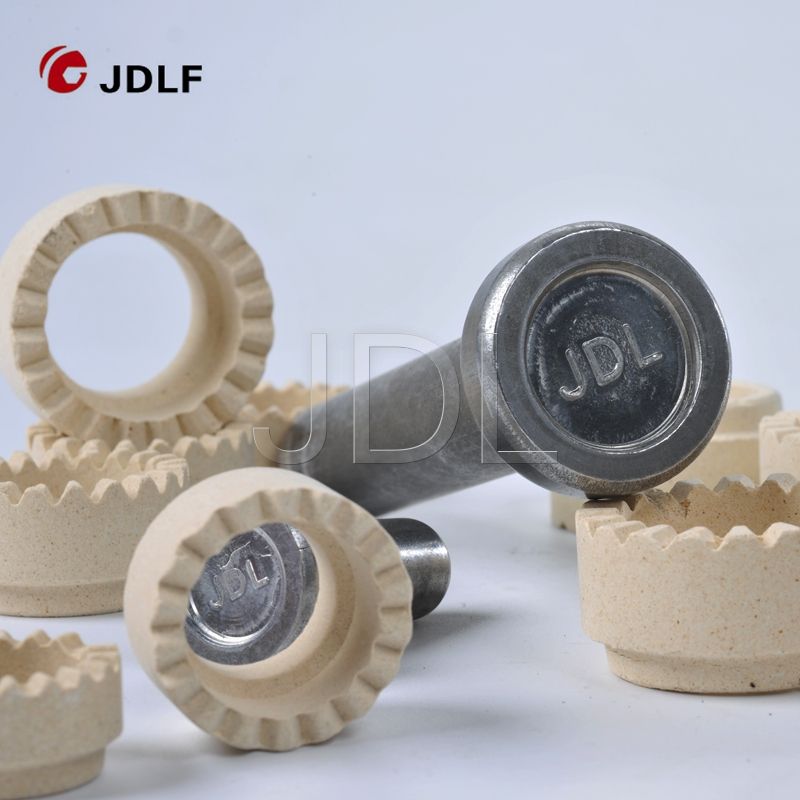
Torsional shear bolts provide a calibrated preload through their shear-off installation mechanism. This is particularly valuable in PSC systems where:
Precision alignment is critical
Uneven clamping can introduce stress concentrations
Structural tolerances are tightly controlled
Improved Contact Between Components
Ensures full bearing between steel plates and concrete surfaces
Reduces localized stress peaks
Enhanced Load Transfer
Promotes friction-based force transmission
Minimizes reliance on bolt shear capacity
Stability During Prestressing Operations
Maintains alignment while tendons are tensioned
Prevents shifting or misalignment of segments
Prestressing introduces significant compressive forces into the concrete, which affects how bolted connections behave.
Compression-Dominated Environment
High compressive stress improves friction between interfaces
Enhances effectiveness of preloaded bolted joints
Reduced Tensile Demand on Bolts
Properly designed PSC systems limit tensile stresses in connections
Bolts primarily maintain alignment and positioning
Load Redistribution
Prestressing can reduce demand on bolts under service loads
However, bolts must still handle construction-stage forces
Torsional shear bolts perform best when integrated into PSC systems as secondary load-sharing elements, not primary tension carriers.
During construction, PSC elements often experience conditions very different from their final service state.
Lifting and transportation of precast segments
Temporary assembly before prestressing
Alignment and positioning operations
Temporary Structural Stability
Hold segments in position before tendon stressing
Resistance to Handling Loads
Support shear and minor tensile forces during lifting
Alignment Control
Ensure precise geometry before final locking
Prevent misalignment that could compromise prestressing efficiency
Reduce need for rework or adjustment
PSC structures are often subjected to repetitive loading:
Traffic loads in bridges
Rail loads in sleepers
Wind and environmental effects
Stable Preload Reduces Fatigue Risk
Maintains friction-based load transfer
Limits cyclic stress in the bolt
Minimized Micro-Movement
Prevents fretting at interfaces
Reduces crack initiation
Uniform Load Sharing
Ensures multiple bolts contribute evenly
Improved durability of connections and reduced maintenance requirements.
PSC structures are often exposed to aggressive environments:
Chloride-rich conditions (marine bridges, de-icing salts)
High humidity in tunnels
Chemical exposure in industrial facilities
Corrosion reduces bolt cross-section
Weakens preload over time
Leads to potential connection failure
Coatings
Hot-dip galvanization
Zinc flake coatings for stable friction
Material Selection
Alloy steel with corrosion-resistant treatments
Stainless options for critical zones
Design Measures
Proper drainage
Sealing of connection areas
In PSC systems, bolts often interact with embedded steel components.
Tolerance Control
Precast elements require tight dimensional accuracy
Thread Engagement
Ensure full engagement without interference
Avoiding Concrete Damage
Prevent excessive localized stress near embedded plates
Always verify alignment before tightening
Avoid forcing bolts into misaligned holes
Pre-stressed concrete construction often relies on prefabrication and rapid on-site assembly.
Fast Installation
No need for torque calibration checks
Ideal for repetitive assembly tasks
Consistency
Shear-off mechanism ensures uniform preload
Reduced Labor Dependency
Less reliance on highly skilled operators
Faster assembly of precast segments
Reduced installation errors
Improved overall productivity
While beneficial, torsional shear bolts must be used appropriately.
Not suitable for direct prestressing force transfer
Single-use only (cannot be reused)
Sensitive to installation alignment
Use bolts primarily for positioning and clamping
Ensure compatibility with prestressing hardware
Verify load paths during both construction and service stages
Solution: Use alignment pins before bolt installation
Solution: Verify joint condition and consider re-inspection protocols
Solution: Upgrade coating system and apply sealing measures
Solution: Ensure proper lifting design and load distribution
Torsional shear bolts play a valuable supporting role in pre-stressed concrete applications by ensuring reliable connections, maintaining alignment, and enhancing structural stability during both construction and service stages. While they do not replace prestressing systems, their ability to deliver consistent preload and resist dynamic effects makes them an important component in modern PSC engineering.
From segmental assembly and anchorage support to hybrid steel-concrete interfaces, torsional shear bolts contribute to safer, more efficient, and more durable structures when properly specified and installed.
For high-performance fastening solutions in demanding pre-stressed concrete projects, JDELI provides torsional shear bolts engineered for precision, durability, and consistent performance across critical structural applications.
Previous: Shake Screen Plugs: How to Repair Damaged Mesh Without Replacing the Panel
Next: None.
Copyright:@2020-2021

Comments Please sign in or sign up to post.
0
0 of 500 characters used