
Choosing the right industrial shredder is crucial for optimizing waste processing operations. Dual-shaft and quad-shaft shredders are two popular options, each offering distinct advantages depending on the application. This guide provides a comprehensive comparison to help you make an informed decision.
Dual-shaft shredders feature two counter-rotating shafts equipped with interlocking blades. This design allows for high torque at low speeds, making them ideal for handling bulky and tough materials.
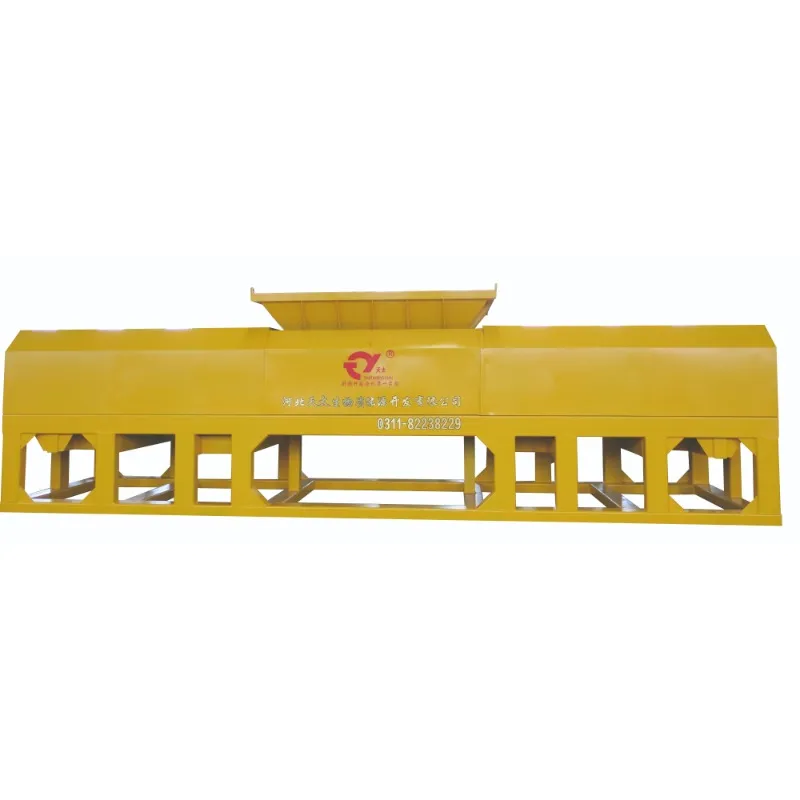
Shearing Type Double-Shaft Shredder
High Torque, Low-Speed Operation: Efficiently processes large volumes of material with minimal heat generation.
Versatility: Suitable for a wide range of materials, including plastics, metals, wood, and e-waste.
Cost-Effective: Generally more affordable and easier to maintain compared to quad-shaft models.
Municipal solid waste (MSW) processing
Plastic and metal recycling
Wood and biomass reduction
Electronic waste (e-waste) recycling
Quad-shaft shredders are equipped with four interlocking shafts that rotate at low speeds. This configuration provides enhanced shredding capabilities, especially for materials requiring uniform particle sizes.
Uniform Particle Size: Produces consistent output, ideal for applications requiring specific particle sizes.
High Throughput: Capable of handling large volumes of material efficiently.
Advanced Technology: Often includes features like sizing screens and advanced control systems.
Medical waste processing
Electronic waste (e-waste) recycling
Industrial waste management
Processing of materials requiring fine particle sizes
When selecting between dual-shaft and quad-shaft shredders, consider the following factors:
| Feature | Dual-Shaft Shredder | Quad-Shaft Shredder |
|---|---|---|
| Number of Shafts | 2 | 4 |
| Shredding Speed | Low | Low |
| Particle Size Consistency | Variable | High |
| Throughput Capacity | Moderate | High |
| Maintenance | Lower | Higher |
| Cost | Lower | Higher |
To determine the best shredder for your application, assess the following:
Material Type: Consider the nature of the materials you intend to shred.
Desired Particle Size: Determine if uniform particle size is essential for your process.
Volume Requirements: Estimate the volume of material to be processed.
Budget Constraints: Evaluate the total cost of ownership, including maintenance and energy consumption.
Both dual-shaft and quad-shaft shredders have their unique advantages. Dual-shaft shredders offer versatility and cost-effectiveness, making them suitable for a broad range of applications. In contrast, quad-shaft shredders provide enhanced performance for specific tasks requiring uniform particle sizes and high throughput.
For businesses aiming to optimize waste processing operations, selecting the appropriate shredder is paramount. Consider the specific requirements of your application to choose the shredder that best aligns with your operational goals.
Previous: How Does a Cold Drawing Machine Improve Metal Precision Without Heat?
Next: None.
Copyright:@2020-2021

Comments Please sign in or sign up to post.
0
0 of 500 characters used