
In an era where efficiency and sustainability stand as paramount goals across industries, the busway trunking systems have emerged as a cornerstone for facilitating robust power distribution. These systems not only play a crucial role in enhancing operational effectiveness in various sectors—particularly in commercial and energy industries—but they are also pivotal in driving innovations that promise to reshape the future of infrastructure as we know it.
As the world anticipates a transition towards cleaner energy and advanced technology, understanding the trends influencing busway trunking systems becomes essential. This report delves deep into the cutting-edge technologies revolutionizing these systems, spotlighting market hotspots, and evaluating the impact of these advancements on industry competitiveness.
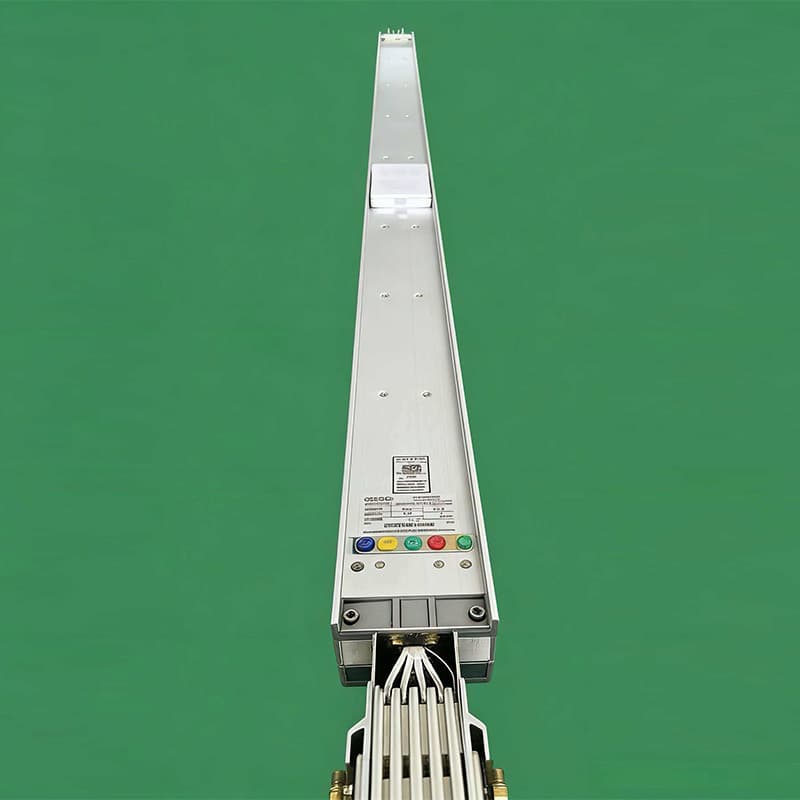
Busway trunking systems are electrical power distribution systems featuring a series of conductors housed within a protective casing. Unlike traditional cabling methods, these systems provide numerous advantages, including:
Space Efficiency: Busway trunking systems are designed for compact installations, enabling significant space savings within commercial buildings and energy facilities.
Ease of Installation and Modification: The modular designs facilitate quick installation, disassembly, or modifications to adapt to changing power requirements.
Reduction in Electrical Losses: These systems minimize electrical losses due to their design, which allows for more efficient power transport over long distances.
With these attributes, busway trunking systems are steadily evolving to meet the demands of modern infrastructure.
Sustainability Focus: As global efforts intensify to combat climate change, there’s a marked shift toward sustainable materials in busway manufacturing. Companies increasingly utilize recyclable or eco-friendly materials, which contribute to lower carbon emissions and a reduced ecological footprint.
Smart Technologies: The integration of Internet of Things (IoT) technologies within busway trunking systems is gaining momentum. Smart sensors allow for real-time monitoring of electrical loads, enabling proactive maintenance and energy management. This innovation empowers companies to optimize their energy consumption and minimize waste.
Enhanced Safety Features: Safety remains a top concern in electrical distribution. The latest busway systems incorporate advanced safety measures, such as arc detection and fire-resistant materials, which significantly mitigate emergency risks. By ensuring safer operational environments, organizations can boost productivity and employee confidence.
Modularity and Flexibility: With the rising trend of customizable layouts and expansion capabilities, modern busway trunking systems are designed to adapt to dynamic business environments. These flexible systems can grow alongside businesses, aligning energy distribution with evolving operational needs.
Cost-Effective Solutions: Rising operational costs in energy-dependent industries have catalyzed the demand for cost-effective power distribution solutions. Busway systems reduce the overall cost of ownership through lower installation and maintenance costs, alongside decreased energy losses.
The busway trunking system market is populated by several key players, each vying to lead through innovations and improved service offerings:
Siemens: A front-runner in intelligent electrical distribution systems, Siemens is focusing on enhancing the connectivity features of its busway systems, enabling predictive maintenance through IoT integration. Their recent product launch of the 8PT busway line features advanced monitoring capabilities, placing an emphasis on energy efficiency.
Schneider Electric: The company is investing heavily in sustainable manufacturing processes for its busway trunks. Their commitment to sustainability is reflected in their EcoStruxure solutions, which integrate energy management with busway systems for optimal performance.
Eaton: Recognized for safety enhancements, Eaton has introduced busway systems that meet stringent safety certifications. Their innovations, including thermal imaging for risk detection and management, position them as leaders in safety-focused electrical distribution.
ABB: ABB is pushing boundaries with digital innovations. Their latest offerings include real-time monitoring solutions that provide operational insights and historical data analytics, enhancing operational transparency across sectors.
Regions that exhibit substantial growth potential for busway trunking systems include:
North America: With a strong push towards renewable energy infrastructure, North America is a critical market. States are mandating more efficient energy distribution solutions for new commercial buildings, making the adoption of busway systems more attractive.
Asia-Pacific: Rapid industrialization and urbanization are driving power demand in Asia-Pacific. Countries like India and China are focused on expanding their power infrastructure, making them hotspots for busway trunking innovation.
Europe: The European Union’s Green Deal emphasizes sustainability, prompting a surge in renewable energy projects. This will likely result in greater adoption of busway systems that are adaptable to renewable energy sources.
Businesses vested in the commercial and energy sectors must stay proactive in embracing the latest innovations in busway trunking systems. To maintain competitive advantages and ensure sustainability, organizations should consider the following strategies:
Invest in Flexible Infrastructure: Companies should prioritize modular busway systems that can be easily adapted to future power requirements, providing them with scalability as their operations evolve.
Embrace Smart Technologies: Implementing IoT-enabled busway systems can enhance operational efficiency and foster predictive maintenance, ultimately leading to reduced downtime and energy costs.
Prioritize Safety and Sustainability: As regulatory environments become increasingly stringent, businesses must integrate safety features and adopt materials that align with sustainability goals to protect against potential liabilities and environmental impacts.
Monitor Industry Developments: Keeping an eye on emerging technological advancements and market shifts in busway trunking systems can help organizations adapt their strategies in real time, allowing them to stay ahead of competitors.
The future of busway trunking systems in the commercial and energy sectors harbors exciting opportunities shaped by technological innovation, sustainability, and design advancements. Staying informed about current trends and market hotspots while embracing these developments will be crucial in enhancing competitive edges for organizations across industries.
As this dynamic landscape continues to evolve, embracing the transformation of power distribution will not only mitigate operational risks but will also foster greener, smarter infrastructure solutions. For industry professionals, the call to action is clear: be proactive, innovative, and ready to adapt in order to thrive in the changing landscape of electrical distribution.
Previous: What Capacity Battery Storage System Does a Factory Need
Next: Solar Power Cost Transparency: Generator Pricing, Installation Fees & Home System Investments
Copyright:@2020-2021

Comments Please sign in or sign up to post.
0
0 of 500 characters used