
When sourcing from an oem work jackets manufacturer, reflective tape standards are not just a technical detail—they directly affect worker safety, compliance, and procurement risk.
For industries such as construction, roadwork, and industrial maintenance, high-visibility work jackets must meet strict requirements to ensure visibility in low-light and high-risk environments.
Inconsistent reflective tape quality can lead to:
Failed compliance inspections
Increased safety risks
Product returns or replacement costs
For B2B buyers, understanding reflective tape standards is essential to selecting a supplier that can deliver stable bulk quality, certification support, and long-term reliability.
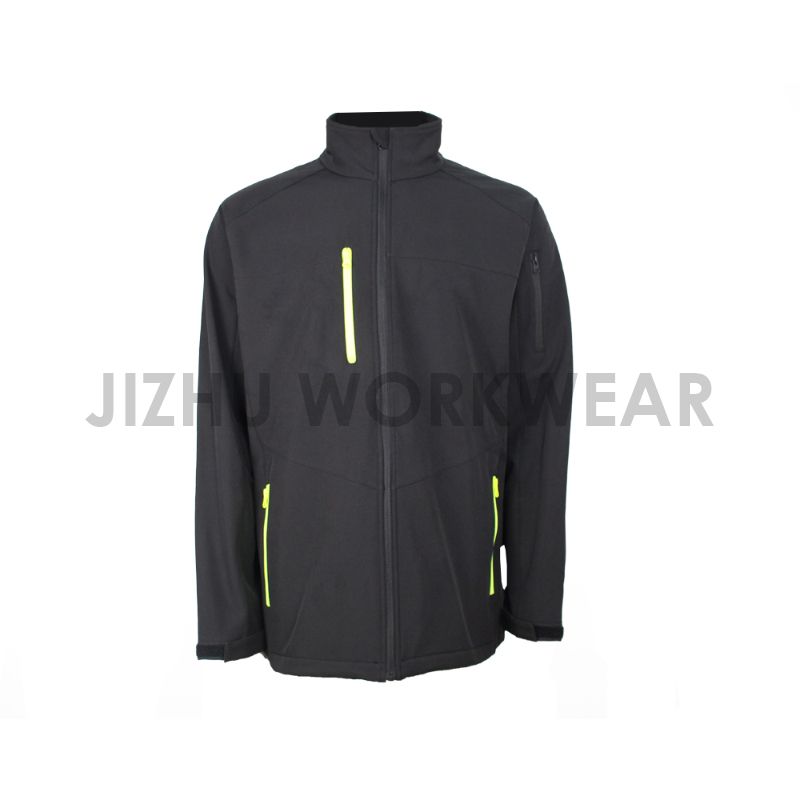
Reflective tape standards for OEM safety work jackets ensure garments meet visibility, durability, and compliance requirements in industrial environments.
Key factors include:
Brightness performance
Durability under washing and weather exposure
Correct application methods
Compliance with ANSI/ISEA 107 (North America) and EN ISO 20471 (Europe)
For bulk buyers, meeting these standards is critical for both worker safety and project compliance.
Reflective tape must meet minimum brightness (retroreflectivity) requirements to ensure visibility at night or in poor weather conditions.
Typical performance levels:
≥ 330–500 cd/lx/m², depending on certification class
► For buyers supplying to EU markets, brightness must align with EN ISO 20471 Class 1/2/3 requirements.
Low-quality reflective tape may look bright initially but degrade quickly, leading to compliance failure after use.
Durability is a key concern in OEM workwear procurement.
Reflective tape must resist:
Repeated washing cycles
Rain and humidity
Abrasion in industrial environments
Reliable suppliers conduct:
Wash tests
Adhesion tests
Aging tests
► For B2B buyers, durability directly affects total cost of ownership, not just unit price.
Even high-quality reflective tape can fail if applied incorrectly.
Critical factors include:
Correct temperature and pressure during heat application
Proper bonding on different fabrics (PU, polyester, etc.)
Reinforcement in high-stress areas (shoulders, arms, chest)
► In bulk production, process control is essential to ensure consistent performance across all units, not just samples.
Compliance requirements vary by market:
ANSI/ISEA 107 → North America
EN ISO 20471 → Europe
These standards define:
Reflective tape placement
Coverage area
Performance requirements
► A reliable supplier should support:
Material testing
Finished garment testing
Certification under buyer’s brand
Visibility depends not only on reflective tape, but also on contrast with the base fabric.
Typical combinations:
Silver reflective tape on fluorescent yellow or orange fabric
High contrast between background and reflective elements
► Poor contrast reduces visibility during daytime and transitional lighting conditions.
Even compliant products require proper maintenance.
Best practices:
Regular inspection for peeling or damage
Replace garments that fail visibility standards
Conduct checks in high-risk environments
► For contractors and distributors, this reduces liability and ensures ongoing compliance.
For B2B buyers, reflective tape standards are a critical factor when evaluating an oem work jackets manufacturer.
Key considerations include:
Brightness performance
Durability under real working conditions
Correct application processes
Compliance with ANSI/ISEA 107 and EN ISO 20471
More importantly, buyers should choose suppliers who can ensure:
• Stable bulk production quality
• Testing and certification support
• Consistent performance across orders
This not only improves worker safety but also reduces procurement risks and supports long-term cooperation.
Previous: None.
Next: The Role of a Knitted Fabric Manufacturer in Sustainable Fashion
Copyright:@2020-2021

Comments Please sign in or sign up to post.
0
0 of 500 characters used