
Cornice plaster, a decorative architectural element used to conceal the junction between walls and ceilings, demands materials that ensure both aesthetic appeal and structural integrity. Among the critical additives transforming modern construction practices, Hydroxypropyl Methyl Cellulose (HPMC) emerges as a game-changer. This article explores how HPMC optimizes cornice plaster applications, its benefits, and why it’s become indispensable in the construction industry.
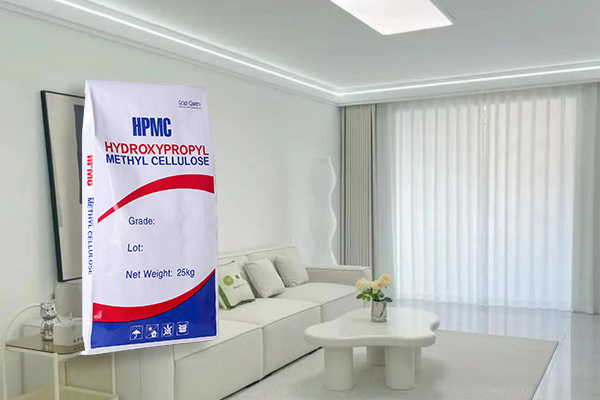
Hydroxypropyl Methyl Cellulose (HPMC) is a non-ionic cellulose ether derived from natural wood pulp. Chemically modified to enhance its properties, HPMC acts as a thickener, binder, and water-retaining agent. Its versatility spans industries, from pharmaceuticals to food, but its role in construction—particularly in cornice plaster—is unparalleled.
Cornice plaster requires precise consistency, adhesion, and workability. HPMC addresses these needs through:
Water Retention: Prevents premature drying, allowing cement to hydrate fully. This reduces cracks and enhances hardened strength.
Rheology Control: Adjusts viscosity for smooth application, preventing sagging on vertical surfaces.
Adhesion Enhancement: Strengthens bonding between plaster and substrates, reducing delamination risks.
Crack Resistance: Improves elasticity, minimizing shrinkage-induced cracks during curing.
HPMC’s thickening properties ensure plaster mixes are cohesive and easy to spread. Workers achieve smoother finishes with minimal effort, accelerating installation.
By slowing moisture loss, HPMC extends the “open time” of plaster. This allows craftsmen to refine details without rushing, crucial for intricate cornice designs.
Plaster reinforced with HPMC resists weathering, humidity, and mechanical stress. Cornices retain their structural integrity and appearance longer.
HPMC is non-toxic and biodegradable, aligning with sustainable construction trends. It reduces waste by minimizing material rejection due to poor workability.
Selecting the optimal HPMC grade depends on:
Viscosity: Lower viscosity (e.g., 10,000 cPs) suits thin coatings; higher viscosity (e.g., 100,000 cPs) is ideal for thick mortars.
Gel Temperature: Determine the operating temperature range. For hot climates, high gel-temperature HPMC prevents premature gelling.
Particle Size: Finer powders dissolve faster, critical for cold-weather applications.
Dosage: Typically 0.2–0.6% of dry mix weight.
Mixing: Disperse HPMC in water before adding cement/sand. Avoid clumping by using high-speed mixers.
Storage: Keep in dry conditions to prevent moisture absorption.
Q1: Can HPMC replace traditional additives like lime?
Yes, HPMC offers superior water retention and adhesion without altering plaster color or texture.
Q2: Is HPMC compatible with all cement types?
Yes, it works with Portland, gypsum, and lime-based plasters.
Q3: Does HPMC affect plaster setting time?
It slightly delays setting by controlling water release, but this is beneficial for workability.
Hydroxypropyl Methyl Cellulose (HPMC) has redefined cornice plaster applications by merging performance with sustainability. Its ability to enhance workability, durability, and adhesion makes it a must-have additive for modern construction. As architects and builders prioritize efficiency and longevity, HPMC for Cornice Plaster stands out as the ultimate solution.
Copyright:@2020-2021

Comments Please sign in or sign up to post.
0
0 of 500 characters used