
Dehumidifiers play a vital role in maintaining a comfortable home environment. When they stop working efficiently, it can lead to excess moisture, mold, and musty odors. Recognizing the signs of a failing dehumidifier helps you act before costly damage occurs.
One of the most obvious signs of a bad dehumidifier is an empty tank. If your unit runs for hours yet collects no water, it is no longer removing humidity from the air. This could be due to a blocked filter, a faulty compressor, or simply an expired lifespan.
A healthy dehumidifier usually hums quietly. Loud rattling, buzzing, or grinding noises indicate worn-out fan blades, loose components, or internal damage. Ignoring these sounds can lead to complete breakdown.
While some warmth is normal, a failing dehumidifier may overheat. If the body feels hotter than usual, it could be struggling to function properly. Overheating not only reduces efficiency but also poses a safety risk.
A working dehumidifier should reduce musty smells caused by mold and mildew. If odors remain despite regular use, your unit may not be pulling enough moisture from the air. This often signals compressor failure or clogged coils.
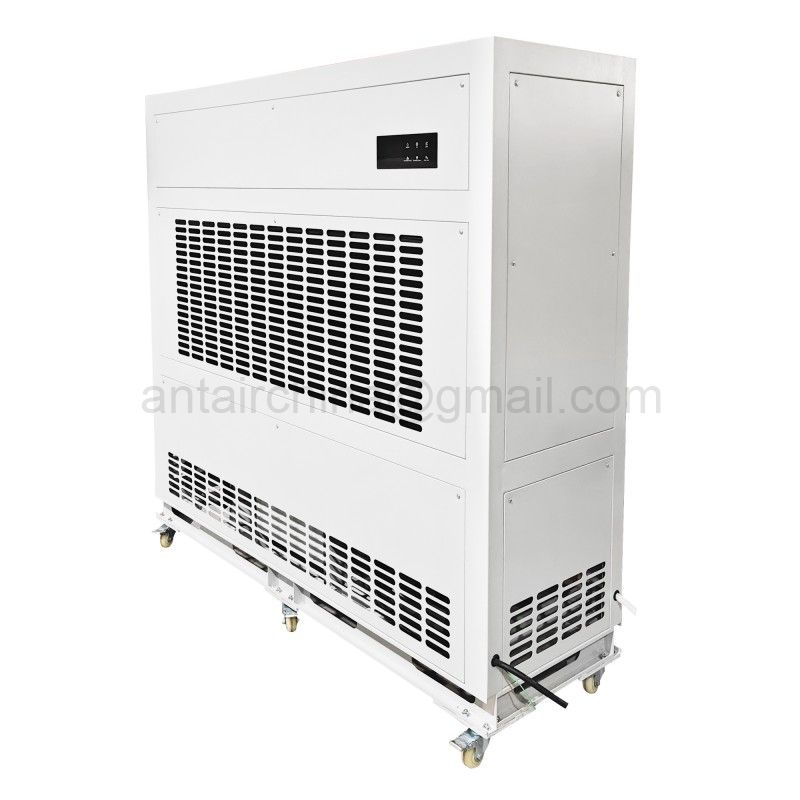
When the coils freeze, airflow becomes restricted. Frost buildup usually points to low refrigerant levels or a defective fan motor. If not fixed, the machine will eventually stop functioning.
Leaking water is another red flag. A cracked tank, damaged hose connection, or clogged drain line prevents proper water disposal. Left unchecked, leaks can cause floor damage and increase indoor humidity.
Modern dehumidifiers often show error codes or flashing lights. Ignoring these alerts can shorten the lifespan of your machine. Always check the manual to understand what the warning means and take quick action.
If your indoor space still feels damp after long hours of operation, the dehumidifier may have lost its efficiency. A bad sensor, worn compressor, or electrical issue could be the culprit.
Some issues like clogged filters or blocked drains are easy to fix. However, problems with the compressor, coils, or refrigerant often mean replacement is the better choice. Most dehumidifiers last 5 to 10 years with proper care.
Recognizing early warning signs of a failing dehumidifier saves time and money. Check for unusual noises, poor water collection, and reduced humidity control. When major parts fail, replacing the unit ensures better efficiency and long-term comfort.
Previous: What is a fully welded ball valve?
Copyright:@2020-2021

Comments Please sign in or sign up to post.
0
0 of 500 characters used