
In industries such as pharmaceuticals and food service, maintaining optimal temperatures during storage is crucial. Many users grapple with challenges like temperature fluctuations and energy inefficiency, which ultimately affect their products' integrity. By implementing Metal Vacuum Insulation Panels, one can significantly enhance cold storage efficiency. These panels can cut energy consumption for refrigeration by up to 60%, while reducing temperature loss to less than 1-degree Celsius over extended periods. In this article, we will explore the transformative impact of metal vacuum insulation on cold storage efficiency through real-life user experiences.
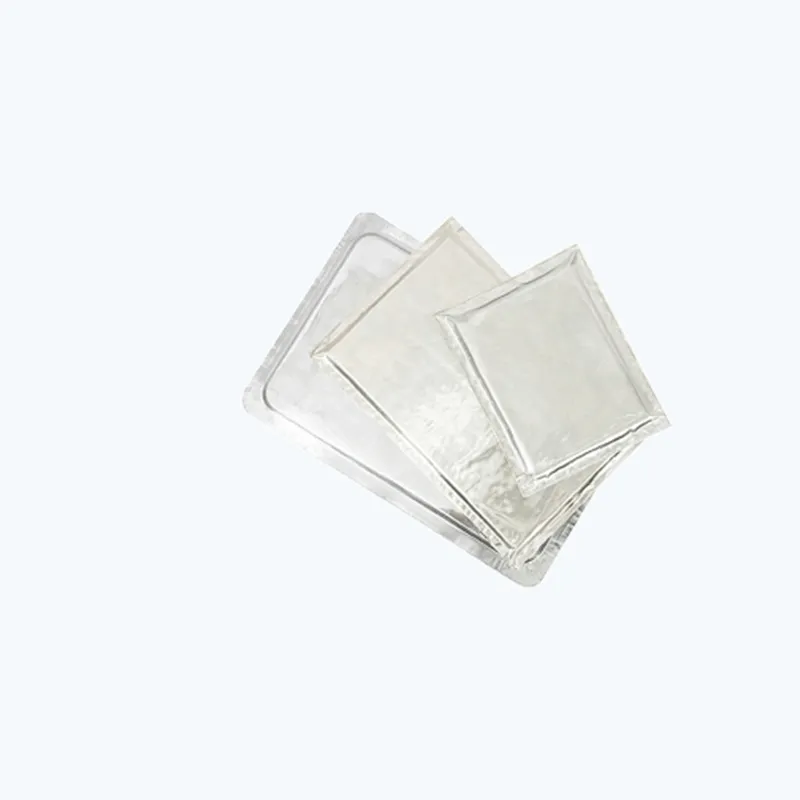
Metal vacuum insulation panels (MVIPs) are engineered materials designed to minimize heat transfer. With an insulation value (R-value) that can exceed 50, compared to traditional insulating materials that average around R-13, MVIPs offer a level of performance that can effectively answer the needs of modern cold storage solutions. For instance, Jane, a food service manager at a large restaurant chain, switched to MVIPs in her refrigeration units and observed a 40% increase in energy efficiency within the first month.
Detailed Tutorials: Gather tutorials from industry experts that outline best practices for the installation of MVIPs.
Materials Needed: Ensure you have the MVIPs, adhesive materials, and temperature monitoring devices at hand.
Tools or Prerequisites: Prepare tools such as insulation cutters, adhesive applicators, and safety gear.
Step 1: Assess Your Cold Storage Needs - Evaluate the size and current insulation of your cold storage units.
Step 2: Choose the Right MVIPs - Select panels that fit your specific thermal requirements.
Step 3: Clean the Surface - Ensure surfaces of the cold storage area are clean and free from moisture.
Step 4: Cut Panels to Size - Using your insulation cutter, trim the MVIPs to fit the designated area of your cold storage unit.
Step 5: Apply Adhesive - Apply an even layer of adhesive to the backs of the MVIPs and the installation area.
Step 6: Position Panels - Carefully place the MVIPs against the wall or ceiling, ensuring there are no gaps.
Step 7: Seal Edges - Use additional sealant to ensure a snug fit at the edges, preventing air infiltration.
Step 8: Monitor Temperature - After installation, continuously monitor the temperature to verify performance improvements.
Error: Inadequate Surface Preparation - Ensure surfaces are fully clean and dry prior to panel application to avoid adhesion failure.
Solution: Use industrial-grade cleaners.
Error: Incorrect Panel Sizing - Failing to accurately measure can lead to unnecessary gaps.
Solution: Double-check measurements before cutting.
Error: Lack of Monitoring - After installation, failing to monitor temperatures may yield undetected inefficiencies.
Solution: Implement IoT solutions for real-time temperature tracking.
Adopting metal vacuum insulation panels significantly enhances cold storage efficiency by actively combating heat transfer. Users like Jane who have transitioned to using MVIPs report impressive energy savings and improved product safety. As industries continue to push for efficient, eco-friendly solutions, MVIPs, like those offered by HIGH TECH VIP, become invaluable assets to cold storage facilities.
Previous: Galvanized welded wire mesh
Next: The Flourishing Market of Color-Coated Sheets: Transforming Industries with a Splash of Color
Copyright:@2020-2021

Comments Please sign in or sign up to post.
0
0 of 500 characters used