
Cable glands are critical components in electrical and industrial applications, serving as the interface between cables and equipment. They provide secure entry points, protect internal connections, and ensure the integrity of electrical systems across industries ranging from manufacturing and energy to telecommunications and marine engineering. This comprehensive guideline explores every key dimension of cable glands, offering technical insights, selection criteria, and installation best practices to help engineers, procurement teams, and maintenance professionals make informed decisions.
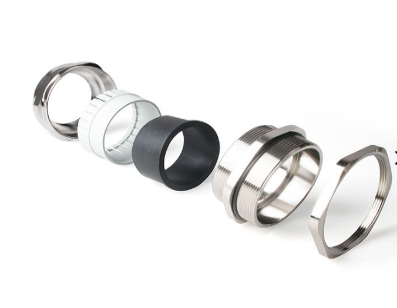
A cable gland, sometimes referred to as a cable connector or strain relief, is a mechanical device designed to attach and secure the end of an electrical cable to equipment. Its primary purpose is to maintain the enclosure’s ingress protection (IP) rating, provide strain relief, and seal the cable against dust, moisture, and other environmental hazards. Cable glands are used in a wide range of applications, from indoor control panels to offshore oil rigs, ensuring both mechanical stability and electrical safety.
Cable glands perform multiple functions that are essential for reliable electrical installations:
Sealing and Environmental Protection: Prevents the ingress of dust, water, chemicals, and explosive gases.
Strain Relief: Reduces mechanical stress on cables to avoid disconnections or internal damage.
Earthing and Bonding: In metallic glands, provides grounding to maintain electrical safety and prevent electromagnetic interference.
Maintaining IP/NEMA Ratings: Ensures enclosures retain their rated protection levels, such as IP68 or NEMA 4X.
Mechanical Support: Stabilizes the cable entry point, preventing bending or twisting during operation.
Cable glands are available in a wide variety of designs to suit different cable types and environmental conditions. Common categories include:
Brass Cable Glands: Excellent mechanical strength and corrosion resistance, suitable for industrial and outdoor applications.
Stainless Steel Glands: Ideal for harsh environments, including marine and chemical processing industries.
Plastic/Nylon Glands: Lightweight and cost-effective, commonly used for indoor applications and light-duty equipment.
Aluminum Glands: Suitable for lightweight installations where moderate protection is required.
Armored Cable Glands: Designed to terminate armored cables, providing both electrical continuity and mechanical retention.
Non-Armored Cable Glands: Used with flexible, unarmored cables where grounding is not required.
EMC Cable Glands: Provide electromagnetic shielding for sensitive electronic applications.
Explosion-Proof Glands (Ex d/Ex e): Certified for use in hazardous areas such as oil & gas or chemical plants.
Choosing the correct cable gland is critical for maintaining system integrity. Consider the following parameters:
Cable Diameter Range: The gland must fit the cable’s outer diameter to ensure a proper seal.
Thread Type and Size: Match the equipment’s thread specification (metric, NPT, PG, BSP).
Ingress Protection (IP) Rating: For outdoor or wet environments, an IP68 or higher rating is recommended.
Operating Temperature: Ensure the gland material can withstand the system’s temperature range.
Material Compatibility: Avoid galvanic corrosion by matching gland materials with enclosure materials.
Certification Requirements: Applications in explosive atmospheres require ATEX, IECEx, or UL certifications.
Reliable cable glands comply with international standards to ensure safety and performance:
IEC 62444 – Requirements for cable glands.
EN 60079-0/1/7 – Standards for explosion-proof equipment.
UL 514B – U.S. standard for conduit fittings.
RoHS & REACH Compliance – Environmental safety requirements for materials.
Procurement teams should always verify certifications when sourcing glands for critical installations.
Proper installation is as important as correct selection. Follow these best practices:
Inspect the Cable: Check for any physical damage or irregularities before installation.
Prepare the Gland: Ensure the sealing ring and locknut are correctly positioned.
Torque Control: Use a calibrated torque wrench to tighten according to manufacturer specifications to avoid overtightening or under-tightening.
Check the Seal: After installation, confirm that the cable is secure and the enclosure maintains its rated IP/NEMA protection.
Periodic Maintenance: Inspect glands regularly for wear, corrosion, or loosening, especially in high-vibration environments.
Cable glands are indispensable in a variety of sectors:
Industrial Automation: Control cabinets, robotic equipment, and factory automation systems.
Renewable Energy: Solar arrays, wind turbines, and energy storage systems.
Oil & Gas: Hazardous zones requiring explosion-proof protection.
Marine and Offshore: Saltwater-resistant stainless steel glands for ships and offshore platforms.
Telecommunications: Outdoor base stations and fiber optic installations.
The market for cable glands is evolving with advancements in materials and design:
Smart Cable Glands: Integrated sensors for monitoring temperature and moisture.
High-Performance Polymers: Enhanced resistance to UV, chemicals, and extreme temperatures.
Tool-Free Installation Designs: Quick-connect glands reduce installation time and labor costs.
These innovations are shaping the future of cable management in industries moving toward automation and predictive maintenance.
For industrial procurement teams and OEMs, bulk purchasing requires careful evaluation:
Supplier Reliability: Partner with manufacturers who offer consistent quality and full certification.
Customization Options: Look for suppliers who provide customized thread sizes, materials, or colors for specialized applications.
Cost vs. Performance: While price is a factor, prioritize performance and durability to minimize downtime and maintenance costs.
Global Logistics Support: Ensure your supplier offers timely delivery and technical support across different regions.
Previous: How to Source Sewage Pumps Directly from Manufacturers
Next: How to Properly Install and Maintain a High-Pressure Swivel Elbow?
Copyright:@2020-2021

Comments Please sign in or sign up to post.
0
0 of 500 characters used