
For facility managers, contractors, and industrial project procurement teams, sourcing sewage pumps directly from manufacturers like Chongmu presents a significant opportunity to enhance operational efficiency and reduce costs. The challenge lies in ensuring reliability, cost-effectiveness, and swift delivery of pumps tailored for specific applications such as wastewater management or sewage treatment. Addressing these pain points can improve project timelines and operational sustainability, making it vital to understand how to navigate the procurement process effectively.
Sewage pumps, primarily designed for the transport of waste and effluent, commonly feature two main types: centrifugal and submersible. A centrifugal pump manufacturer typically uses an impeller to impart velocity to the liquid, while submersible pumps work underwater to push waste to treatment facilities. Key terminologies include:
Flow Rate: Measured in gallons per minute (GPM), this defines how quickly the pump can discharge waste. For reliable operations, a flow rate of at least 30 GPM is often necessary.
Head Pressure: This is a measurement of how high the pump can lift sewage, typically expressed in feet. Most commercial sewage pumps offer capabilities between 15 to 30 feet of head pressure.
Material and Durability: Pumps must withstand corrosive substances; therefore, materials like cast iron and stainless steel are preferred. Studies have shown that stainless steel pumps can last up to 20% longer in corrosive environments compared to cast iron.
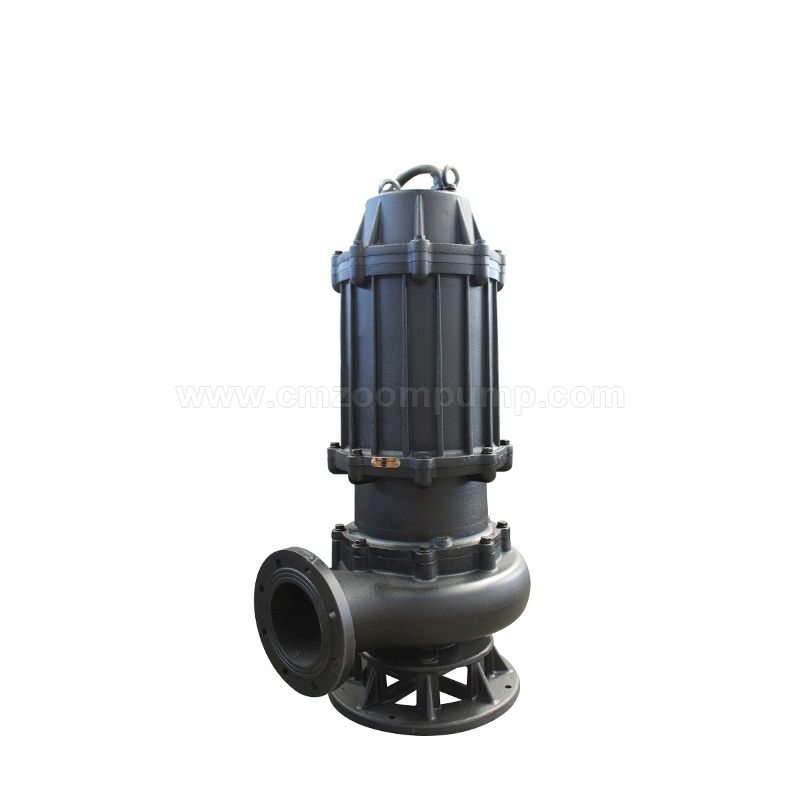
To successfully source sewage pumps directly from manufacturers, follow these structured steps:
Assess the specific requirements of your project. For instance, determine the type of sewage pump required based on the application—whether it's for residential drainage or heavy industrial wastewater processing. Align your needs with manufacturers that specialize in your required pump type.
Compile a list of trusted sewage pump manufacturers. Look for companies like Chongmu with production certifications such as ISO 9001, which indicates adherence to international quality management systems.
Examine product datasheets to compare specifications. Focus on performance metrics like the actual measured flow rates under varying conditions, head pressures, and energy efficiency ratings. Opt for pumps that show a minimum energy consumption reduction of 15% compared to less efficient models.
Contact selected manufacturers for quotes. Ensure you inquire about lead times, which should ideally not exceed 4-6 weeks for production and delivery. Create a spreadsheet to accurately compare quotes, including shipping costs.
Seek out case studies from manufacturers documenting successful installations. Testimonials reflecting at least 90% customer satisfaction for reliability and performance are essential for informed decisions.
Once you've selected a manufacturer, formalize your order with clear specifications regarding model, quantity, and delivery expectations. Confirm warranty and post-purchase support policies to ensure long-term satisfaction.
After receiving your pumps, ensure proper installation by professionals. Tracking performance post-installation helps in identifying any operational inefficiencies, providing an opportunity to consult the manufacturer for technical support if required.
Previous: What is a Reefer Container?
Next: How Commercial Dehumidifiers Safeguard Equipment, Inventory, and Infrastructure
Copyright:@2020-2021

Comments Please sign in or sign up to post.
0
0 of 500 characters used