
Moisture can wreak havoc on commercial spaces. Businesses suffer losses when equipment malfunctions, inventory spoils, and infrastructure deteriorates due to excessive humidity. Utilizing a commercial dehumidifier can be an effective solution. These systems are essential in sectors like food storage, electronics, and manufacturing, where humidity is a critical factor. For instance, the profitability of a business can drop by 30% if moisture-related issues occur. Understanding how commercial dehumidifiers function is the first step toward effective moisture management.
Prevent Equipment Damage
Ensure Inventory Quality
Enhance Infrastructure Longevity
A study found that businesses using commercial dehumidifiers report a 50% decrease in equipment failures related to moisture damage. This demonstrates their role in prolonging the lifespan and evaluating the efficiency of costly machinery investments.
Moisture and condensation can lead to significant equipment failures. Electrical components are particularly vulnerable, with moisture leading to short circuits or corrosion. Here’s how dehumidifiers help:
| Type of Equipment | Impact of Humidity | Benefits of Dehumidification |
|---|---|---|
| HVAC Systems | Decreased efficiency, increased maintenance costs | Improved performance, reduced costs |
| Manufacturing Machines | Rust, reduced accuracy | Extended life, improved precision |
| Medical Equipment | Contamination risk | Enhanced safety, reliability |
Inventory stored in humid environments is susceptible to spoilage and decay. Here are key advantages of using a dehumidifier:
Preservation of perishable goods: Products like food and pharmaceuticals need specific humidity levels to remain viable.
Reduction of mold growth: Mold can destroy large quantities of goods, and preventing it enhances the business's bottom line.
Implementing dehumidifiers can reduce spoilage by up to 40%, leading to tremendous financial savings and improved customer satisfaction.
High humidity levels can cause structural damage over time. The consequences affect more than aesthetics; they can lead to severe financial losses. Commercial dehumidifiers play a crucial role in:
Preventing warping and deterioration: Wood and other materials can warp or decay due to moisture.
Combatting rust: Steel and metal frameworks are susceptible to corrosion without proper humidity control.
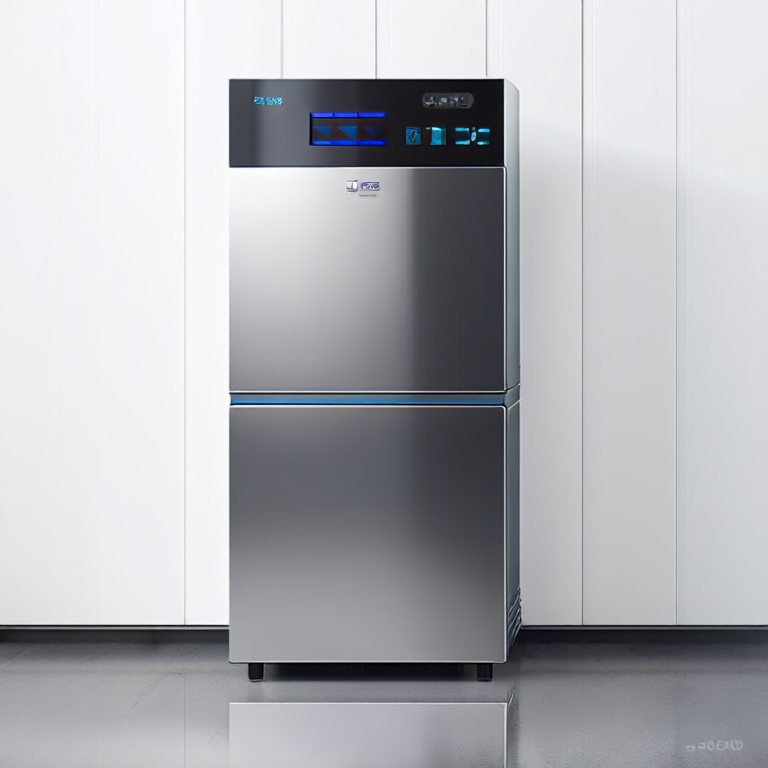
Commercial dehumidifiers are essential for protecting equipment, preserving inventory, and maintaining structural integrity. The significant benefits they provide are evident—from decreased operational costs to enhanced equipment longevity. Investing in quality dehumidification solutions is a proactive approach to guard against humidity-related issues, ensuring business efficiency and success.
Previous: How to Source Sewage Pumps Directly from Manufacturers
Next: None.
Copyright:@2020-2021

Comments Please sign in or sign up to post.
0
0 of 500 characters used