
Begin by consulting your DTF printer's user manual or manufacturer's website to obtain detailed specifications. Look for the recommended ink types and any compatibility notes.
Determine if your printer requires pigment-based, dye-based, or a specific DTF Ink formulation. This will guide your purchasing decisions.
Investigate various ink brands that are known for compatibility with your specific printer model. User reviews and forums can provide insights into which brands work best.
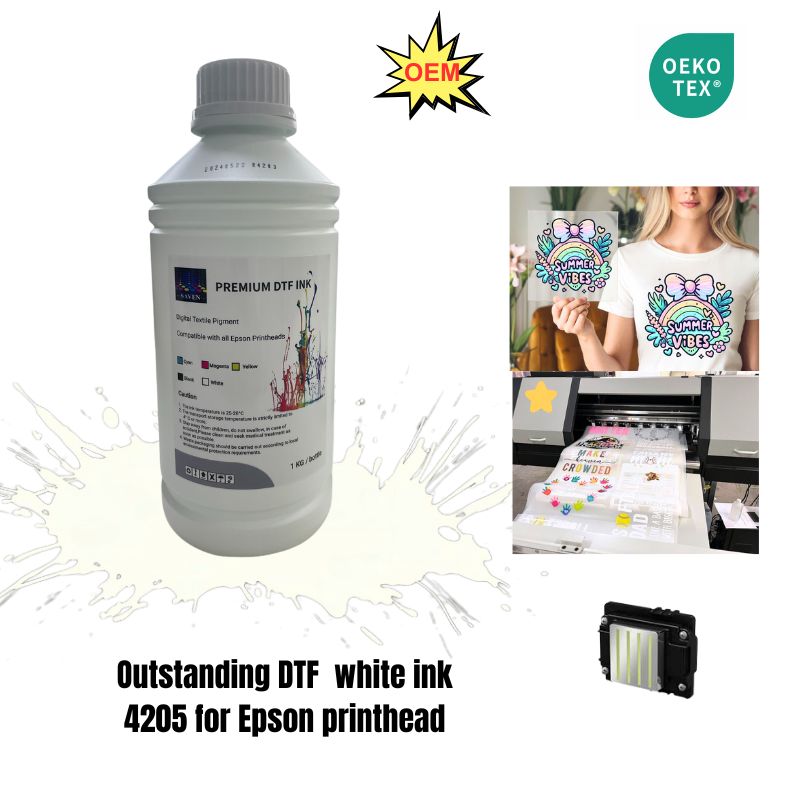
Seek inks that come with certification or guarantee claims that assert compatibility with your DTF model. Brands like SAVEN often provide detailed compatibility information.
Ensure the ink brand offers color profiles specifically designed for your printer model. This helps in achieving optimal print quality.
If uncertain about a brand, consider buying sample packs to test ink compatibility with your printer before committing to a larger purchase.
Ink samples from various brands
Print test patterns and color profiles
Cleaning kit for print head maintenance
Access to a computer with design software
Use a cleaning kit to clear any clogs in the print heads which can skew test results. Follow the instructions in your printer manual for best practices.
Print sample designs using different ink brands. Pay attention to color reproduction and any banding or smudging.
Assess prints for color accuracy, adhesion on the DTF film, and overall quality. Document findings for future reference.
Not verifying printer settings for the ink type
Using non-DTF specific inks
Ignoring maintenance recommendations
Neglecting to update firmware that may affect compatibility
Ensuring compatible DTF ink with your printer model is crucial for high-quality printing outcomes. By following these steps with guidance from trusted brands like SAVEN, you can avoid common pitfalls and enhance your printing experience.
Copyright:@2020-2021

Comments Please sign in or sign up to post.
0
0 of 500 characters used