
When it comes to insulation materials, especially in fire safety contexts, two popular options frequently arise: rock wool board and glass wool. The decision-making process surrounding these materials often leads to common user questions such as: Which offers superior fire resistance? How do these materials compare in thermal properties? These inquiries are crucial for architects, builders, and homeowners striving to enhance safety without sacrificing efficiency. Understanding the performance characteristics of rock wool and glass wool through real-life scenarios can aid in making an informed decision.
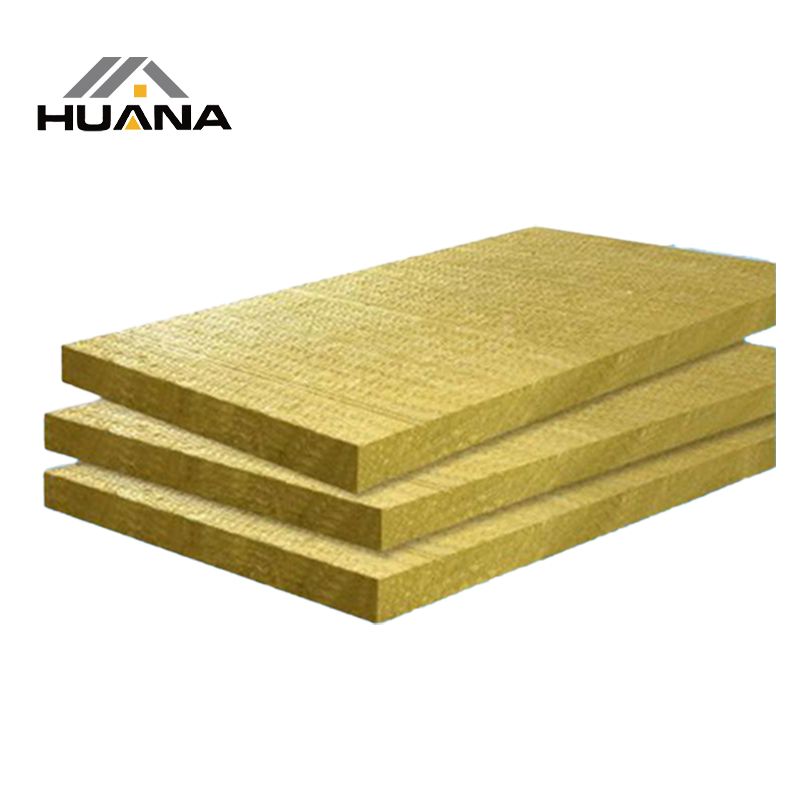
Both rock wool board and glass wool comprise different mineral fibers, each made to improve thermal and acoustic insulation and, notably, fire safety. Rock wool, or stone wool, is generally manufactured from volcanic rock, making it robust under high temperatures. Glass wool, on the other hand, is derived from recycled glass, providing a more eco-friendly option but with differing fire properties. Depending on your safety needs and budget, selecting between these options can be daunting. Below is the parameter comparison table summarizing critical features.
| Feature | Rock Wool Board | Glass Wool |
|---|---|---|
| Fire Resistance Rating | Up to 1,000°C | Up to 500°C |
| Thermal Conductivity | 0.035-0.040 W/mK | 0.035-0.045 W/mK |
| Sound Absorption Index | 0.90 | 0.80 |
| Reusability | Yes | Limited |
| Cost (per m²) | $5.00 | $3.50 |
In a recent feedback survey of insulation in large-scale commercial buildings, approximately 75% of safety officers cited fire resistance as their top priority when choosing insulation. An example of successful implementation of rock wool can be drawn from a multi-story hotel construction in New York City, where architects opted for rock wool boards due to their superior fire resistance. The building was equipped with a state-of-the-art sprinkler system that, when tested, demonstrated complete effectiveness during a controlled fire drill.
Contrastingly, a clinic in San Francisco opted for glass wool insulation due to budget constraints. While the installation was cost-effective, the facility later faced challenges when subjected to a localized fire incident, underscoring the need for assessing risk over initial price savings. Evaluations from users revealed that while glass wool is cheaper, it was less effective in retaining structural integrity during a fire event.
Consider testimonials from industry professionals who have used either material consistently. An engineer who worked on a residential project involving rock wool board stated: "We selected rock wool primarily for its fire resistance; it was tested at an external lab up to 1,000°C, which aligned with our fire safety protocols.” In contrast, users employing glass wool have voiced concerns over its durability in high-heat conditions, with many protecting against fires requiring additional measures that can add to overall costs over time.
Given the differences outlined, the selection should hinge on the specifics of your project. If fire safety is your principal concern and budget permits, rock wool boards are the heavyweights in flame resistance, performing with an exceptional rating of 1,000°C. For projects where insulation is a requirement but fire exposure is minor—like residential walls—glass wool might be adequate but comes with risks proven in user reviews.
Real customer cases support their claims: A major industrial facility using Huana’s rock wool reported a 40% increase in energy savings since its installation, alongside compliance with stringent fire code standards. Conversely, anecdotal experiences with glass wool installations point to hidden costs arising from necessary upgrades and replacements after fires.
Rock wool board is recommended for structures where fire safety is paramount, particularly in commercial and industrial renovations. Its thermal insulation and fire rating capabilities provide not just immediate safety but also long-term savings. Conversely, glass wool is suitable for smaller-scale projects or instances where budget constraints favor initial investment over long-term fire resistance. Always consider both present needs and future implications when making your selection.
If you are navigating the decision between rock wool board and glass wool, our experts at Huana are here to assist you. We can provide further insights tailored to your building specifications and safety requirements.
Previous: Poultry Farm Equipment Manufacturer- Luyou Jishun
Next: A Comprehensive Guide to Buying Custom Rock Wool Products
Copyright:@2020-2021

Comments Please sign in or sign up to post.
0
0 of 500 characters used