
Plate heat exchangers are widely used in industries such as food processing, chemical manufacturing, HVAC systems, and power generation due to their high efficiency and compact design. One of the most critical components ensuring their performance and reliability is the gasket. Understanding what materials are used for Plate Heat Exchanger Gaskets is essential for selecting the right solution for specific applications and operating conditions.
Plate Heat Exchanger Gaskets serve a vital function by sealing the spaces between plates, preventing fluid leakage, and directing the flow of different media through separate channels. Because they are exposed to varying temperatures, pressures, and chemical environments, the choice of gasket material directly impacts the efficiency, safety, and lifespan of the heat exchanger.
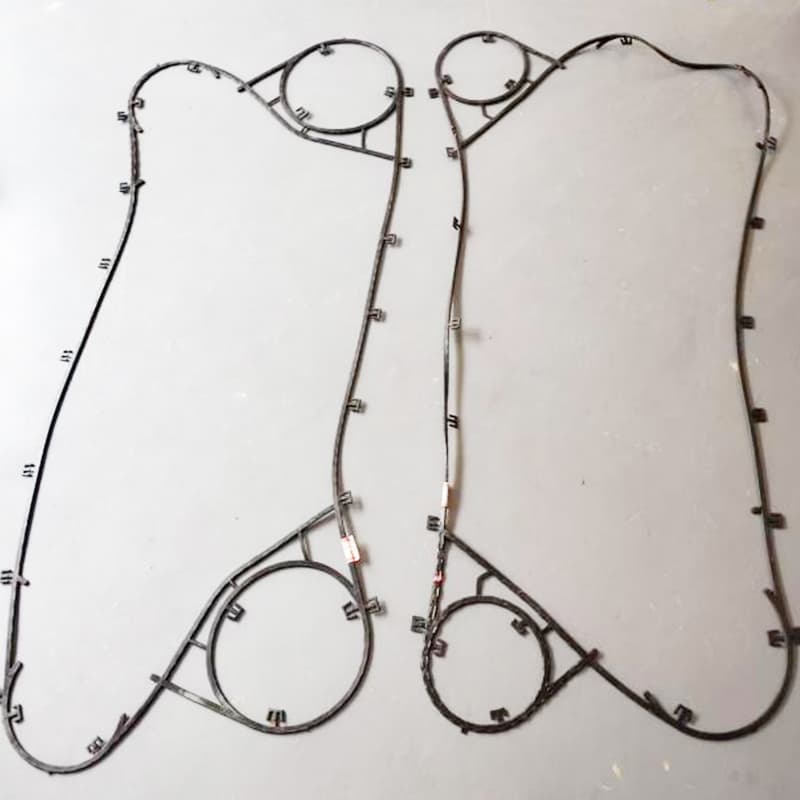
Several types of materials are commonly used in the manufacturing of Plate Heat Exchanger Gaskets, each offering distinct properties suited for different industrial requirements.
One of the most widely used materials is Nitrile Rubber, also known as NBR. This material is highly resistant to oils, fats, and many hydrocarbons, making it ideal for applications involving petroleum products or oily fluids. NBR gaskets typically perform well in temperature ranges from -20°C to around 110°C, providing a good balance between flexibility and durability. Due to its cost-effectiveness and reliability, NBR is often chosen for general industrial use.
Another popular material is EPDM, or Ethylene Propylene Diene Monomer. EPDM gaskets are known for their excellent resistance to heat, water, steam, and certain chemicals such as acids and alkalis. They can withstand temperatures up to 150°C or even higher depending on the formulation. This makes EPDM a preferred choice in industries like food processing, pharmaceuticals, and HVAC systems where high-temperature water or steam is involved.
Fluoroelastomer, commonly referred to as FKM or Viton, is another high-performance gasket material. It is highly resistant to aggressive chemicals, high temperatures, and oxidation. FKM gaskets can operate at temperatures up to 200°C, making them suitable for demanding applications such as chemical processing or situations involving strong solvents and acids. Although more expensive than NBR or EPDM, FKM provides superior durability and chemical resistance.
Silicone rubber is also used in certain applications, particularly where flexibility at extreme temperatures is required. Silicone gaskets can operate in a wide temperature range from -60°C to 180°C. They are also non-toxic and compliant with food-grade standards, making them suitable for food and beverage industries. However, silicone generally has lower mechanical strength compared to other materials and may not be suitable for high-pressure systems.
In addition to these standard materials, specialized gasket compounds are available for unique operating environments. For example, hydrogenated nitrile rubber (HNBR) offers enhanced heat and chemical resistance compared to standard NBR. Similarly, PTFE (polytetrafluoroethylene) gaskets are used in highly corrosive environments due to their exceptional chemical inertness, although they are less flexible and often combined with elastomers for improved sealing.
The selection of the appropriate gasket material depends on several key factors. Temperature is one of the most important considerations. Each material has a specific temperature range within which it performs optimally. Exceeding these limits can lead to hardening, cracking, or loss of elasticity, ultimately causing leaks.
Chemical compatibility is another critical factor. The gasket material must be resistant to the fluids flowing through the heat exchanger. Incompatible materials can degrade quickly, compromising the seal and potentially leading to system failure.
Pressure conditions also play a role in material selection. High-pressure systems require gaskets with strong mechanical properties to maintain a tight seal without deformation. Additionally, the frequency of maintenance and cleaning should be considered, as some materials are more resistant to wear and repeated handling than others.
For businesses seeking reliable and high-quality solutions, working with an experienced manufacturer is essential. Companies like Hongcan have extensive expertise in producing Plate Heat Exchanger Gaskets tailored to diverse industrial needs. Their products are designed to meet strict quality standards and ensure optimal performance in various operating environments.
In addition to product quality, technical support and customization capabilities are important when choosing a supplier. Hongcan provides professional guidance in selecting the right gasket material based on specific application requirements, helping customers improve efficiency and reduce operational risks.
Proper maintenance of Plate Heat Exchanger Gaskets is equally important to ensure long-term performance. Regular inspection for signs of wear, such as cracks, swelling, or hardening, can help prevent unexpected failures. Replacing gaskets at appropriate intervals and using compatible cleaning agents will also extend their lifespan.
In conclusion, Plate Heat Exchanger Gaskets are made from a variety of materials including NBR, EPDM, FKM, silicone, and specialized compounds like HNBR and PTFE. Each material offers unique advantages depending on temperature, chemical exposure, and pressure conditions. Selecting the right gasket material is crucial for maintaining efficiency, safety, and durability in plate heat exchanger systems. By partnering with trusted manufacturers like Hongcan and understanding the properties of different materials, businesses can ensure optimal performance and long-term reliability of their equipment.
Previous: Which Material Is Used for Gaskets?
Next: Drain Valves Selection Guide: Types, Features, Applications
Copyright:@2020-2021

Comments Please sign in or sign up to post.
0
0 of 500 characters used