
Heat exchangers are essential in industries ranging from power generation to food processing. They enable efficient heat transfer between fluids without mixing them, improving energy efficiency and system performance. One of the most important considerations in heat exchanger design is material selection. The right materials ensure durability, corrosion resistance, and optimal thermal conductivity. In this article, we Hongcan will explore the most common materials used in heat exchangers and highlight the role of critical components such as Plate Heat Exchanger Gaskets, as well as the importance of reliable suppliers like Hongcan.
Heat exchangers operate under a wide range of conditions, including high temperatures, pressure fluctuations, and exposure to corrosive fluids. The materials used must meet several key requirements:
High thermal conductivity for efficient heat transfer
Corrosion resistance to withstand aggressive media
Mechanical strength to endure pressure and stress
Longevity to reduce maintenance and downtime
Selecting the wrong material can result in reduced efficiency, frequent failures, and increased operational costs.
Stainless steel is one of the most widely used materials in heat exchangers due to its excellent balance of properties.
Strong corrosion resistance
High strength and durability
Suitable for a wide range of temperatures
Stainless steel is commonly used in industries such as food processing, pharmaceuticals, and chemical manufacturing because of its hygienic properties and resistance to contamination.
Carbon steel is another common material, particularly in applications where corrosion is less of a concern.
Cost-effective
High mechanical strength
Suitable for high-pressure systems
However, carbon steel may require protective coatings or treatments when used in corrosive environments.
Copper is known for its excellent thermal conductivity, making it highly efficient for heat transfer.
HVAC systems
Refrigeration units
Marine heat exchangers
Copper alloys, such as brass and bronze, are often used to improve corrosion resistance while maintaining good thermal performance.
Aluminum is lightweight and offers good thermal conductivity.
Low weight
Good corrosion resistance in certain environments
Cost-effective for specific applications
It is commonly used in automotive and air conditioning systems.
Titanium is used in highly corrosive environments where other materials would fail.
Exceptional corrosion resistance
Long service life
High strength-to-weight ratio
Although more expensive, titanium is ideal for seawater applications and chemical processing plants.
Plate heat exchangers are a specific type of heat exchanger that uses thin metal plates to transfer heat efficiently. The plates are typically made from stainless steel or titanium, depending on the application.
However, an equally important component is the sealing system, particularly Plate Heat Exchanger Gaskets.
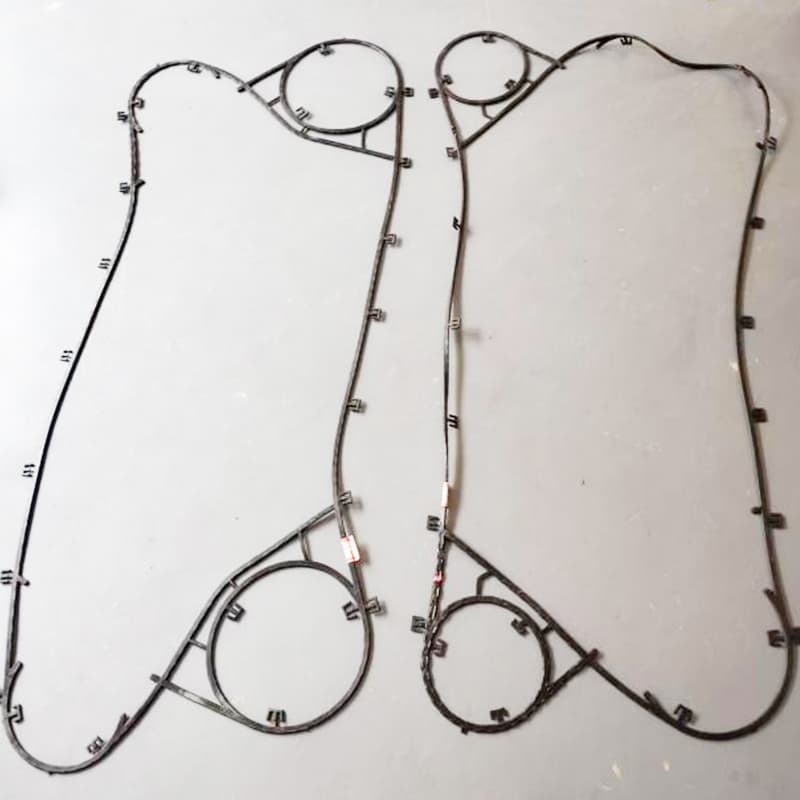
Plate Heat Exchanger Gaskets are responsible for sealing the plates and directing fluid flow within the exchanger. They must maintain flexibility and sealing performance under varying temperatures and pressures.
NBR (Nitrile Rubber): Ideal for oil-based fluids
EPDM: Suitable for water, steam, and chemical applications
FKM (Viton): Excellent for high temperatures and aggressive chemicals
Choosing the right gasket material is just as important as selecting the plate material, as it directly affects efficiency and leak prevention.
Materials must withstand the specific thermal and pressure conditions of the system. For example, stainless steel and titanium are better suited for extreme environments.
The type of fluid being processed determines the level of corrosion resistance required. Seawater and chemicals demand highly resistant materials like titanium.
While high-performance materials offer better durability, they also come at a higher cost. Balancing performance with budget is essential.
Durable materials reduce maintenance frequency and extend the lifespan of the equipment, leading to lower long-term costs.
Even the best materials will not perform well without proper manufacturing and quality control. Precision engineering ensures that heat exchanger components fit perfectly and function efficiently.
Working with a trusted supplier like Hongcan ensures access to high-quality components, including Plate Heat Exchanger Gaskets, designed for optimal performance. With expertise in advanced materials and production processes, Hongcan helps industries achieve reliable and efficient heat exchange solutions.
The most common materials used in heat exchangers include stainless steel, carbon steel, copper, aluminum, and titanium. Each material offers unique advantages depending on the application, operating conditions, and budget.
In plate heat exchangers, both the metal plates and Plate Heat Exchanger Gaskets play crucial roles in ensuring efficiency and reliability. Selecting the right combination of materials is key to achieving optimal performance.
By understanding material properties and partnering with experienced manufacturers like Hongcan, businesses can enhance system efficiency, reduce maintenance costs, and ensure long-term operational success.
Copyright:@2020-2021

Comments Please sign in or sign up to post.
0
0 of 500 characters used