
Tunnel construction is a complex engineering process that requires durable and reliable materials to ensure long-term stability and safety. Tunnel lining plays a crucial role in supporting the surrounding ground, resisting water pressure, and maintaining the structural integrity of the tunnel. Alongside primary lining materials, sealing components such as Tunnel Segment Gaskets are essential for waterproofing and performance.
For industry leaders like Hongcan, the integration of high-quality Tunnel Segment Gaskets with robust lining materials ensures optimal tunnel performance in various environmental conditions. This article explores the main materials used for tunnel lining and how they work together with sealing systems.
Tunnel lining serves several important functions:
Providing structural support to prevent collapse
Protecting against groundwater infiltration
Enhancing durability and longevity
Creating a smooth internal surface for operation
To achieve these goals, engineers select materials based on geological conditions, tunnel depth, and project requirements.
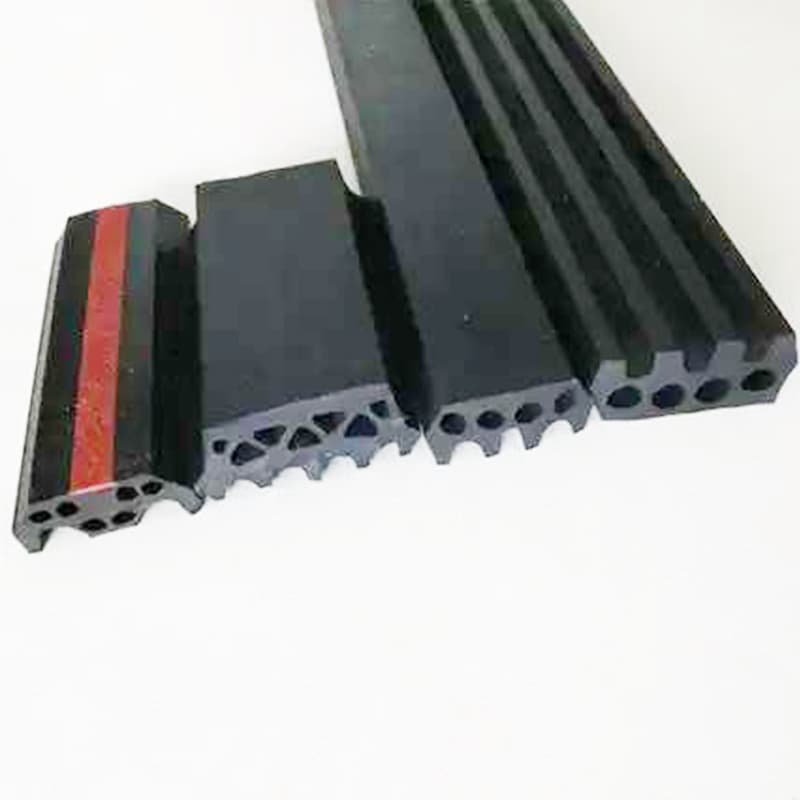
Concrete is the most widely used material for tunnel lining, especially in modern segmentally lined tunnels.
Precast concrete segments are manufactured in controlled environments and assembled on-site to form tunnel rings. These segments are commonly used in Tunnel Boring Machine (TBM) projects.
Advantages include:
High strength and durability
Consistent quality and precision
Fast installation
When combined with Tunnel Segment Gaskets, precast concrete segments provide excellent waterproofing and structural performance. Hongcan designs gaskets that perfectly match segment grooves, ensuring reliable sealing.
In some projects, concrete is poured directly into the tunnel to form a continuous lining.
Benefits include:
Flexibility in complex geometries
Strong bonding with surrounding rock
Customizable thickness
However, this method may require additional waterproofing systems compared to segmental linings.
Steel is often used in tunnel lining, particularly in temporary support systems or in combination with other materials.
Steel ribs provide immediate support during excavation, especially in weak or unstable ground conditions.
Key advantages:
High load-bearing capacity
سريع installation
Reusability in some cases
Steel liners may also be used in tunnels that require high resistance to internal pressure, such as water conveyance tunnels.
Shotcrete is a sprayed form of concrete applied directly to the tunnel surface.
Initial ground support
Surface stabilization
جزء of the New Austrian Tunneling Method (NATM)
Advantages:
Quick application
Good adhesion to irregular surfaces
Reduced الحاجة for formwork
Shotcrete is often combined with other lining systems to provide comprehensive support.
Modern tunnel linings increasingly use fiber-reinforced concrete to enhance performance.
Steel fibers
Synthetic fibers
Glass fibers
Benefits include:
Improved crack resistance
Enhanced toughness and durability
Reduced need for التقليدي reinforcement
These materials contribute to longer-lasting tunnel structures when used alongside high-quality Tunnel Segment Gaskets.
In addition to structural materials, waterproofing membranes are used to prevent water ingress.
PVC membranes
HDPE membranes
Bituminous sheets
These membranes are often installed between the ground and the lining or between lining layers. However, in segmental tunnels, Tunnel Segment Gaskets provide the primary waterproofing function.
Hongcan ensures that its gasket systems are compatible with various waterproofing solutions for maximum efficiency.
While structural materials provide strength, Tunnel Segment Gaskets ensure watertight performance.
Sealing joints between precast segments
Preventing groundwater leakage
Maintaining performance under pressure
Accommodating segment movement
Without effective gaskets, even the strongest lining materials can fail due to water infiltration.
Hongcan integrates advanced material technology and precision engineering to produce gaskets that meet the highest standards in tunnel construction.
Different ground types require different lining materials. For example:
Soft soil may require flexible systems
Hard rock may allow thinner linings
High groundwater pressure demands robust materials and reliable sealing systems like Tunnel Segment Gaskets.
The intended use of the tunnel (transportation, utilities, water conveyance) influences material choice.
Engineers must balance performance with budget and project timelines when selecting materials.
Modern tunnel engineering continues to evolve with new materials and technologies, such as:
High-performance concrete with improved durability
Self-healing materials that repair cracks automatically
Advanced gasket systems with multi-lip sealing designs
Hongcan remains at the forefront of innovation, continuously improving Tunnel Segment Gaskets to complement these advanced lining materials.
Tunnel lining materials are fundamental to the success of any underground project. From precast concrete segments to steel, shotcrete, and advanced composites, each material plays a specific role in ensuring structural integrity and durability.
Equally important are Tunnel Segment Gaskets, which provide critical waterproofing and enhance overall performance. By combining high-quality materials with reliable sealing systems from trusted manufacturers like Hongcan, tunnel projects can achieve long-term safety, efficiency, and sustainability.
Previous: None.
Copyright:@2020-2021

Comments Please sign in or sign up to post.
0
0 of 500 characters used