
Modern plastics must withstand heat, oxygen, UV exposure, and mechanical stress throughout their lifecycle. Without proper stabilization, polymers can quickly degrade, leading to discoloration, brittleness, cracking, and reduced performance. To prevent this, manufacturers rely on antioxidant additives. Among the most important are Hindered Phenols and phosphite antioxidants.
Both antioxidant types play critical roles in plastic protection, but they function differently and are suitable for different stages of polymer processing and usage. Understanding their differences helps manufacturers select the most effective stabilization system for their products.
Plastic degradation mainly occurs through oxidation. During manufacturing and long-term use, polymers react with oxygen and form unstable free radicals. These radicals trigger chain reactions that damage the molecular structure of plastics.
Oxidative degradation can cause:
· Loss of flexibility
· Surface cracks
· Yellowing
· Reduced impact resistance
· Lower tensile strength
· Shortened product lifespan
Antioxidants interrupt these oxidation reactions and protect polymer materials from premature failure.
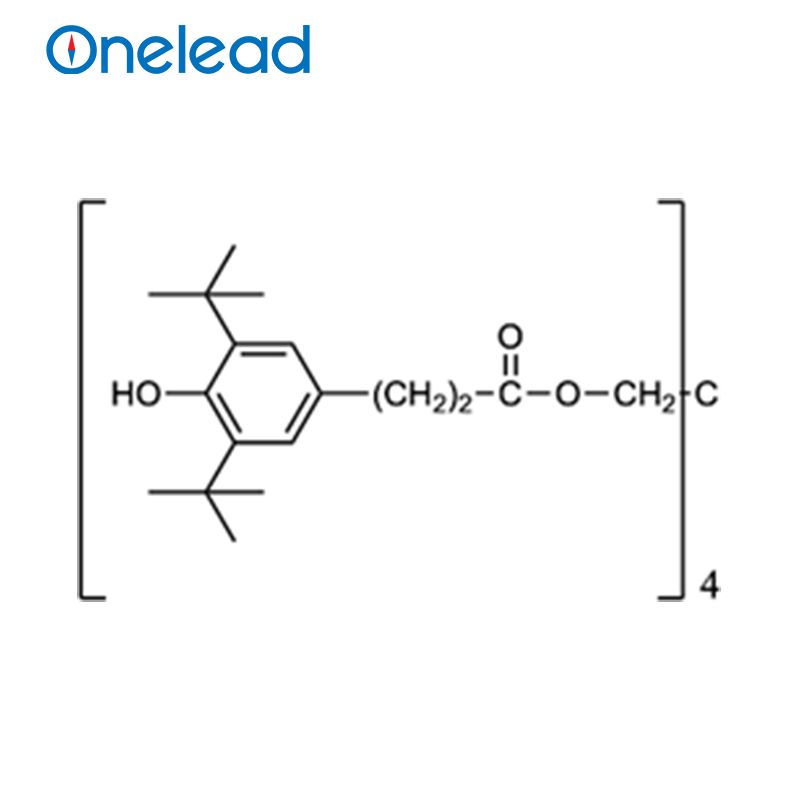
Hindered Phenols are primary antioxidants commonly used in plastic manufacturing. Their main function is to neutralize free radicals before they can continue the oxidation chain reaction.
Hindered Phenols donate hydrogen atoms to unstable radicals, converting them into stable molecules. This effectively stops oxidation from spreading throughout the polymer structure.
Because of this mechanism, Hindered Phenols provide excellent:
· Long-term thermal stability
· Oxidation resistance
· Mechanical property retention
· Aging protection
Hindered Phenols are widely used in:
· Polypropylene (PP)
· Polyethylene (PE)
· ABS plastics
· Engineering plastics
· Rubber products
· Adhesives
· Automotive materials
They are especially valuable in products that require long service life under thermal stress.
Phosphite antioxidants are secondary antioxidants that mainly protect plastics during high-temperature processing.
Unlike Hindered Phenols, phosphites do not directly neutralize free radicals. Instead, they decompose hydroperoxides formed during oxidation before those hydroperoxides can generate new radicals.
Phosphites are highly effective for:
· Melt processing stabilization
· Preventing polymer degradation during extrusion
· Maintaining polymer viscosity
· Improving color stability
· Reducing thermal damage during molding
Phosphite antioxidants are commonly used in:
· Injection molding
· Blow molding
· Plastic film production
· Fiber manufacturing
· Wire and cable compounds
They are particularly useful during manufacturing processes involving elevated temperatures.
Although both additives protect plastics from oxidation, they differ significantly in their mechanisms and performance characteristics.
· Primary antioxidants
· Neutralize free radicals directly
· Provide long-term protection
· Secondary antioxidants
· Decompose hydroperoxides
· Mainly improve processing stability
This distinction explains why both antioxidant types are often used together rather than separately.
Hindered Phenols generally offer superior long-term thermal aging protection. They help maintain the physical and mechanical properties of plastics during prolonged heat exposure.
This makes them ideal for applications such as:
· Automotive components
· Electrical housings
· Industrial plastic parts
· Outdoor products
Phosphites perform exceptionally well during polymer processing. High temperatures during extrusion or molding can rapidly generate hydroperoxides that accelerate polymer degradation.
Phosphites quickly eliminate these unstable compounds, helping manufacturers maintain:
· Resin quality
· Melt flow consistency
· Polymer molecular weight
· Production efficiency
Phosphites are often better at preserving initial color during manufacturing. This is especially important for:
· Transparent plastics
· White polymers
· Consumer packaging
· Medical-grade materials
However, Hindered Phenols typically provide better long-term color retention during product aging.
Certain phosphite antioxidants may be sensitive to hydrolysis under humid conditions. Moisture exposure can reduce their long-term effectiveness.
Hindered Phenols generally demonstrate stronger hydrolytic stability, making them suitable for applications exposed to humidity or outdoor environments.
In modern polymer formulations, manufacturers rarely rely on a single antioxidant type. Instead, they combine Hindered Phenols and phosphites to create synergistic antioxidant systems.
Using both antioxidants together offers several advantages:
· Enhanced processing protection
· Better long-term aging resistance
· Improved thermal stability
· Superior color retention
· Longer product lifespan
The phosphite protects the polymer during manufacturing, while the Hindered Phenol provides continuous protection throughout the product’s service life.
This combination approach is widely adopted across the plastics industry.
The best antioxidant solution depends on the specific polymer application and processing conditions.
Applications involving:
· High-temperature extrusion
· Injection molding
· Recycling processes
· Repeated thermal exposure
usually benefit greatly from phosphite antioxidants.
Products requiring long-term durability, heat resistance, and oxidation stability often rely heavily on Hindered Phenols.
These include:
· Automotive plastics
· Construction materials
· Industrial components
· Electrical products
Manufacturers must also consider:
· Food-contact approvals
· VOC requirements
· Environmental regulations
· Product lifespan expectations
Selecting the right antioxidant combination helps balance performance, compliance, and cost efficiency.
As sustainability becomes increasingly important, antioxidant technologies continue evolving. Manufacturers now seek additives that provide:
· Higher stabilization efficiency
· Improved recyclability
· Lower emissions
· Better environmental compatibility
Advanced stabilization systems are especially important for recycled plastics, which are more vulnerable to oxidative degradation during reprocessing.
Companies such as Onelead continue developing antioxidant solutions that support modern polymer manufacturing and improve plastic durability across diverse industries.
Hindered Phenols and phosphite antioxidants both play essential roles in protecting plastics, but they serve different purposes.
Hindered Phenols are highly effective primary antioxidants that provide long-term protection against thermal and oxidative degradation by neutralizing free radicals.
Phosphite antioxidants function as secondary stabilizers that improve processing stability by decomposing hydroperoxides formed during high-temperature manufacturing.
Rather than competing technologies, these antioxidants work best together. By combining Hindered Phenols and phosphites, manufacturers can achieve superior processing performance, long-term durability, improved color stability, and extended product lifespan for modern plastic applications.
Previous: KMPS Full Form, Composition & Chemical Formula
Next: Agricultural Chemicals: A Practical Guide to Modern Crop Protection
Copyright:@2020-2021

Comments Please sign in or sign up to post.
0
0 of 500 characters used