
Air compressors are essential in a wide range of industries, from manufacturing and construction to food processing and automotive production. To keep an air compressor operating efficiently, regular maintenance is critical. Among the most important maintenance tasks is replacing the air compressor oil filter and inspecting the air compressor intake filter. These filtration components play a key role in protecting the compressor, maintaining air quality, and extending equipment lifespan.
Many operators ask, “How often should an air compressor oil filter element be replaced?” The answer depends on several factors, including operating conditions, compressor type, and maintenance practices. In this guide, we will explain replacement intervals, warning signs of filter failure, and best practices for maintaining compressor filtration systems.
As a professional filtration manufacturer, ZHUAN LV provides high-quality air compressor intake filters and air compressor oil filters designed for reliable performance in demanding industrial environments.
The air compressor oil filter is responsible for removing contaminants from the compressor lubricant before the oil circulates through critical components.
Its primary functions include:
· Removing dirt and metal particles
· Preventing internal wear
· Maintaining oil cleanliness
· Improving compressor efficiency
· Extending equipment life
Without a properly functioning oil filter, contaminants can damage bearings, rotors, and other internal components, leading to costly repairs and downtime.
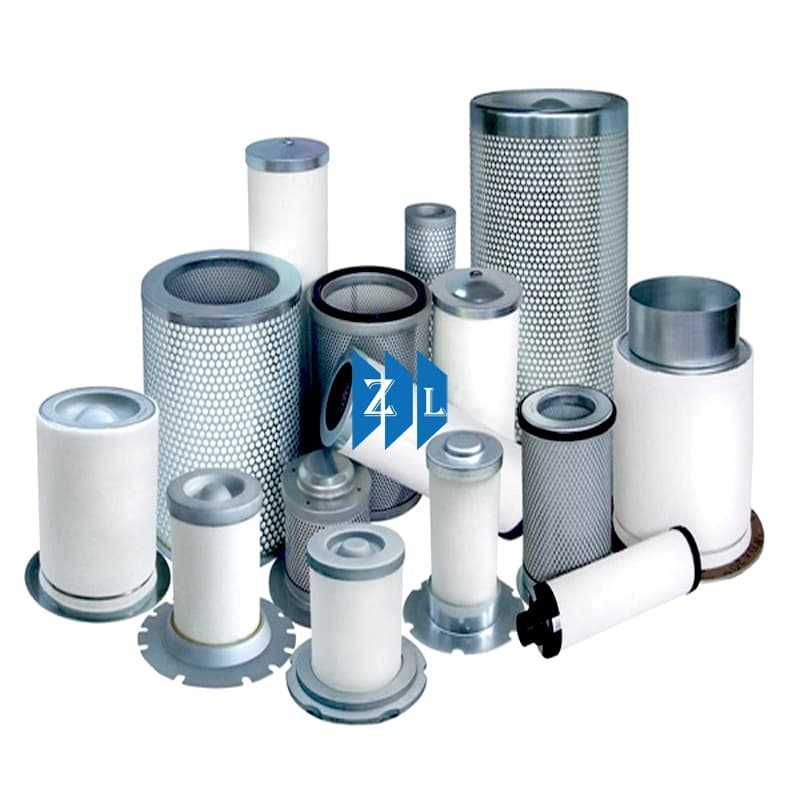
For most rotary screw air compressors, manufacturers recommend replacing the air compressor oil filter every:
· 2,000 to 4,000 operating hours
· During each scheduled oil change
· At least once per year for low-usage equipment
However, actual replacement schedules may vary depending on operating conditions and compressor specifications.
Compressors operating in harsh environments may require more frequent oil filter replacement.
Examples include:
· Mining operations
· Cement plants
· Construction sites
· Metal processing facilities
In these applications, replacing the oil filter every 1,000 to 2,000 hours may be necessary to maintain optimal performance.
Always consult the compressor manufacturer's maintenance guidelines. While general recommendations are helpful, each compressor model may have specific service requirements.
Dusty and dirty environments place greater stress on filtration systems.
Contaminants entering the compressor can quickly accumulate in the oil, causing the filter to clog faster.
Common high-contamination environments include:
· Industrial workshops
· Quarries
· Agricultural facilities
· Manufacturing plants
A clean operating environment helps extend filter service life.
Compressors running continuously will naturally require more frequent maintenance than units operating only a few hours per day.
Factors influencing service intervals include:
· Daily operating hours
· Load conditions
· System pressure requirements
· Ambient temperature
The more the compressor runs, the faster the oil filter reaches its capacity.
High-quality compressor lubricants typically produce fewer contaminants and maintain performance longer.
Poor-quality oil may lead to:
· Increased sludge formation
· Faster filter clogging
· Higher maintenance costs
Using premium lubricants helps maximize the lifespan of the air compressor oil filter.
A clogged oil filter restricts oil flow and creates excessive pressure differences across the filter element.
Symptoms may include:
· Reduced compressor efficiency
· Higher energy consumption
· Abnormal pressure readings
Monitoring differential pressure is one of the most effective ways to identify filter issues.
Restricted oil flow can reduce cooling efficiency, causing compressor temperatures to rise.
Signs include:
· Overheating alarms
· Increased oil temperatures
· Reduced compressor performance
Replacing the oil filter often resolves these problems.
If compressor oil appears dark, contaminated, or contains visible particles, the oil filter may no longer be functioning effectively.
Regular oil analysis can help identify contamination before major problems occur.
While the oil filter protects internal lubrication systems, the air compressor intake filter protects the compressor from airborne contaminants.
The intake filter removes:
· Dust
· Dirt
· Sand particles
· Airborne debris
By preventing contaminants from entering the compressor, the intake filter reduces wear and helps keep the oil cleaner for longer periods.
In normal conditions, an air compressor intake filter should be:
· Inspected monthly
· Cleaned if applicable
· Replaced every 2,000 to 4,000 hours
· Replaced sooner in dusty environments
A clogged intake filter can reduce airflow, increase energy consumption, and shorten compressor lifespan.
The air compressor oil filter and air compressor intake filter work together to protect the compressor.
Benefits of timely replacement include:
· Improved compressor efficiency
· Lower energy costs
· Reduced equipment wear
· Longer lubricant life
· Better compressed air quality
Ignoring either filter can negatively affect the entire compressed air system.
Create a maintenance plan that includes:
· Filter inspections
· Oil changes
· Pressure monitoring
· Performance checks
Preventive maintenance reduces unexpected failures and downtime.
Not all filters offer the same level of performance.
Premium filters provide:
· Higher filtration efficiency
· Longer service life
· Better contaminant retention
· Improved equipment protection
ZHUAN LV manufactures high-performance air compressor intake filters and air compressor oil filters engineered for reliable operation and maximum equipment protection.
Regularly inspect:
· Air quality
· Temperature levels
· Pressure readings
· Oil condition
Early detection of issues helps prevent costly repairs.
The ideal replacement interval for an air compressor oil filter typically ranges from 2,000 to 4,000 operating hours, although harsh environments and heavy-duty applications may require more frequent service. At the same time, maintaining the air compressor intake filter is equally important for protecting compressor components and ensuring clean airflow.
By following recommended maintenance schedules, monitoring system performance, and using high-quality replacement filters, operators can maximize compressor efficiency and extend equipment lifespan.
ZHUAN LV offers durable and efficient air compressor intake filters and air compressor oil filters that help industrial users maintain reliable compressed air systems while reducing maintenance costs and downtime.
Copyright:@2020-2021

Comments Please sign in or sign up to post.
0
0 of 500 characters used