
Industrial pipeline systems are the backbone of many industries, including oil and gas, chemical processing, power generation, water treatment, and manufacturing. While pipes often receive the most attention during system design, pipe fittings are equally critical to ensuring safe, efficient, and reliable operation.
Incorrect fitting selection can lead to leaks, pressure losses, premature equipment failure, and costly project delays. Unfortunately, sizing and compatibility mistakes are among the most common issues encountered during pipeline installation and maintenance. By understanding these pitfalls, engineers and procurement teams can make better decisions when sourcing products from a trusted Pipe Fittings Manufacturer China such as HuLu.
Pipe fittings serve multiple functions within industrial systems, including:
· Connecting pipes
· Changing flow direction
· Adjusting pipe size
· Branching flow paths
· Closing pipeline ends
Because fittings directly affect flow performance and system integrity, even small specification errors can create significant operational problems.
Common problems caused by improper fitting specifications include:
· Fluid leakage
· Excessive pressure drops
· Corrosion issues
· Mechanical stress failures
· Increased maintenance costs
· Reduced system lifespan
Avoiding these issues begins with understanding the most common sizing and compatibility mistakes.
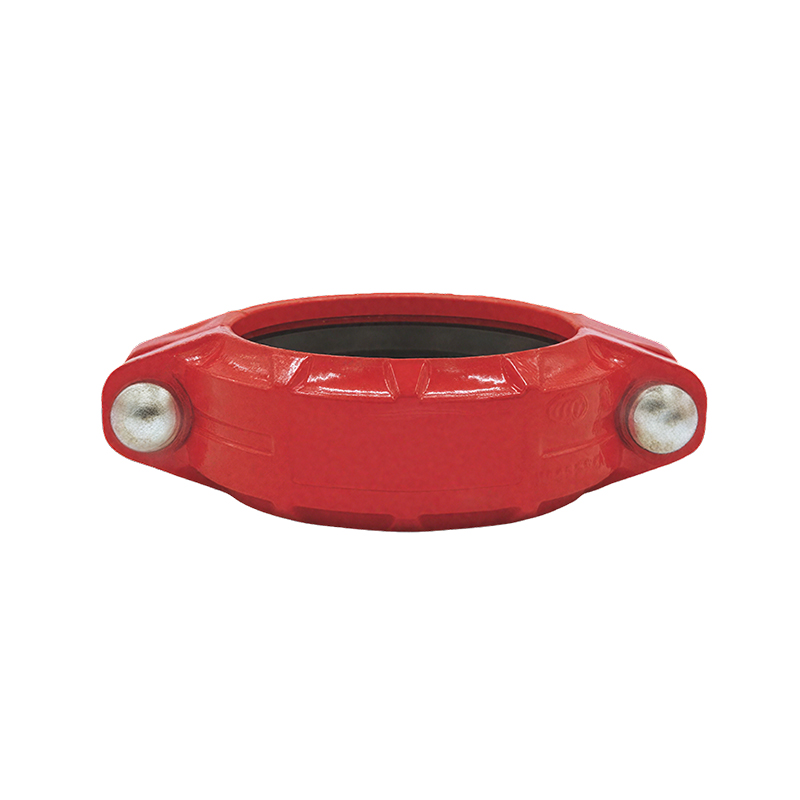
One of the most frequent specification errors involves misunderstanding nominal pipe size.
Nominal Pipe Size (NPS) is not the actual outside diameter (OD) or inside diameter (ID) of a pipe. Instead, it is a standardized designation used across the industry.
For example:
· A 2-inch pipe does not have an actual 2-inch outside diameter.
· Dimensions vary depending on pipe standards and schedules.
Selecting fittings based solely on assumed dimensions can result in:
· Improper connections
· Installation difficulties
· Leakage risks
Always verify actual pipe dimensions and applicable standards before ordering fittings.
Pipe schedule refers to wall thickness.
Common schedules include:
· SCH 10
· SCH 40
· SCH 80
· SCH 160
Wall thickness affects pressure ratings and connection compatibility.
Using fittings designed for a different schedule may cause:
· Misalignment
· Welding challenges
· Structural weaknesses
· Reduced pressure resistance
The fitting schedule should always match the pipe schedule specified for the project.
Industrial pipelines may use materials such as:
· Carbon steel
· Stainless steel
· Duplex steel
· Alloy steel
· PVC
· Copper
Selecting incompatible fittings can create long-term reliability issues.
Material incompatibility may lead to:
· Galvanic corrosion
· Reduced strength
· Chemical attack
· Premature failure
The fitting material should be evaluated alongside operating conditions and fluid characteristics.
Every fitting is designed to operate within specific pressure limits.
Common pressure classes include:
· Class 150
· Class 300
· Class 600
· Class 900
Choosing a fitting with insufficient pressure capacity can compromise system safety.
High or low temperatures can alter material properties.
Factors to consider include:
· Thermal expansion
· Material strength reduction
· Seal performance
· Pressure-temperature ratings
Always verify that fittings are suitable for the full operating range of the system.
Industrial projects often involve multiple standards, such as:
· ASME
· ANSI
· ASTM
· DIN
· JIS
· ISO
Although components may appear similar, dimensional differences can affect compatibility.
Mixing incompatible standards may result in:
· Poor fit-up
· Seal failures
· Increased installation costs
· Inspection issues
Project specifications should clearly define the applicable standards before procurement begins.
Pipe fittings are available with various end connections, including:
· Butt weld
· Socket weld
· Threaded
· Flanged
· Compression
Selecting the wrong connection type can delay installation and increase labor costs.
When expanding or modifying pipelines, fittings must match the existing connection method to ensure proper integration.
Failure to do so may require costly modifications and rework.
Reducers are used to connect pipes of different sizes.
The two primary types are:
· Concentric reducers
· Eccentric reducers
Each serves a different purpose depending on system design.
Using the wrong reducer type may cause:
· Air entrapment
· Flow turbulence
· Pump performance issues
· Increased pressure losses
Proper hydraulic design should guide reducer selection.
Industrial pipelines often operate in challenging environments such as:
· Offshore platforms
· Chemical plants
· High-humidity facilities
· Outdoor installations
These conditions can significantly affect fitting durability.
Considerations include:
· Material selection
· Protective coatings
· Corrosion allowances
· Fluid compatibility
Failure to account for environmental factors can dramatically shorten service life.
Before ordering fittings, evaluate:
· Pipe dimensions
· Pressure requirements
· Temperature conditions
· Fluid characteristics
· Applicable standards
A comprehensive review helps prevent costly specification errors.
Partnering with an experienced Pipe Fittings Manufacturer China can provide valuable technical support during the specification process.
Manufacturers with extensive industry expertise can help verify compatibility and recommend suitable products for demanding applications.
As a trusted Pipe Fittings Manufacturer China, HuLu provides high-quality industrial pipe fittings designed to meet international standards and demanding operating conditions.
Key advantages include:
· Comprehensive fitting product range
· Strict quality control systems
· Compliance with global standards
· Reliable material traceability
· Customized manufacturing capabilities
· Professional technical support
These strengths help customers reduce procurement risks and improve system reliability.
Proper sizing and compatibility are essential when specifying pipe fittings for industrial pipelines. Common mistakes such as confusing nominal sizes, overlooking schedule requirements, mixing standards, selecting incompatible materials, and ignoring operating conditions can lead to costly operational issues.
By carefully evaluating technical specifications and working with a reputable Pipe Fittings Manufacturer China such as HuLu, engineers and procurement teams can ensure reliable system performance, reduce maintenance costs, and extend the lifespan of their pipeline infrastructure. Thoughtful fitting selection today can prevent expensive problems tomorrow.
Previous: Guide to Circular Saw Blade Sharpening
Copyright:@2020-2021

Comments Please sign in or sign up to post.
0
0 of 500 characters used