
Outdoor plastic products face constant exposure to sunlight, oxygen, heat, and moisture. Over time, these environmental factors can cause discoloration, surface cracking, loss of mechanical strength, and premature product failure. To combat these challenges, manufacturers often combine UV Absorbers with Hindered Amine Light Stabilizers (HALS) to achieve superior weathering protection.
This synergistic stabilization strategy is widely used in automotive parts, agricultural films, construction materials, coatings, and outdoor consumer products. As a trusted additive supplier, Onelead offers advanced UV stabilization solutions that help manufacturers maximize product durability and long-term performance.
Weathering occurs when polymers are exposed to environmental conditions that trigger chemical and physical degradation.
The primary causes include:
· Ultraviolet (UV) radiation
· Heat and thermal cycling
· Oxygen exposure
· Moisture and humidity
· Environmental pollutants
Among these factors, UV radiation is often the most destructive because it initiates photochemical reactions that break down polymer chains.
Without adequate stabilization, plastic materials may experience:
· Color fading
· Yellowing
· Surface chalking
· Embrittlement
· Cracking
· Loss of gloss
· Reduced impact resistance
These effects can significantly shorten product lifespan and increase maintenance or replacement costs.
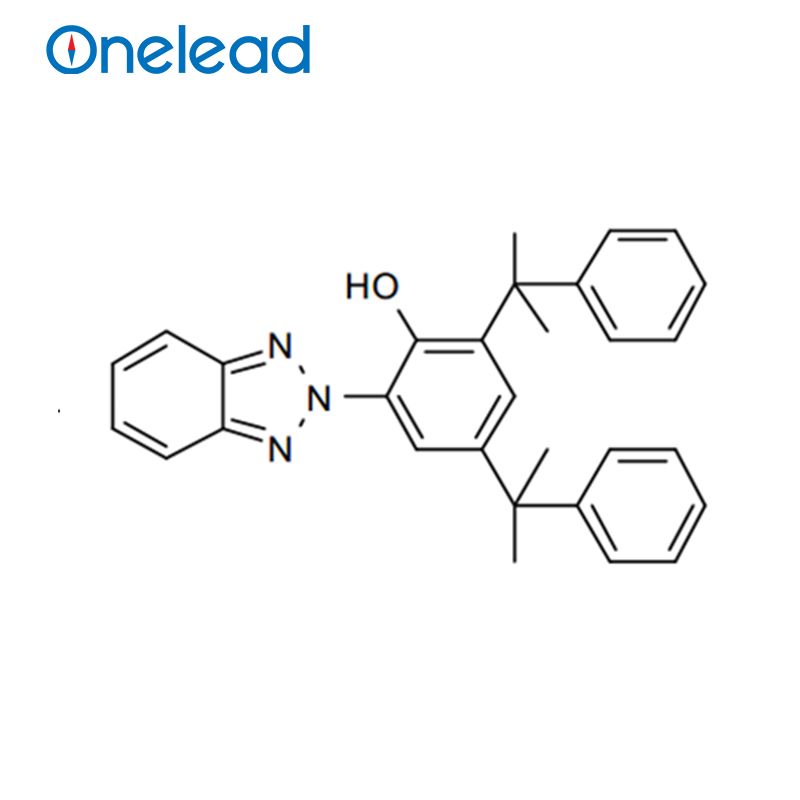
UV Absorbers are additives designed to absorb harmful ultraviolet radiation before it can damage the polymer structure.
They function by:
1. Capturing UV energy
2. Converting it into harmless heat
3. Preventing polymer chain scission
4. Reducing photo-oxidation
By filtering UV radiation, these additives protect the material from the initial stages of degradation.
Several UV absorber technologies are available for different polymer systems.
These are among the most widely used UV stabilizers and offer:
· Excellent UV screening
· High thermal stability
· Good compatibility with many polymers
Benzophenones provide effective UV protection and are commonly used in:
· Coatings
· Adhesives
· Films
· Engineering plastics
Triazine-based stabilizers offer:
· Exceptional weather resistance
· Long-term UV protection
· Excellent performance in demanding outdoor environments
Unlike UV Absorbers, HALS do not absorb UV radiation directly. Instead, they prevent the degradation process by scavenging free radicals generated during photo-oxidation.
Their primary functions include:
· Neutralizing free radicals
· Interrupting oxidation cycles
· Regenerating active stabilizing species
· Extending polymer service life
HALS are particularly effective in polyolefins such as polyethylene (PE) and polypropylene (PP).
Key benefits include:
· Long-lasting stabilization
· High efficiency at low dosage levels
· Excellent resistance to thermal aging
· Strong protection against surface cracking
Because HALS can regenerate during use, they often provide longer-lasting protection than many traditional stabilizers.
UV Absorbers and HALS address different stages of the degradation process.
UV Absorbers:
· Prevent UV energy from reaching the polymer
· Reduce the formation of free radicals
HALS:
· Neutralize any radicals that are generated
· Stop oxidation chain reactions
Together, they create a comprehensive stabilization system that offers significantly better protection than either additive alone.
When combined, UV Absorbers and HALS can provide:
· Improved color retention
· Enhanced gloss preservation
· Reduced cracking and embrittlement
· Longer outdoor service life
· Better mechanical property retention
· Greater resistance to harsh climates
This synergistic effect often allows manufacturers to achieve superior weatherability without dramatically increasing additive loading levels.
Exterior automotive parts are constantly exposed to sunlight and heat.
Examples include:
· Bumpers
· Mirror housings
· Trim components
· Grilles
Combining UV Absorbers with HALS helps maintain appearance and structural integrity throughout the vehicle's lifespan.
Agricultural films require extended outdoor durability while remaining flexible and transparent.
The combined stabilization system helps:
· Reduce degradation from intense sunlight
· Maintain film strength
· Extend service life during growing seasons
Construction products often face years of outdoor exposure.
Common applications include:
· Roofing membranes
· Siding panels
· Geomembranes
· Outdoor furniture
Advanced stabilization packages significantly improve long-term weather resistance.
Certain industrial and specialty packaging products are exposed to outdoor storage conditions.
The addition of UV Absorbers and HALS helps preserve product appearance and performance during transportation and storage.
Different polymers respond differently to UV exposure.
Common examples include:
· Polyethylene (PE)
· Polypropylene (PP)
· Polycarbonate (PC)
· ABS
· Polyamide (PA)
Selecting compatible stabilizers is essential for optimal performance.
Consider:
· UV intensity
· Geographic location
· Temperature variations
· Humidity levels
· Product lifespan expectations
More demanding environments typically require stronger stabilization packages.
Stabilizers must withstand processing temperatures without degradation.
Manufacturers should evaluate:
· Extrusion temperatures
· Injection molding conditions
· Residence time
· Reprocessing requirements
High-quality additives from Onelead are engineered to maintain performance throughout processing and end-use applications.
Successful weathering protection requires more than simply adding stabilizers. It requires selecting the right combination of additives for the polymer, processing conditions, and service environment.
Onelead provides:
· High-performance UV Absorbers
· Advanced HALS technologies
· Customized stabilization solutions
· Technical formulation support
· Reliable product quality
These solutions help manufacturers improve durability, reduce product failures, and enhance long-term customer satisfaction.
Combining UV Absorbers and HALS is one of the most effective strategies for maximizing weathering protection in polymers. While UV Absorbers prevent harmful radiation from damaging the material, HALS neutralize free radicals and interrupt oxidation cycles. Together, they provide a powerful synergistic defense against sunlight, heat, and environmental aging.
For manufacturers seeking superior outdoor durability, improved appearance retention, and extended product lifespan, partnering with Onelead for advanced UV stabilization solutions can deliver long-term performance and value across a wide range of applications.
Previous: How Data Tools Are Used to Evaluate Weight Loss Peptide Effectiveness
Next: How to Mix and Apply 2 Component Polyurethane Adhesive Correctly
Copyright:@2020-2021

Comments Please sign in or sign up to post.
0
0 of 500 characters used