
Sourcing the right Truck Tires is a critical responsibility for fleet buyers, procurement managers, and tire dealers. The decision directly affects operating costs, vehicle uptime, safety performance, and long-term profitability. Unlike passenger tires, commercial truck tires must perform under heavy loads, long distances, and diverse road conditions, making procurement strategy even more important.
A structured sourcing checklist helps ensure consistency, reduces purchasing risks, and improves total cost of ownership. As a global commercial tire manufacturer, LONGMARCH supports fleet operators and distributors with reliable truck tire solutions designed for efficiency, durability, and performance across multiple applications.
Fleet operations rely heavily on predictable tire performance. Without a standardized sourcing process, buyers may face:
· Inconsistent tire quality
· Higher maintenance costs
· Increased downtime
· Poor fuel efficiency
· Reduced retread value
A checklist ensures every procurement decision aligns with operational needs, budget constraints, and performance expectations.
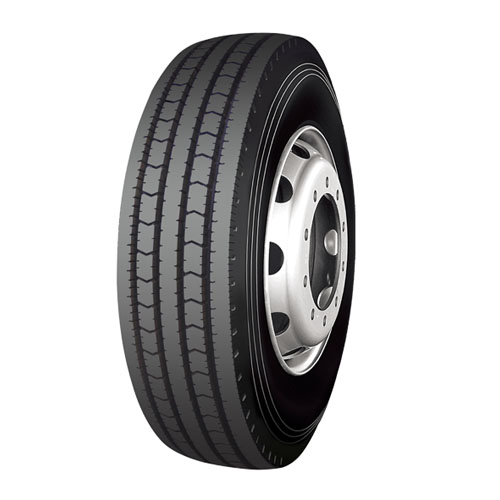
Different trucks require different tire specifications. Start by identifying:
· Long-haul trucks
· Regional delivery vehicles
· Construction or vocational trucks
· Mixed-service fleets
· Trailer fleets
Each application places different demands on truck tires.
Road conditions strongly influence tire selection:
· Highway transportation requires low rolling resistance
· Regional routes need balanced durability and traction
· Off-road operations demand cut and chip resistance
· Urban fleets require frequent braking performance
Clearly defining usage scenarios helps narrow down suitable tire options.
Every commercial truck tire must meet specific load and speed requirements.
Key checks include:
· Maximum load per axle
· Gross vehicle weight compliance
· Speed rating suitability for route conditions
Incorrect ratings can lead to premature wear or safety risks.
Tread design impacts performance significantly:
· Rib tread: best for steering stability and fuel efficiency
· Lug tread: ideal for traction and drive axle performance
· All-position tread: flexible usage across multiple axles
Selecting the correct tread type improves efficiency and safety.
A strong casing determines tire longevity and retread potential. Look for:
· Multi-layer construction
· Reinforced sidewalls
· Heat-resistant materials
Durable casings help reduce lifecycle costs.
For fleets operating in harsh environments, additional protection is essential.
Important features include:
· Cut-resistant rubber compounds
· Chip-resistant tread designs
· Stone ejector grooves
These features reduce damage and extend service life.
Fuel cost is one of the largest fleet expenses. Lower rolling resistance truck tires can significantly improve fuel economy.
Benefits include:
· Reduced fuel consumption
· Lower emissions
· Improved long-distance efficiency
High-quality truck tires should support multiple retreading cycles.
This provides:
· Lower cost per mile
· Extended casing usage
· Reduced replacement frequency
Choose suppliers with:
· Proven manufacturing experience
· Stable production capacity
· International quality certifications
· Consistent product performance
LONGMARCH, for example, focuses on delivering reliable truck tire solutions for global commercial markets.
Fleet buyers should ensure:
· Uniform tread performance
· Stable compound quality
· Batch-to-batch consistency
Consistency reduces operational uncertainty.
The cheapest tire is not always the most cost-effective. A proper TCO analysis includes:
· Fuel consumption
· Tire lifespan
· Retreading value
· Maintenance frequency
· Downtime costs
High-quality truck tires may cost more initially but provide:
· Longer service life
· Better fuel efficiency
· Lower maintenance needs
This results in significant long-term savings.
Fleet operations depend on timely tire availability. Evaluate:
· Lead times
· Distribution network strength
· Inventory availability
Good suppliers should provide:
· Technical support
· Warranty coverage
· Product replacement policies
This reduces operational risk for fleet buyers.
Before large orders, fleets should test tires under real conditions:
· Highway performance
· Load endurance
· Wear rate
· Fuel efficiency results
Drivers can provide valuable insights on:
· Handling performance
· Ride comfort
· Braking response
Combining data and feedback ensures better procurement decisions.
LONGMARCH provides a full range of commercial truck tires designed for different fleet applications. Key advantages include:
· Advanced tread engineering
· Durable casing construction
· Fuel-efficient designs
· Strong load capacity performance
· Reliable retreadability
These features help fleet buyers reduce total operating costs while maintaining safety and efficiency.
A structured sourcing checklist is essential for selecting the right Truck Tires for fleet operations and dealership supply chains. By evaluating application requirements, performance specifications, durability features, fuel efficiency, supplier reliability, and total cost of ownership, buyers can make informed decisions that improve long-term profitability.
With dependable products and consistent manufacturing standards, LONGMARCH supports fleet operators and dealers in building efficient, cost-effective, and high-performance tire programs for diverse commercial transportation needs.
Previous: Tread Depth Inspection Standards for Steer, Drive, and Trailer Truck Tires
Next: Cut, Chip, and Stone Retention Features to Compare in Truck Tires
Copyright:@2020-2021

Comments Please sign in or sign up to post.
0
0 of 500 characters used