
Proper tread depth monitoring is a critical part of maintaining safe and efficient Truck Tires in commercial fleet operations. Tread depth directly affects traction, braking distance, water evacuation, fuel efficiency, and overall tire lifespan. For fleet managers, drivers, and tire dealers, understanding inspection standards for steer, drive, and trailer positions is essential to ensure compliance, safety, and cost control.
As a global commercial tire manufacturer, LONGMARCH emphasizes structured inspection routines and maintenance practices that help fleets maximize tire performance and reduce operational risks.
Tread depth is the vertical measurement between the top of the tread rubber and the bottom of the grooves. As tires wear down, this depth decreases, reducing performance and safety.
Sufficient tread depth ensures:
· Strong road grip
· Shorter braking distance
· Better water evacuation
· Improved stability in wet conditions
· Reduced risk of hydroplaning
When tread depth becomes too low, truck tires lose their ability to perform safely under demanding road conditions.
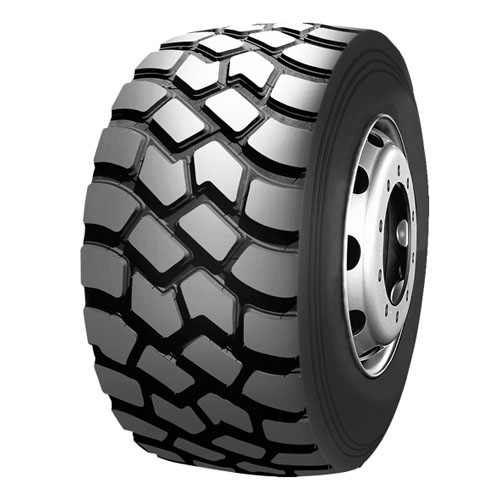
Although specific requirements vary by region and application, commercial fleets typically follow industry-standard minimums.
· Steer axle: higher safety threshold required
· Drive axle: moderate minimum requirement
· Trailer axle: standard minimum compliance level
In many markets, the legal minimum tread depth for commercial truck tires is around 1.6 mm (2/32 inch), but fleet operators often replace tires well before reaching this limit for safety and efficiency reasons.
Professional fleets often use stricter internal standards:
· Replace steer tires earlier for safety
· Rotate drive tires to maximize usage
· Monitor trailer tires for even wear
Steer tires are the most critical for vehicle control and safety.
Steer axle tires influence:
· Steering precision
· Braking stability
· Lane control
· Driver safety
Because of their role, they must maintain higher tread depth levels compared to other positions.
Fleet best practice includes:
· Frequent tread depth checks
· Early replacement before legal minimum
· Monitoring for uneven wear patterns
· Ensuring consistent left-right axle balance
· Reduced wet traction
· Increased hydroplaning risk
· Longer stopping distances
· Steering instability
LONGMARCH steer-position truck tires are designed with optimized wear patterns to maintain consistent performance throughout their service life.
Drive tires are responsible for transmitting engine power to the road surface.
Drive axle tires must deliver:
· High traction
· Strong acceleration grip
· Stability under heavy loads
· Performance in varying road conditions
Drive tires typically wear faster due to:
· Torque force
· Acceleration stress
· Variable road surfaces
Fleet operators should:
· Monitor center and shoulder wear
· Check for irregular lug wear
· Rotate tires regularly
· Replace when traction performance declines
Even if tread depth is above legal minimums, reduced traction can impact:
· Fuel efficiency
· Safety in wet or slippery conditions
· Hill-climbing performance
LONGMARCH drive tires are engineered to balance traction and wear resistance for long service life in demanding conditions.
Trailer tires support load weight and follow the tractor unit without direct power input.
Trailer axle tires are responsible for:
· Load support
· Rolling efficiency
· Stability during transport
· Fuel economy contribution
Trailer tires often wear more evenly but can be affected by:
· Misalignment
· Improper inflation
· Excessive load
· Long-distance highway operation
Recommended practices include:
· Regular depth measurement across all tires
· Checking for shoulder wear
· Ensuring uniform wear between axles
· Monitoring for stone retention damage
Because trailer tires contribute significantly to rolling resistance, maintaining proper tread depth helps:
· Improve fuel efficiency
· Reduce rolling resistance
· Extend casing life for retreading
Fleet operators should use:
· Tread depth gauges
· Digital measuring devices
· Multi-point measurement systems
To ensure accuracy:
· Check inner tread
· Check center tread
· Check outer tread
This helps identify uneven wear patterns early.
Maintaining a tire inspection log allows fleets to:
· Monitor wear trends
· Predict replacement timing
· Improve maintenance planning
Underinflation or overinflation leads to uneven tread wear and reduced tire lifespan.
Incorrect wheel alignment causes irregular wear across tread surfaces.
Exceeding load capacity accelerates tread wear and reduces safety margins.
Lack of rotation leads to uneven wear distribution across axles.
Rotating truck tires between positions helps balance wear rates.
Maintaining correct pressure ensures even tread contact with the road.
Frequent checks help detect early signs of wear or damage.
Encouraging drivers to report:
· Vibration issues
· Pulling sensations
· Unusual noise
helps identify tire problems early.
LONGMARCH designs truck tires with durability and performance stability in mind, offering:
· Optimized tread wear patterns
· Strong casing construction
· High retreadability potential
· Balanced performance across axle positions
These features help fleets achieve longer service life and more predictable tread wear behavior.
Tread depth inspection is a fundamental part of managing Truck Tires safely and efficiently. Each axle position—steer, drive, and trailer—has unique performance requirements and wear characteristics. By following proper inspection standards and maintenance practices, fleets can improve safety, reduce downtime, and extend tire lifespan.
With durable and well-engineered solutions from LONGMARCH, fleet operators can maintain consistent performance while maximizing the value and reliability of their commercial tire investments.
Previous: How Tire Size, Load Index, and Speed Rating Affect Passenger Car Tire Choice
Next: Truck Tire Sourcing Checklist for Fleet Buyers and Dealers
Copyright:@2020-2021

Comments Please sign in or sign up to post.
0
0 of 500 characters used