
Heat exchangers play a critical role in industries such as HVAC, food processing, chemical manufacturing, pharmaceuticals, and power generation. They transfer heat efficiently between fluids while keeping those fluids separated. One of the most important components ensuring this separation is the Plate Heat Exchanger Gaskets used within the system.
Choosing the right gasket is essential for maintaining performance, preventing leaks, and extending equipment lifespan. In this article, we will explore the different types of gaskets used in heat exchangers, their functions, and how to select the best option for your application.
Plate heat exchangers consist of a series of metal plates arranged to create flow channels for hot and cold fluids. Between these plates are specially designed gaskets that seal the channels and direct fluid flow.
Plate Heat Exchanger Gaskets serve several important purposes:
· Prevent fluid leakage
· Separate different media streams
· Maintain pressure integrity
· Improve thermal efficiency
· Reduce maintenance costs
Without properly functioning gaskets, a plate heat exchanger cannot operate safely or efficiently.
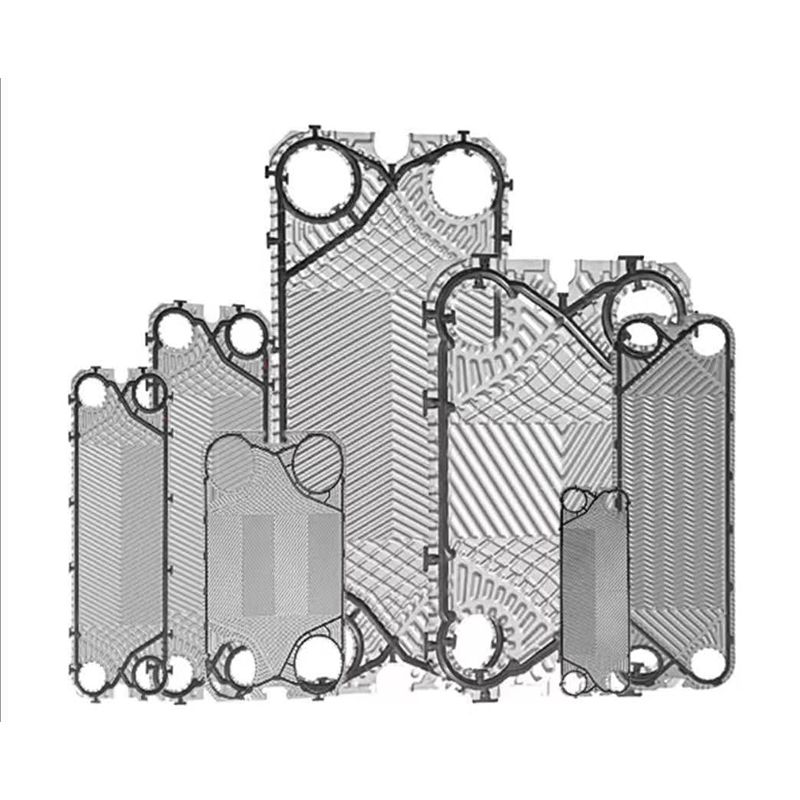
Gaskets are often considered the first line of defense against leaks and contamination. They must withstand varying temperatures, pressures, and chemical environments while maintaining a reliable seal.
A secure seal ensures that fluids flow through designated channels without mixing, maximizing heat transfer efficiency.
Durable gaskets minimize unexpected failures and maintenance interruptions.
Proper sealing prevents hazardous fluid leaks that could damage equipment or endanger workers.
Well-designed gaskets reduce wear on heat exchanger plates and supporting components.
Several gasket materials are commonly used depending on operating conditions and media compatibility.
Nitrile rubber is one of the most widely used gasket materials in plate heat exchangers.
· Excellent oil resistance
· Good mechanical strength
· Cost-effective solution
· Suitable for water and oil applications
· HVAC systems
· Lubricating oil coolers
· Industrial cooling systems
NBR gaskets are often selected when oil resistance is a primary requirement.
EPDM (Ethylene Propylene Diene Monomer) is highly resistant to heat, steam, and various chemicals.
· Excellent temperature resistance
· Superior weather resistance
· Good resistance to hot water and steam
· Long service life
· Food processing
· Beverage production
· Pharmaceutical manufacturing
· District heating systems
EPDM is commonly used when handling hot water or steam-based processes.
Viton is a premium fluorocarbon elastomer designed for demanding environments.
· Outstanding chemical resistance
· High-temperature performance
· Excellent durability
· Resistant to aggressive fluids
· Chemical plants
· Petrochemical facilities
· High-temperature industrial processes
Although more expensive, Viton gaskets provide exceptional performance in harsh conditions.
Neoprene offers balanced resistance to oils, chemicals, and environmental factors.
· Moderate chemical resistance
· Good flexibility
· Weather-resistant properties
· Cost-effective option
· Marine systems
· General industrial applications
· Water treatment facilities
In addition to material selection, gasket attachment methods are also important.
Clip-on gaskets use built-in clips that secure the gasket directly onto the plate.
· Easy installation
· Quick replacement
· Reduced maintenance time
· Improved positioning accuracy
These are widely used in modern plate heat exchangers.
Glue-on gaskets require adhesive bonding to the plate surface.
· Secure attachment
· Suitable for older equipment designs
· Reliable sealing performance
However, replacement typically requires more labor compared to clip-on systems.
Selecting the correct gasket involves evaluating several operating conditions.
Different gasket materials have different temperature tolerances.
For example:
· NBR: Suitable for moderate temperatures
· EPDM: Excellent for hot water and steam
· Viton: Ideal for high-temperature environments
The gasket material must resist degradation when exposed to process fluids.
Always verify compatibility with:
· Acids
· Alkalis
· Oils
· Solvents
· Cleaning chemicals
Higher-pressure systems require gasket materials capable of maintaining sealing integrity under stress.
Food, beverage, and pharmaceutical industries often require gasket materials that comply with hygiene and safety standards.
When sourcing replacement gaskets, quality and compatibility are critical. Hongcan specializes in manufacturing reliable Plate Heat Exchanger Gaskets designed to meet the requirements of various industrial applications.
Each gasket is engineered for accurate fit and dependable sealing performance.
Hongcan offers NBR, EPDM, Viton, and other material options to match specific operating conditions.
High-quality raw materials help ensure long service life and reduced maintenance costs.
Hongcan gaskets are designed to fit many popular plate heat exchanger brands and models.
The type of gasket used in a heat exchanger depends on factors such as temperature, pressure, fluid compatibility, and industry requirements. Common options include NBR, EPDM, Viton, and Neoprene, each offering unique advantages for specific applications.
Choosing high-quality Plate Heat Exchanger Gaskets is essential for maintaining efficiency, safety, and equipment longevity. By selecting the right material and supplier, businesses can reduce downtime and optimize heat exchanger performance. With reliable products, extensive material options, and proven manufacturing expertise, Hongcan provides dependable gasket solutions for a wide range of heat exchanger applications.
Previous: best filter cartridge for seawater desalination
Next: What Is the Difference Between Ring Gasket and FF Gasket?
Copyright:@2020-2021

Comments Please sign in or sign up to post.
0
0 of 500 characters used