
Heat exchangers are essential pieces of equipment used across industries to transfer heat efficiently between fluids. Among the many types available, the gasketed plate heat exchanger is one of the most widely used due to its flexibility, high thermal efficiency, and ease of maintenance. At the heart of this system are Plate Heat Exchanger Gaskets, which ensure leak-free operation and optimal heat transfer performance.
In this article, we will explain what a gasketed plate heat exchanger is, how it works, the role of gaskets, and why selecting high-quality gasket solutions from manufacturers like Hongcan is critical for long-term performance.
A gasketed plate heat exchanger (GPHE) consists of a series of thin metal plates arranged in a frame. These plates create channels through which hot and cold fluids flow. Heat is transferred through the metal plates without allowing the fluids to mix.
The defining feature of this type of heat exchanger is the use of Plate Heat Exchanger Gaskets, which are mounted around the plate edges and flow ports.
The plates are typically made from stainless steel, titanium, or other corrosion-resistant materials. Their corrugated design increases turbulence, improving heat transfer efficiency.
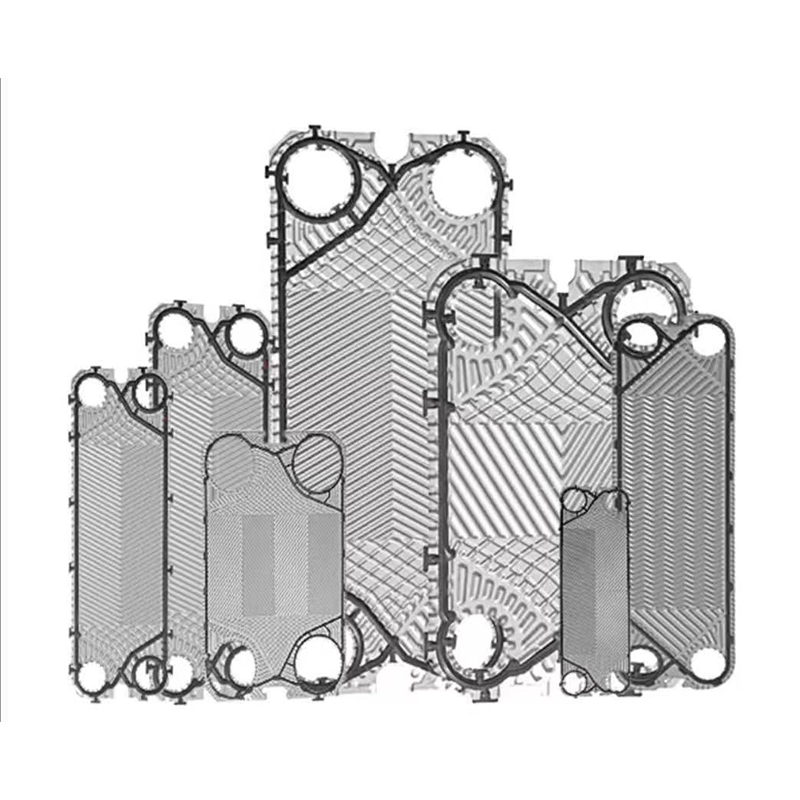
Gaskets seal the spaces between plates and direct fluid flow through alternate channels. They prevent leakage and ensure that hot and cold media remain separated.
The frame holds the plate pack together while allowing plates to be added or removed when capacity changes are needed.
The operation of a gasketed plate heat exchanger is straightforward but highly efficient.
Hot fluid enters one set of channels while cold fluid enters adjacent channels.
As fluids flow through alternating channels, heat passes through the thin metal plates from the hotter fluid to the cooler one.
After heat exchange occurs, both fluids exit the system at their respective outlet ports.
Throughout this process, Plate Heat Exchanger Gaskets ensure that the fluids remain completely separated while directing them through the correct flow paths.
Although heat transfer plates often receive the most attention, gaskets play an equally important role in system performance.
One of the primary functions of gaskets is to prevent fluid leakage between plates and to the external environment.
Gaskets guide fluids through alternating channels, maximizing heat transfer efficiency.
Properly designed gaskets maintain sealing performance under varying pressure conditions.
Effective sealing prevents contamination, corrosion, and damage to system components.
Without reliable Plate Heat Exchanger Gaskets, even the highest-quality heat exchanger cannot perform efficiently.
The popularity of gasketed plate heat exchangers comes from several significant benefits.
The thin plates and turbulent flow patterns provide excellent heat transfer rates compared to many traditional heat exchangers.
Unlike welded designs, gasketed units can be opened for inspection, cleaning, and gasket replacement.
Additional plates can often be added to increase capacity without replacing the entire unit.
These heat exchangers offer a high heat transfer surface area within a relatively small footprint.
Efficient heat transfer reduces energy consumption and operating expenses.
Choosing the correct gasket material is essential for performance and longevity.
NBR gaskets are commonly used in oil-based and general industrial applications.
· Good oil resistance
· Strong mechanical properties
· Cost-effective
EPDM is ideal for hot water, steam, and food processing applications.
· Excellent heat resistance
· Good chemical stability
· Long service life
Viton is selected for demanding chemical and high-temperature environments.
· Outstanding chemical resistance
· Excellent temperature tolerance
· Superior durability
Selecting the right material ensures that Plate Heat Exchanger Gaskets can withstand the operating conditions of the application.
These versatile systems are found in numerous industries.
Used for heating, cooling, and district energy systems.
Ideal for pasteurization, cooling, and sanitary heat transfer applications.
Provides efficient temperature control for various industrial processes.
Supports hygienic and precise thermal management.
Used for engine cooling and other heat recovery systems.
The quality of a gasket directly impacts the performance of a heat exchanger. Hongcan specializes in manufacturing premium Plate Heat Exchanger Gaskets designed to meet the demands of modern industrial operations.
Hongcan gaskets are manufactured to ensure accurate fit and dependable sealing.
Multiple elastomer options are available to match various temperatures, pressures, and chemical environments.
High-quality materials provide long service life and reduced maintenance frequency.
Hongcan gaskets are designed to fit a wide range of plate heat exchanger brands and models.
A gasketed plate heat exchanger is a highly efficient and flexible solution for transferring heat between fluids in countless industrial applications. The performance of these systems depends heavily on the quality and reliability of Plate Heat Exchanger Gaskets, which provide sealing, flow control, and leak prevention.
By selecting durable, precision-manufactured gasket solutions from Hongcan, businesses can improve heat exchanger efficiency, reduce downtime, and extend equipment lifespan. Whether used in HVAC, food processing, pharmaceuticals, or chemical production, high-quality gaskets remain a critical component of successful heat exchanger operation.
Copyright:@2020-2021

Comments Please sign in or sign up to post.
0
0 of 500 characters used