
When designing outdoor apparel or equipment, choosing the right fabric is critical to ensuring comfort, durability, and protection. One of the most common questions brands and buyers face is whether to use waterproof or water-resistant fabric. Although these terms are often used interchangeably, they describe two different levels of water protection.
Understanding the difference can help you select the right material for your outdoor gear and meet customer expectations. Partnering with an experienced waterproof fabric manufacturer like Weaver Birds ensures you receive high-performance fabrics tailored to your product's intended use.
Before sourcing materials, it's important to understand what each term means.
Water-resistant fabric is designed to repel light moisture, such as drizzle or accidental splashes. It is typically treated with a Durable Water Repellent (DWR) finish that causes water droplets to bead up and roll off the surface.
However, prolonged exposure to heavy rain or pressure can eventually allow water to penetrate the fabric.
Common applications include:
· Lightweight windbreakers
· Casual outdoor jackets
· Travel apparel
· Everyday backpacks
· Softshell garments
Water-resistant fabrics are ideal for mild weather conditions where complete waterproof protection is not required.
Waterproof fabric provides a much higher level of protection by preventing water from penetrating the material, even during heavy rain or snow.
This performance is achieved through technologies such as:
· Waterproof membranes
· Polyurethane (PU) coatings
· Thermoplastic polyurethane (TPU) laminations
· Multi-layer fabric constructions
· Seam sealing
Waterproof fabrics are commonly used in:
· Rain jackets
· Ski wear
· Mountaineering apparel
· Fishing gear
· Outdoor tents
· Waterproof backpacks
A professional waterproof fabric manufacturer ensures these fabrics maintain both water protection and long-term durability.
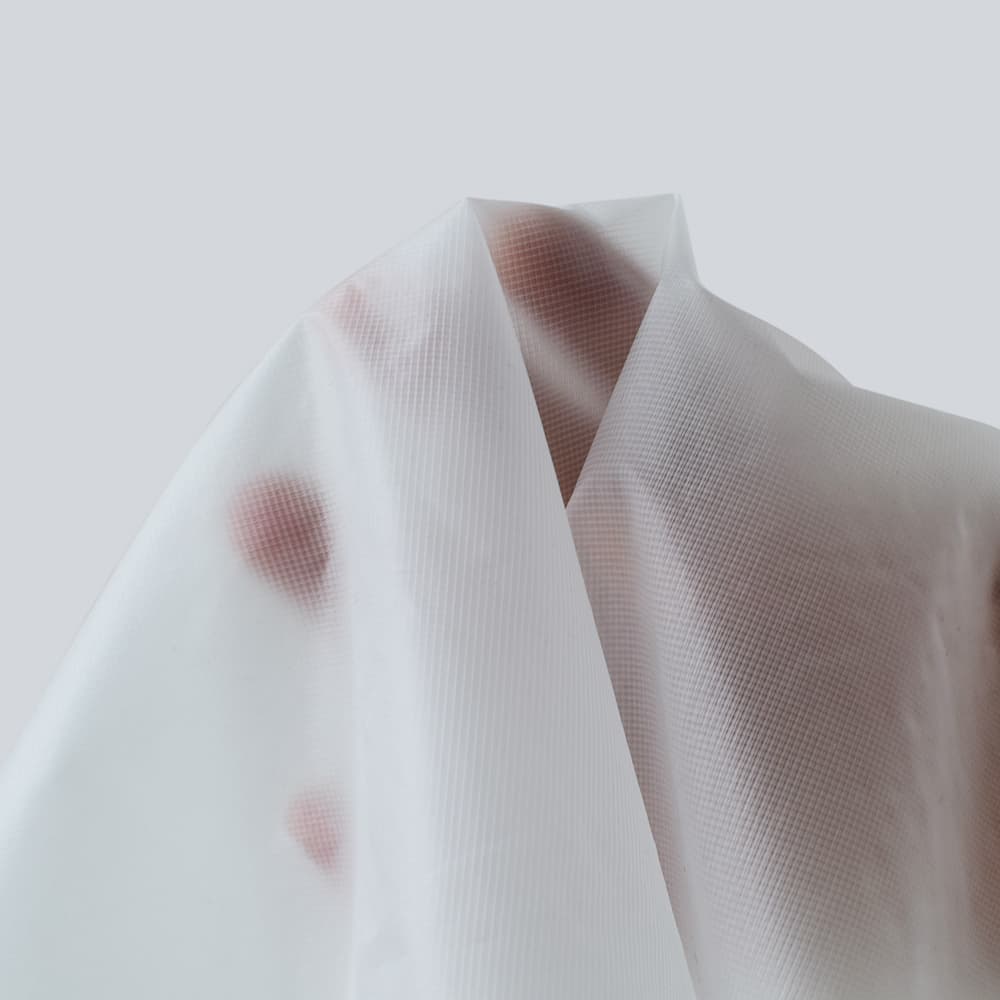
Water-resistant fabrics protect against light rain and moisture but may leak during prolonged exposure.
Waterproof fabrics create a reliable barrier against heavy rainfall, snow, and wet environments.
Many modern waterproof fabrics incorporate breathable membranes that allow moisture vapor to escape while blocking water from entering.
Water-resistant fabrics are often naturally breathable because they rely on surface treatments rather than waterproof barriers.
Selecting the right balance between waterproofing and breathability is essential for wearer comfort.
Water-resistant fabrics are generally lighter and more flexible, making them suitable for active lifestyles and travel.
Waterproof fabrics may be slightly heavier due to additional membranes or coatings, although advances in textile technology have significantly reduced this difference.
Waterproof fabrics usually require more complex manufacturing processes and advanced materials, making them more expensive than water-resistant alternatives.
Brands should balance performance requirements with target market pricing when selecting fabrics.
Water-resistant fabrics are an excellent choice when lightweight comfort and everyday practicality are the priority.
Ideal applications include:
Commuters and travelers often encounter light rain rather than extreme weather, making water-resistant jackets a practical solution.
Running jackets and cycling apparel benefit from lightweight fabrics that repel moisture while maintaining excellent breathability.
For warmer seasons, water-resistant fabrics provide enough protection without sacrificing comfort or ventilation.
Waterproof fabrics are essential for products designed to perform in challenging weather conditions.
Mountain environments often experience sudden weather changes. Waterproof outerwear helps hikers stay dry and comfortable throughout their journey.
Snow exposure requires fabrics that prevent moisture penetration while retaining warmth and breathability.
Fishing apparel frequently encounters rain, waves, and splashing water. Waterproof fabrics provide dependable protection during long hours outdoors.
Construction workers, utility crews, and emergency responders often require waterproof garments that remain effective throughout demanding work shifts.
Choosing between waterproof and water-resistant fabrics should also involve evaluating other performance characteristics.
Highly breathable fabrics improve comfort by allowing perspiration to escape during physical activity.
Outdoor garments often combine waterproof protection with windproof performance to reduce heat loss in cold conditions.
Adding stretch fibers enhances mobility without compromising weather protection.
This feature is especially valuable for climbing, hiking, and athletic apparel.
Outdoor fabrics should resist abrasion, tearing, and repeated washing while maintaining their protective properties.
An experienced waterproof fabric manufacturer can recommend constructions that balance strength with comfort.
Selecting the right fabric requires technical expertise, testing capabilities, and reliable manufacturing processes.
A trusted manufacturer should provide:
Custom waterproof fabrics can be engineered to meet specific requirements for weight, waterproof rating, breathability, and durability.
Reliable manufacturers perform rigorous testing for:
· Waterproof performance
· Breathability
· Tear strength
· Abrasion resistance
· Color fastness
· Stretch recovery
These tests ensure consistent product quality across production batches.
Every apparel brand has unique design goals.
Professional manufacturers can customize:
· Fabric construction
· Waterproof coatings
· Membrane technologies
· Surface finishes
· Colors and patterns
· Sustainable material options
Weaver Birds is a trusted waterproof fabric manufacturer specializing in high-performance textiles for outdoor apparel, sportswear, workwear, and technical garments.
With years of experience in textile innovation, Weaver Birds offers:
· Waterproof and breathable fabric solutions
· Water-resistant performance fabrics
· Durable laminated textile systems
· Moisture-wicking and quick-dry materials
· Stretch woven and knitted fabrics
· Sustainable recycled textile options
· Custom fabric development
· Strict quality control and laboratory testing
· Reliable global production and delivery
By combining advanced manufacturing technology with customer-focused product development, Weaver Birds helps brands create outdoor gear that performs reliably in every environment.
Both waterproof and water-resistant fabrics play valuable roles in outdoor apparel, but the right choice depends on the intended application. Water-resistant fabrics are ideal for lightweight everyday use and mild weather, while waterproof fabrics provide superior protection for harsh outdoor conditions and professional applications.
Partnering with an experienced waterproof fabric manufacturer like Weaver Birds gives your brand access to innovative textile technologies, customized solutions, and consistent manufacturing quality. Whether you're developing hiking jackets, rainwear, or technical outdoor gear, selecting the right fabric will enhance product performance, improve customer satisfaction, and strengthen your competitive advantage.
Previous: Waterproof vs Breathable Mesh Tent Fabric: Pros and Cons Compared
Next: How to Choose the Right Functional Fabric for Your Outdoor Apparel Line
Copyright:@2020-2021

Comments Please sign in or sign up to post.
0
0 of 500 characters used