
Selecting the right tent fabric is one of the most important decisions for outdoor equipment manufacturers and buyers. While waterproof fabrics protect users from rain and moisture, breathable mesh fabrics maximize ventilation and comfort. Understanding the strengths and limitations of each material helps brands develop tents that perform well in different climates and camping scenarios.
For outdoor brands sourcing high-quality materials, partnering with an experienced waterproof tent fabric manufacturer is essential. Tianruide specializes in manufacturing premium waterproof fabrics, breathable mesh fabrics, and customized textile solutions for camping tents, shelters, and outdoor equipment that meet international quality standards.
The fabric determines how well a tent performs under various environmental conditions. A poor material choice can lead to water leakage, excessive condensation, poor ventilation, or reduced durability.
Choosing the appropriate fabric offers several benefits:
· Improved weather protection
· Better user comfort
· Enhanced durability
· Longer product lifespan
· Reduced maintenance
· Higher customer satisfaction
Rather than choosing one material over the other, many modern tents combine waterproof fabrics with breathable mesh panels to achieve optimal performance.
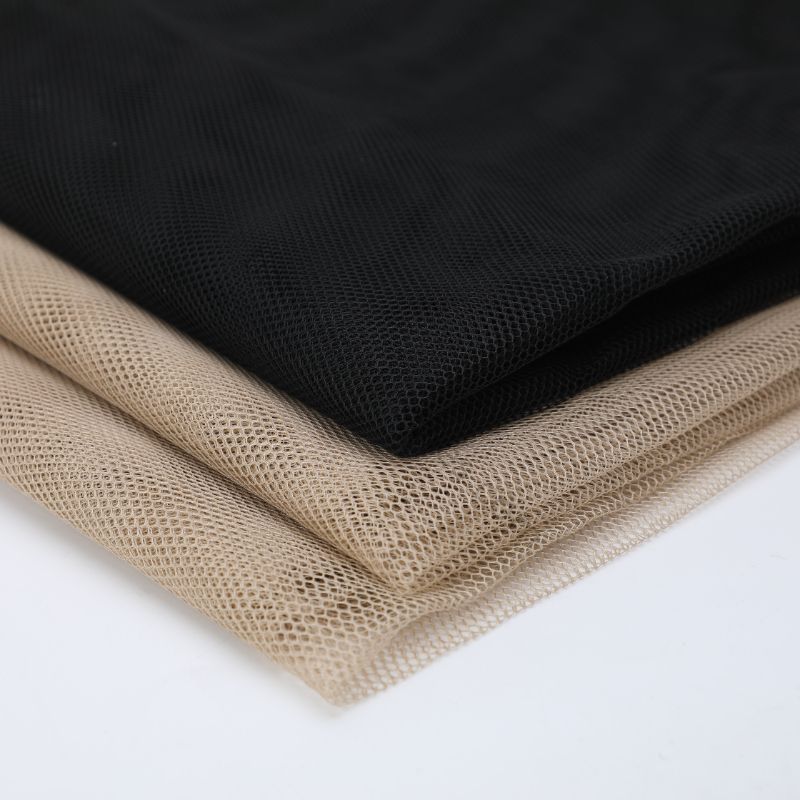
Waterproof tent fabric is designed to prevent rain and moisture from penetrating the tent while maintaining structural integrity in harsh weather.
A professional waterproof tent fabric manufacturer typically produces fabrics using polyester or nylon coated with protective waterproof layers.
Popular waterproof coatings include:
· Polyurethane (PU)
· Silicone
· PVC
· TPU (Thermoplastic Polyurethane)
Each coating offers different levels of waterproof performance, flexibility, and durability.
The primary advantage is its ability to prevent water penetration during heavy rainfall.
High-quality waterproof fabrics help campers stay dry even in challenging weather conditions.
Waterproof fabrics generally feature tightly woven constructions that also improve wind resistance.
This increases tent stability during storms.
Premium coated fabrics resist:
· Water absorption
· UV degradation
· Abrasion
· Dirt accumulation
Proper maintenance further extends their lifespan.
Waterproof fabrics often have greater dimensional stability, helping tents maintain their shape under varying weather conditions.
Despite their advantages, waterproof materials also have some limitations.
Waterproof coatings can restrict airflow, causing moisture from occupants to accumulate inside the tent.
This may result in:
· Condensation
· Increased humidity
· Reduced sleeping comfort
Some waterproof coatings increase overall fabric weight, which may not be ideal for ultralight backpacking tents.
Advanced waterproof technologies generally increase manufacturing costs compared with standard mesh fabrics.
Breathable mesh fabric is an open-weave textile designed to maximize airflow while preventing insects from entering the tent.
It is commonly used for:
· Tent doors
· Windows
· Roof vents
· Inner tents
· Camping mosquito nets
Many outdoor brands source these materials from a specialized waterproof tent fabric manufacturer that also produces high-performance mesh fabrics.
Mesh fabric allows continuous air circulation throughout the tent.
Benefits include:
· Cooler interior temperatures
· Improved comfort
· Better sleeping conditions
By allowing moisture to escape, mesh fabrics significantly reduce condensation inside the tent.
This helps keep sleeping bags and equipment dry.
Mesh fabrics are extremely lightweight, making them ideal for:
· Backpacking tents
· Hiking shelters
· Ultralight camping gear
Mesh panels provide clear outward visibility while maintaining insect protection.
Campers can enjoy fresh air and scenic views without exposure to mosquitoes.
Mesh fabrics also have certain limitations.
Mesh alone cannot block:
· Rain
· Wind
· Snow
· Dust
It must be combined with waterproof rainflies or outer tent fabrics.
Open-weave construction allows heat to escape quickly.
Mesh-heavy tents may be less suitable for cold-weather camping.
Transparent mesh panels provide less visual privacy than solid tent fabrics.
Waterproof fabrics offer superior protection against rain, wind, and moisture.
Mesh fabrics are designed primarily for ventilation rather than weather protection.
Mesh fabrics provide better airflow and minimize condensation, making them more comfortable in warm climates.
Waterproof fabrics offer greater protection during storms but may reduce ventilation if used alone.
Both materials can provide excellent durability when manufactured using premium fibers and advanced production techniques.
Performance depends on fabric quality, coatings, and construction methods.
Waterproof fabrics are ideal for:
· Tent rainflies
· Tent floors
· Outdoor shelters
· Expedition tents
Breathable mesh fabrics are best suited for:
· Inner tents
· Ventilation panels
· Mosquito nets
· Tent windows
Selecting the best material depends on several factors.
For regions with frequent rainfall, waterproof fabrics are essential.
Hot and humid environments benefit from larger mesh ventilation areas.
Different outdoor activities require different fabric combinations.
Examples include:
· Family camping
· Backpacking
· Mountaineering
· Glamping
· Emergency shelters
Premium tents often combine advanced waterproof fabrics with strategically placed breathable mesh panels to maximize both protection and comfort.
Tianruide is a trusted waterproof tent fabric manufacturer supplying high-performance outdoor textiles to customers worldwide. The company specializes in waterproof coated fabrics, breathable mesh materials, tent fabrics, shelter textiles, and customized OEM solutions for outdoor equipment manufacturers.
Using advanced coating technologies, precision weaving equipment, and strict quality control systems, Tianruide produces fabrics with outstanding waterproof performance, excellent breathability, UV resistance, tear strength, and long-term durability. Customized colors, coatings, weights, and fabric specifications are available to meet the unique requirements of global outdoor brands.
Waterproof and breathable mesh fabrics each play an essential role in modern tent design. Waterproof fabrics provide reliable protection against rain, wind, and harsh weather, while breathable mesh fabrics enhance ventilation, reduce condensation, and improve overall comfort. Rather than competing, these materials work best together to create high-performance camping shelters suitable for a wide range of outdoor conditions.
By partnering with an experienced waterproof tent fabric manufacturer like Tianruide, outdoor brands can source premium materials that combine durability, weather resistance, and user comfort, resulting in tents that meet the expectations of today's global camping and adventure market.
Previous: None.
Next: Softshell vs Hardshell: Weight, Breathability and Packability Compared
Copyright:@2020-2021

Comments Please sign in or sign up to post.
0
0 of 500 characters used